THE ADVENTURE COLLECTIVE® · Independent discovery and booking for outdoor travel

A brisk day hike from Kathmandu into Shivapuri National Park that ends at Nagi Gumba monastery. Expect forest climbs, valley views, simple monastery life, and steady, uneven trails.
A brisk day hike from Kathmandu into Shivapuri National Park that ends at Nagi Gumba monastery. Expect forest climbs, valley views, simple monastery life, and steady, uneven trails.
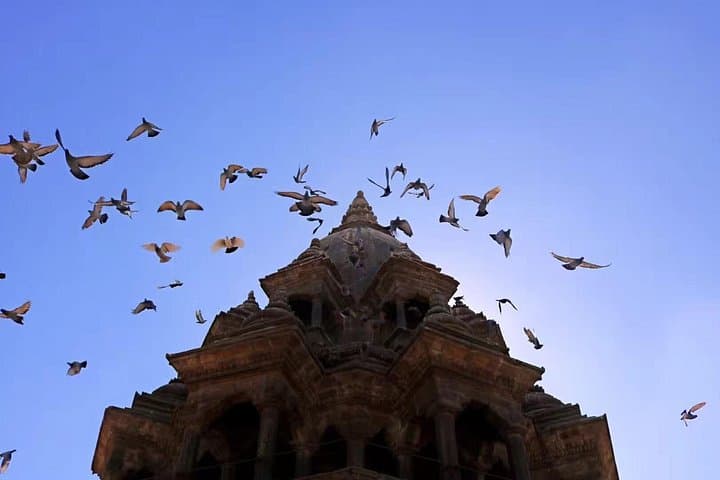
Morning light pins the old city behind you and the ridge ahead rises in green. The drive out of Thamel slips past Hindu shrines and small farms, then the road narrows at Budanilkantha and the trees begin to close in. You climb through subtropical forest, leaves whispering as you gain the Shivapuri flank; the trail pushes you forward and the city’s noise falls away.
Verified experiences and guided adventures in the surrounding area.
Operated by Adventure Vision Treks and Travels · Kathmandu, Bagmati Province
Morning light pins the old city behind you and the ridge ahead rises in green. The drive out of Thamel slips past Hindu shrines and small farms, then the road narrows at Budanilkantha and the trees begin to close in. You climb through subtropical forest, leaves whispering as you gain the Shivapuri flank; the trail pushes you forward and the city’s noise falls away.
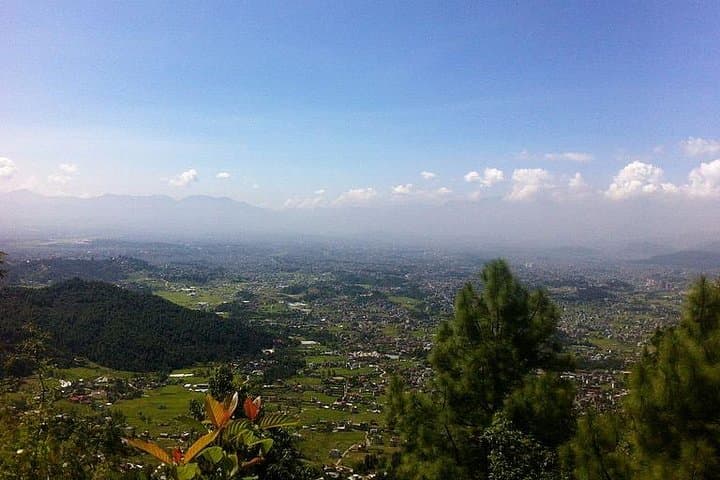
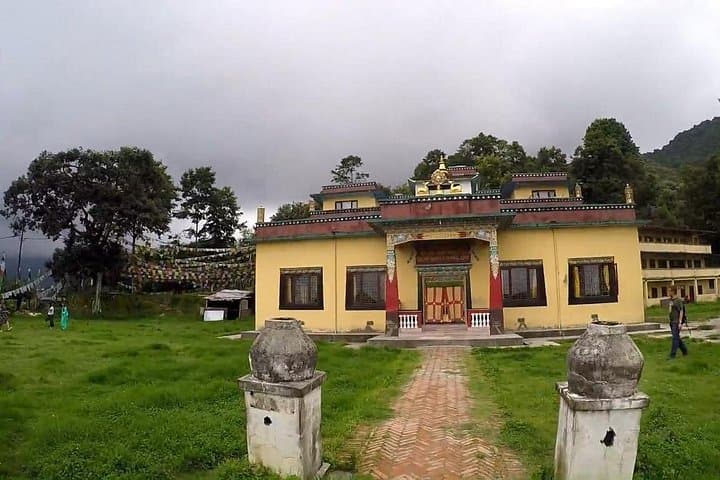
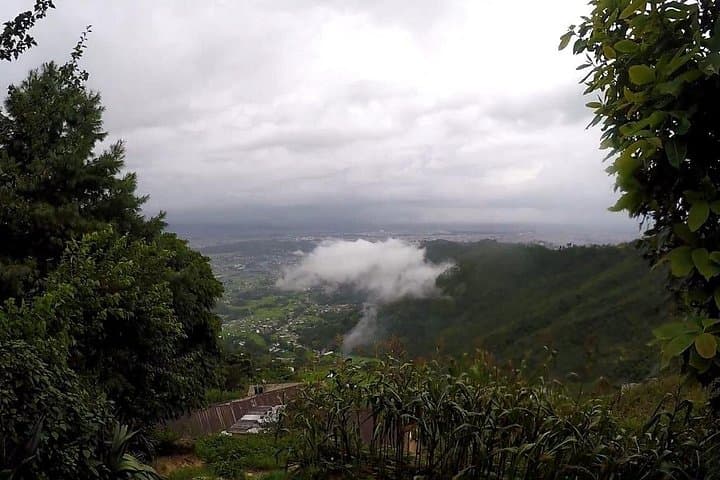
Shivapuri is part of a protected watershed that feeds Kathmandu and has long been a pilgrimage corridor. Geologically it’s a folded ridge of the Lesser Himalaya—steep, with rocky outcrops and soil that supports dense rhododendron and oak. Nagi Gumba, a hillside Tibetan Buddhist monastery, offers a quiet cultural finish: prayer flags, butter lamps, and views back toward the Kathmandu Valley.
Expect birdsong and the occasional macaque; the trail alternates packed earth, stone steps, and short steep pitches. The hike is popular for half-day visitors and locals, so you’ll often meet farmers and monks along the way. Local guides explain temple history and point out watershed conservation efforts that protect springs downstream.
Practical note: wear sturdy shoes with grip, carry 1–2 liters of water, and plan for rapid weather change—fog and wind can arrive from the ridge. Morning starts give the best light and easier ascents; afternoons are better for those who prefer a gentler pace returning to Kathmandu. The route is straightforward but uneven, making steady footing more important than speed.
moderate.
5–7 hours.
Moderate fitness: comfortable with 1.5–3 hours of steady uphill walking and some stairs.
The uphill section typically takes 1.5–3 hours depending on pace and starting point; the full outing including transport and visits is 5–7 hours.
Yes—park entry and environmental management fees apply; many tours include these charges in the price.
Nagi Gumba sits at modest elevation above Kathmandu; most travelers do not experience altitude sickness, but pace yourself and stay hydrated.
Standard tour inclusions often cover hotel pickup/drop-off, guide, bottled water, lunch, and park fees—confirm with the operator before booking.
Shivapuri’s ridges and springs have been used for local pilgrimage and water supply for centuries; Nagi Gumba is a modern Tibetan Buddhist monastery that serves the local spiritual community.
Shivapuri is a protected watershed—stay on marked trails and carry out waste; park fees fund trail upkeep and water-source protection.
Adventure Vision Treks and Travels operates guided outdoor trips and adventures with an emphasis on safety, stewardship, and memorable experiences.
Morning light pins the old city behind you and the ridge ahead rises in green. The drive out of Thamel slips past Hindu shrines and small farms, then the road narrows at Budanilkantha and the trees begin to close in. You climb through subtropical forest, leaves whispering as you gain the Shivapuri flank; the trail pushes you forward and the city’s noise falls away.
Morning light pins the old city behind you and the ridge ahead rises in green. The drive out of Thamel slips past Hindu shrines and small farms, then the road narrows at Budanilkantha and the trees begin to close in. You climb through subtropical forest, leaves whispering as you gain the Shivapuri flank; the trail pushes you forward and the city’s noise falls away.
Shivapuri is part of a protected watershed that feeds Kathmandu and has long been a pilgrimage corridor. Geologically it’s a folded ridge of the Lesser Himalaya—steep, with rocky outcrops and soil that supports dense rhododendron and oak. Nagi Gumba, a hillside Tibetan Buddhist monastery, offers a quiet cultural finish: prayer flags, butter lamps, and views back toward the Kathmandu Valley.
Expect birdsong and the occasional macaque; the trail alternates packed earth, stone steps, and short steep pitches. The hike is popular for half-day visitors and locals, so you’ll often meet farmers and monks along the way. Local guides explain temple history and point out watershed conservation efforts that protect springs downstream.
Practical note: wear sturdy shoes with grip, carry 1–2 liters of water, and plan for rapid weather change—fog and wind can arrive from the ridge. Morning starts give the best light and easier ascents; afternoons are better for those who prefer a gentler pace returning to Kathmandu. The route is straightforward but uneven, making steady footing more important than speed.