THE ADVENTURE COLLECTIVE® · Independent discovery and booking for outdoor travel

A forested day-hike north of Kathmandu that climbs to Shivapuri’s ridge, passes the Bagmati headwaters and offers wide valley views. Expect pine and rhododendron forests, cultural shrines, and variable mountain weather—ideal for a full-day, moderately paced outing.
A forested day-hike north of Kathmandu that climbs to Shivapuri’s ridge, passes the Bagmati headwaters and offers wide valley views. Expect pine and rhododendron forests, cultural shrines, and variable mountain weather—ideal for a full-day, moderately paced outing.
You step off the road north of Kathmandu and the city’s noise thins into pine needles and birdsong; the trail angles up through a mix of chir pine, rhododendron and oak, and the air cools as the valley shrinks below.
Verified experiences and guided adventures in the surrounding area.
Operated by Osho world Adventure · Kathmandu, Bagmati Province
You step off the road north of Kathmandu and the city’s noise thins into pine needles and birdsong; the trail angles up through a mix of chir pine, rhododendron and oak, and the air cools as the valley shrinks below.
Shivapuri is the second-highest ridge ringing Kathmandu (peak about 2,563–2,700 m on tour descriptions) and an old watershed: the holy Bagmati springs here and begins its run past Pashupatinath. Geologically the ridge is part of the Lesser Himalaya—steep slopes of folded sedimentary and metamorphic rock that give way to soil deep enough to hold dense forest cover.
Culturally the park is threaded with small gompas and pilgrimage sites; local pilgrims and shepherds have used these paths for generations, and you’ll pass water shrines and simple shrines carved into rocks.
Expect varied terrain: singletrack, stone staircases, occasional muddy sections and open ridgelines with sweeping views of the Kathmandu basin and distant snow ranges on a clear day. Wildlife is present but elusive—leopard and bear are recorded here, while birds dominate the soundtrack.
Practical guidance: start early to avoid afternoon clouds, carry layered rain protection, and allow 6–12 hours depending on route and pace (many guided options include pickup from Kathmandu). Hydrate and bring snacks—the park has protected areas, so pack out waste. Navigation is straightforward on popular routes, but a local guide or map keeps timing and cultural stops efficient.
This is a day of steady climbing rewarded by cool forest shelter, river headwaters, and ridge-top perspectives that put the valley in sharp relief.
moderate.
8–12 hours.
Good aerobic fitness for steady uphill walking and sustained full-day hiking; comfortable with 800–1,200 m cumulative elevation gain.
Guided options vary; most day hikes run 6–12 hours including transfers and stops—expect several hours of steady uphill walking.
Yes—park entry fees apply and are usually handled by tour operators for guided hikes; independent hikers should check current fees at the park entrance.
Wild animals like leopard and bear exist but sightings are rare; avoid hiking alone after dusk and follow local guide advice.
Fit beginners can manage the route with frequent breaks and a moderate pace; consider hiring a guide to manage navigation and timing.
The ridge has long been a buffer of forest north of Kathmandu with pilgrimage routes and local grazing; the park was established to protect watershed and biodiversity.
Shivapuri is critical for Kathmandu’s water supply—stay on trails, pack out garbage, and avoid disturbing springs and wildlife to minimize impact.
Osho world Adventure operates guided outdoor trips and adventures with an emphasis on safety, stewardship, and memorable experiences.
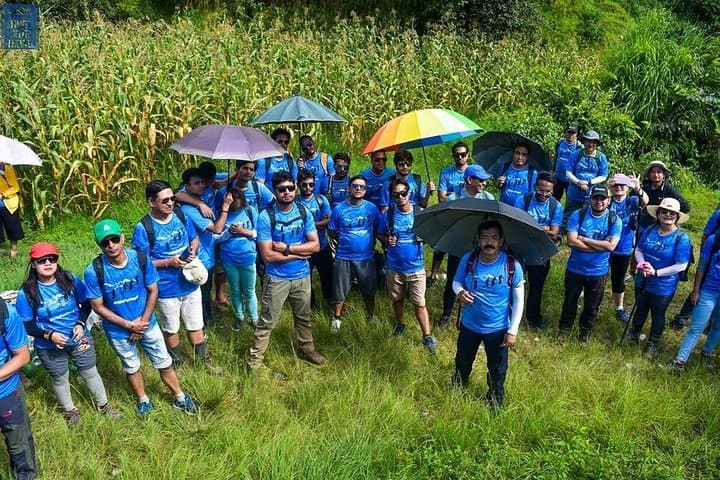
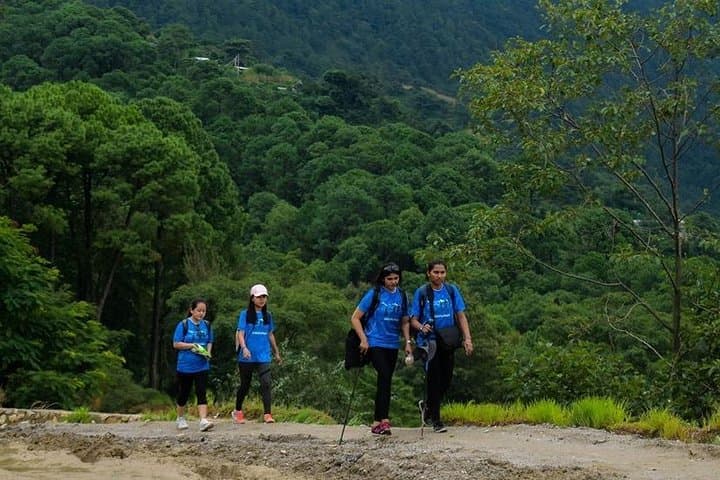
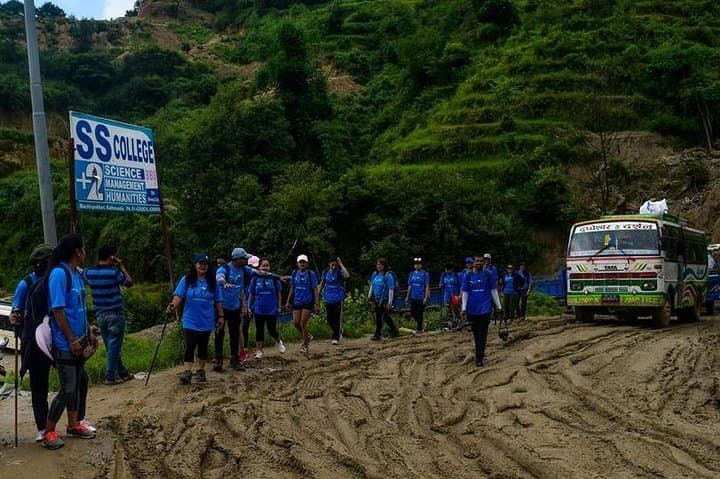
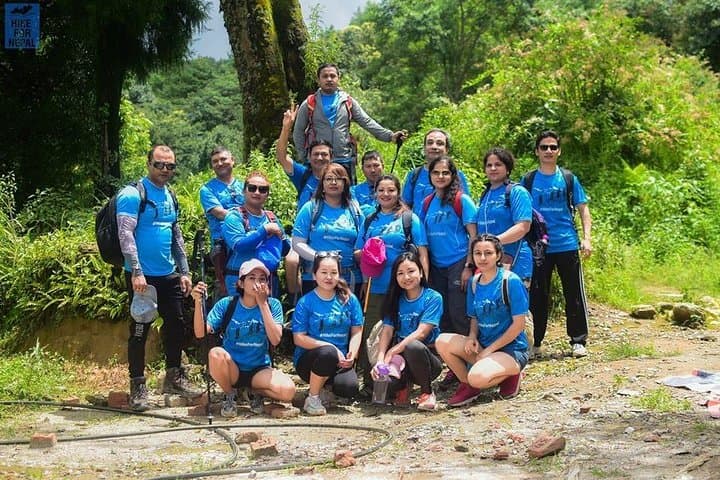
You step off the road north of Kathmandu and the city’s noise thins into pine needles and birdsong; the trail angles up through a mix of chir pine, rhododendron and oak, and the air cools as the valley shrinks below.
You step off the road north of Kathmandu and the city’s noise thins into pine needles and birdsong; the trail angles up through a mix of chir pine, rhododendron and oak, and the air cools as the valley shrinks below.
Shivapuri is the second-highest ridge ringing Kathmandu (peak about 2,563–2,700 m on tour descriptions) and an old watershed: the holy Bagmati springs here and begins its run past Pashupatinath. Geologically the ridge is part of the Lesser Himalaya—steep slopes of folded sedimentary and metamorphic rock that give way to soil deep enough to hold dense forest cover.
Culturally the park is threaded with small gompas and pilgrimage sites; local pilgrims and shepherds have used these paths for generations, and you’ll pass water shrines and simple shrines carved into rocks.
Expect varied terrain: singletrack, stone staircases, occasional muddy sections and open ridgelines with sweeping views of the Kathmandu basin and distant snow ranges on a clear day. Wildlife is present but elusive—leopard and bear are recorded here, while birds dominate the soundtrack.
Practical guidance: start early to avoid afternoon clouds, carry layered rain protection, and allow 6–12 hours depending on route and pace (many guided options include pickup from Kathmandu). Hydrate and bring snacks—the park has protected areas, so pack out waste. Navigation is straightforward on popular routes, but a local guide or map keeps timing and cultural stops efficient.
This is a day of steady climbing rewarded by cool forest shelter, river headwaters, and ridge-top perspectives that put the valley in sharp relief.