THE ADVENTURE COLLECTIVE® · Independent discovery and booking for outdoor travel

A 5–6 hour day hike above Kathmandu that climbs to 2,535 m through mixed alpine forest, monastery sites, and viewpoints of the Central Himalaya. Expect cool shade, clear skyline vistas on good weather days, and cultural stops at Buddhanilkantha and Nagi Gompa.
A 5–6 hour day hike above Kathmandu that climbs to 2,535 m through mixed alpine forest, monastery sites, and viewpoints of the Central Himalaya. Expect cool shade, clear skyline vistas on good weather days, and cultural stops at Buddhanilkantha and Nagi Gompa.
You step out of the jeep at a small gate and the city thins behind you—air cools, pine needles snap underfoot, and the ridge ahead dares you to climb. The trail rises through layered forest, rhododendron and oak forming a green corridor that opens, after a steady climb, to sweeping views of the Kathmandu Valley and the white teeth of the Central Himalaya.
Verified experiences and guided adventures in the surrounding area.
Operated by Transport Hub Nepal · Kathmandu, Bagmati Province
You step out of the jeep at a small gate and the city thins behind you—air cools, pine needles snap underfoot, and the ridge ahead dares you to climb. The trail rises through layered forest, rhododendron and oak forming a green corridor that opens, after a steady climb, to sweeping views of the Kathmandu Valley and the white teeth of the Central Himalaya.
Shivapuri sits on Kathmandu’s northern rim at about 2,535 m, part of the protected watershed that supplies the city. The route threads sacred sites—Buddhanilkantha’s reclining Vishnu and the quiet Nagi Gompa where nuns keep a steady rhythm of prayer—connecting cultural touchpoints with high-mountain panoramas. Geologically the ridge is a fold of the Lesser Himalaya; the landscape alternates weighty granite outcrops with loose scree and well-worn clay paths.
Expect songbirds and occasional magpies to flit in the understory; on clear days Manaslu, Ganesh, Langtang and the Jugal Himal stack on the horizon like a layered map. The summit hosts a small Shiva shrine and simple huts—places to pause and watch clouds shape-shift across peaks.
Practically: plan 5–6 hours round-trip depending on your start point, and allow for roughly 800–1,200 m of ascent from valley trailheads. Wear sturdy boots with good grip for wet roots and occasional loose rock, carry 1.5–2 liters of water, a warm midlayer, and cash for the park gate. Start early for the best light and clearest air; if visiting during monsoon, expect muddy sections and reduced views. Respect monastery etiquette, pack out all waste, and give wildlife space—Shivapuri is both a cultural route and a working watershed.
moderate.
5–6 hours.
Reasonable cardiovascular fitness and comfort with sustained uphill walking; occasional steep pitches require steady legs.
The trail is suitable for active beginners with good hiking shoes and steady pace; expect sustained climbing but no technical scrambling.
There is an entrance fee managed at park gates and sometimes local checkpoints—carry cash and an ID; organized tours often include the fee.
Autumn (Sept–Nov) and spring (Mar–May) offer the clearest views and comfortable temperatures; monsoon months bring lush forest but more mud and limited visibility.
Basic tea houses and occasional vendors exist near trailheads and at villages like Narayanthan; carry your own water for the hike portion between stops.
Shivapuri has long been a protected watershed and cultural boundary for Kathmandu; its trails link Hindu and Buddhist sacred sites frequented by pilgrims and local villagers.
The park protects critical water catchments for Kathmandu; hikers should stick to trails, avoid single-use plastics, and carry out all trash to minimize erosion and pollution.
Transport Hub Nepal operates guided outdoor trips and adventures with an emphasis on safety, stewardship, and memorable experiences.
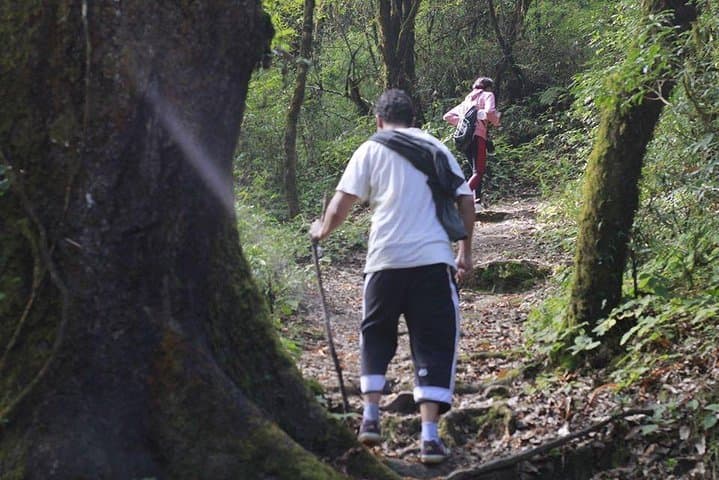
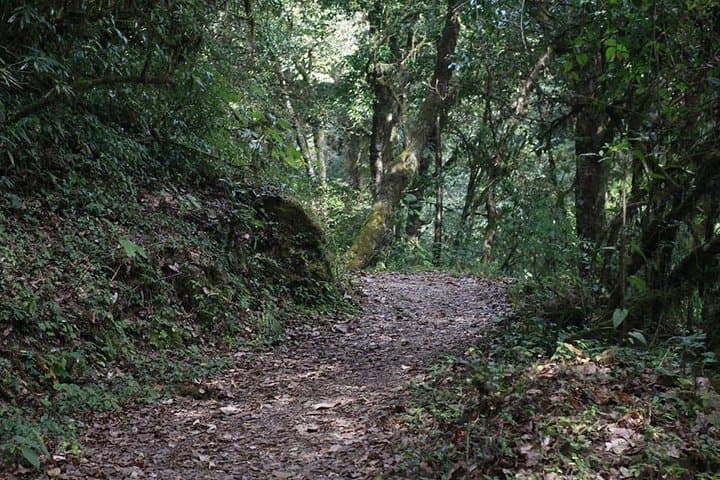
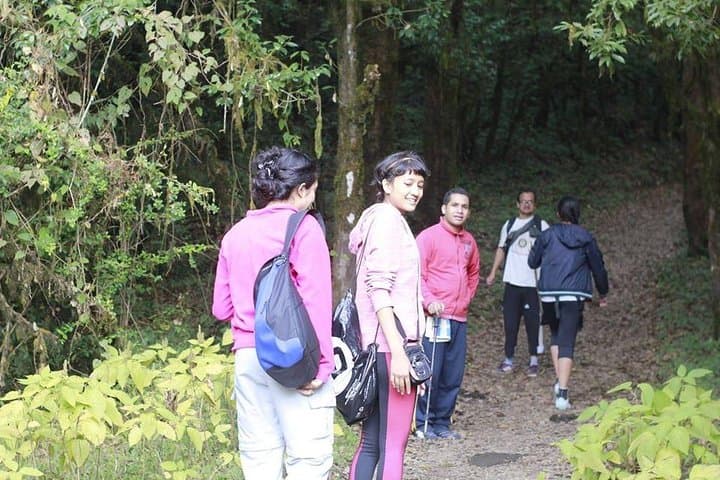
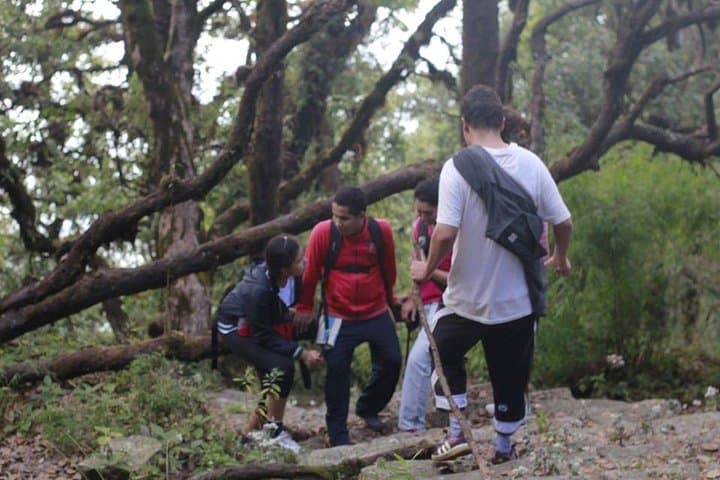
You step out of the jeep at a small gate and the city thins behind you—air cools, pine needles snap underfoot, and the ridge ahead dares you to climb. The trail rises through layered forest, rhododendron and oak forming a green corridor that opens, after a steady climb, to sweeping views of the Kathmandu Valley and the white teeth of the Central Himalaya.
You step out of the jeep at a small gate and the city thins behind you—air cools, pine needles snap underfoot, and the ridge ahead dares you to climb. The trail rises through layered forest, rhododendron and oak forming a green corridor that opens, after a steady climb, to sweeping views of the Kathmandu Valley and the white teeth of the Central Himalaya.
Shivapuri sits on Kathmandu’s northern rim at about 2,535 m, part of the protected watershed that supplies the city. The route threads sacred sites—Buddhanilkantha’s reclining Vishnu and the quiet Nagi Gompa where nuns keep a steady rhythm of prayer—connecting cultural touchpoints with high-mountain panoramas. Geologically the ridge is a fold of the Lesser Himalaya; the landscape alternates weighty granite outcrops with loose scree and well-worn clay paths.
Expect songbirds and occasional magpies to flit in the understory; on clear days Manaslu, Ganesh, Langtang and the Jugal Himal stack on the horizon like a layered map. The summit hosts a small Shiva shrine and simple huts—places to pause and watch clouds shape-shift across peaks.
Practically: plan 5–6 hours round-trip depending on your start point, and allow for roughly 800–1,200 m of ascent from valley trailheads. Wear sturdy boots with good grip for wet roots and occasional loose rock, carry 1.5–2 liters of water, a warm midlayer, and cash for the park gate. Start early for the best light and clearest air; if visiting during monsoon, expect muddy sections and reduced views. Respect monastery etiquette, pack out all waste, and give wildlife space—Shivapuri is both a cultural route and a working watershed.