THE ADVENTURE COLLECTIVE® · Independent discovery and booking for outdoor travel

A full-day hike along Shivapuri’s northern ridge delivers sweeping Kathmandu Valley views, hillside waterfalls, and a peaceful gompa on the skyline. This route—Panimuhan to Nagi Gumba then down to Sundarijal—is an accessible day out for travelers who want highland forest, history, and panoramic photography without overnight gear.
A full-day hike along Shivapuri’s northern ridge delivers sweeping Kathmandu Valley views, hillside waterfalls, and a peaceful gompa on the skyline. This route—Panimuhan to Nagi Gumba then down to Sundarijal—is an accessible day out for travelers who want highland forest, history, and panoramic photography without overnight gear.
You start before dawn in Kathmandu, the city lights fading behind you as the van threads uphill toward Panimuhan. By the time you step out, the air has a cold, clear edge; rhododendron buds and pine needles perfume the slope. The trail pushes into a dense stand of oak and fir and, after a steady climb, opens onto Nagi Gumba — a Buddhist gompa that perches on the ridge and angles the whole Kathmandu Valley into view.
Verified experiences and guided adventures in the surrounding area.
Operated by Adventure Vision Treks and Travels · Kathmandu, Bagmati Province
You start before dawn in Kathmandu, the city lights fading behind you as the van threads uphill toward Panimuhan. By the time you step out, the air has a cold, clear edge; rhododendron buds and pine needles perfume the slope. The trail pushes into a dense stand of oak and fir and, after a steady climb, opens onto Nagi Gumba — a Buddhist gompa that perches on the ridge and angles the whole Kathmandu Valley into view.
The hike is a compact lesson in the region’s geology and cultural layering. Shivapuri is the northern rim of the valley, carved by ancient river systems and uplifted by the collision of the Indian and Eurasian plates. The trail follows old shepherd paths and pilgrim routes; prayer flags at Nagi Gumba mark centuries of local devotion, while the rock outcrops around Tare Bhir show exposed sedimentary layers that slope toward the valley like pages flipped over by an impatient hand.
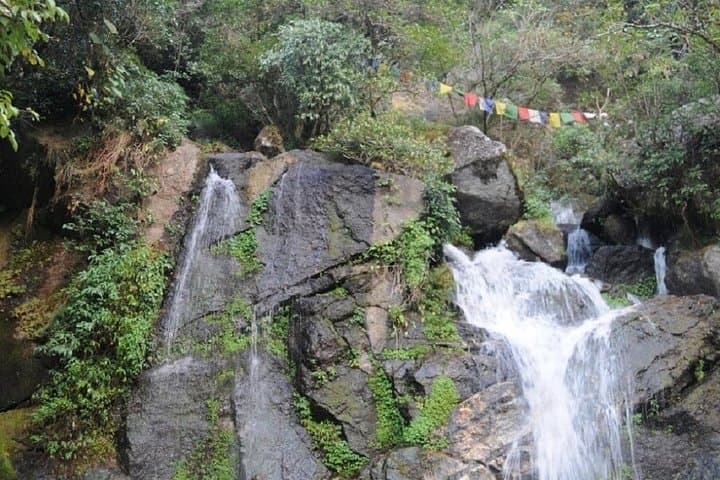
Wildlife here is quiet but present. Birdsong punctuates the ascent — warblers and flycatchers that chase one another through the canopy — and streams tumble down cliffs in sharp, obvious splashes that dare you to follow. Local guides know where small waterfalls collect in deep bowls and where the best viewpoints avoid the tourist crowds that gather at mid-morning.
Practical planning keeps this day from feeling rushed. The route most operators use starts at Panimuhan, climbs roughly 3–4 km to Nagi Gumba (about 2 hours of steady uphill), then follows the ridge and down through Tare Bhir into Sundarijal — make that a 5–6 hour hiking day total. Expect 500–700 meters of cumulative elevation gain on mixed dirt and stone trails, occasional steps, and a few narrow exposed sections near the cliff edges.
Pack for variable weather: mornings are cool, midday can be bright and hot, and the forest holds damp pockets after rain. Bring sturdy hiking shoes with grip for wet rock, 1.5–2 liters of water, layered clothing, and sun protection. Birdwatchers should carry binoculars; photographers will find the light dramatic from the ridge at golden hour.
Logistics are straightforward: many tours include hotel pickup in Kathmandu, park entry, bottled water, and lunch at a local spot in Sundarijal. The trail is accessible to most people with basic fitness — no technical climbing skills required — but those with mobility or back problems should plan accordingly. Finish the day with a slow descent into Sundarijal’s village cafés and a short drive back to the city, where the valley’s endless roofs feel both near and far after a day on the ridge.
moderate.
6–8 hours.
Suitable for hikers with moderate fitness who can handle several hours of steady uphill and downhill on uneven terrain.
It’s rated moderate: several hours of steady uphill and downhill on dirt and stone paths with about 500–700 m cumulative ascent; no technical climbing required.
Yes—park entry is required; many tour operators include the entry fee in the price, but confirm before you book.
You can hike independently if you have a map and basic navigation skills, but guided tours handle transport, permits, and local knowledge of viewpoints and wildlife.
Expect forest birds, occasional small mammals like squirrels, and if quiet, blue sheep or langur sightings in higher zones — sightings aren’t guaranteed.
Facilities are limited; Sundarijal village has basic cafés and toilets. Bring snacks and use facilities in town before the hike.
Early morning and late afternoon (golden hour) give the best light and clearer air; mid-morning can be hazy and busier with visitors.
Shivapuri has long been a watershed forest protecting Kathmandu — sacred sites and pilgrimage routes along the ridge have linked local communities to these slopes for centuries.
The park is a critical watershed for Kathmandu; stick to established trails, carry out waste, and avoid disturbing water sources to help preserve fragile forest and stream habitat.
Adventure Vision Treks and Travels operates guided outdoor trips and adventures with an emphasis on safety, stewardship, and memorable experiences.
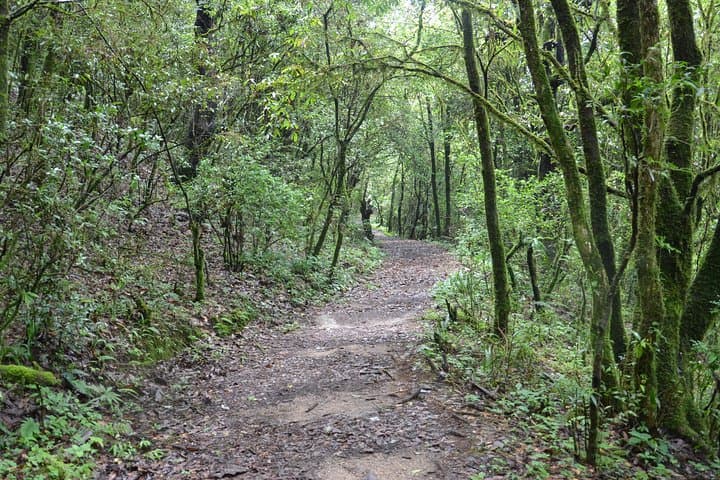
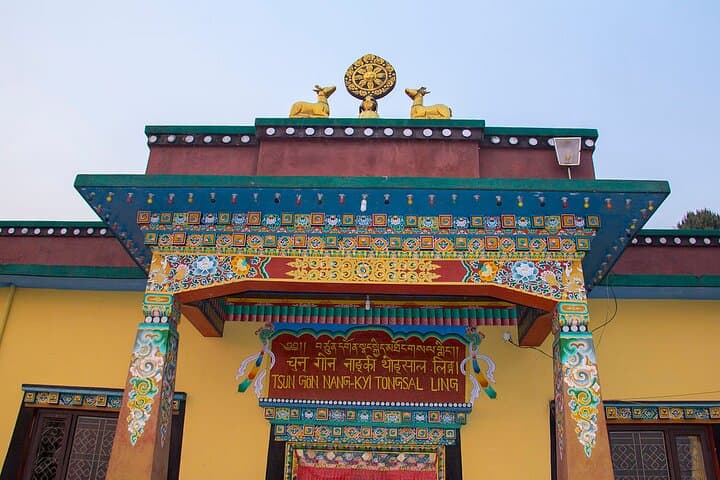
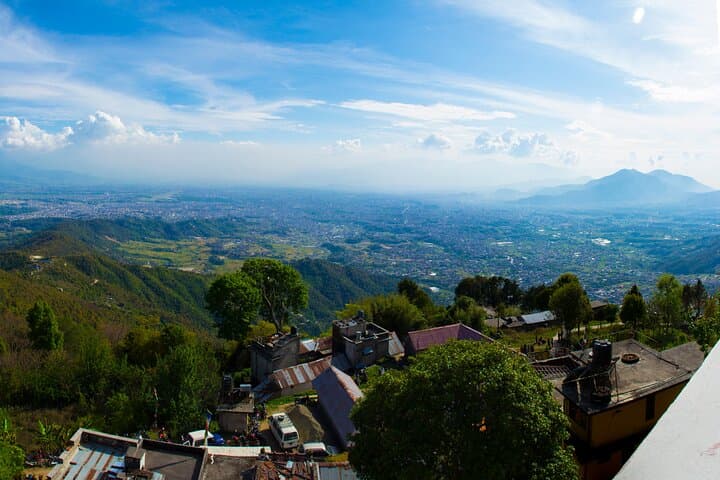
You start before dawn in Kathmandu, the city lights fading behind you as the van threads uphill toward Panimuhan. By the time you step out, the air has a cold, clear edge; rhododendron buds and pine needles perfume the slope. The trail pushes into a dense stand of oak and fir and, after a steady climb, opens onto Nagi Gumba — a Buddhist gompa that perches on the ridge and angles the whole Kathmandu Valley into view.
You start before dawn in Kathmandu, the city lights fading behind you as the van threads uphill toward Panimuhan. By the time you step out, the air has a cold, clear edge; rhododendron buds and pine needles perfume the slope. The trail pushes into a dense stand of oak and fir and, after a steady climb, opens onto Nagi Gumba — a Buddhist gompa that perches on the ridge and angles the whole Kathmandu Valley into view.
The hike is a compact lesson in the region’s geology and cultural layering. Shivapuri is the northern rim of the valley, carved by ancient river systems and uplifted by the collision of the Indian and Eurasian plates. The trail follows old shepherd paths and pilgrim routes; prayer flags at Nagi Gumba mark centuries of local devotion, while the rock outcrops around Tare Bhir show exposed sedimentary layers that slope toward the valley like pages flipped over by an impatient hand.
Wildlife here is quiet but present. Birdsong punctuates the ascent — warblers and flycatchers that chase one another through the canopy — and streams tumble down cliffs in sharp, obvious splashes that dare you to follow. Local guides know where small waterfalls collect in deep bowls and where the best viewpoints avoid the tourist crowds that gather at mid-morning.
Practical planning keeps this day from feeling rushed. The route most operators use starts at Panimuhan, climbs roughly 3–4 km to Nagi Gumba (about 2 hours of steady uphill), then follows the ridge and down through Tare Bhir into Sundarijal — make that a 5–6 hour hiking day total. Expect 500–700 meters of cumulative elevation gain on mixed dirt and stone trails, occasional steps, and a few narrow exposed sections near the cliff edges.
Pack for variable weather: mornings are cool, midday can be bright and hot, and the forest holds damp pockets after rain. Bring sturdy hiking shoes with grip for wet rock, 1.5–2 liters of water, layered clothing, and sun protection. Birdwatchers should carry binoculars; photographers will find the light dramatic from the ridge at golden hour.
Logistics are straightforward: many tours include hotel pickup in Kathmandu, park entry, bottled water, and lunch at a local spot in Sundarijal. The trail is accessible to most people with basic fitness — no technical climbing skills required — but those with mobility or back problems should plan accordingly. Finish the day with a slow descent into Sundarijal’s village cafés and a short drive back to the city, where the valley’s endless roofs feel both near and far after a day on the ridge.