THE ADVENTURE COLLECTIVE® · Independent discovery and booking for outdoor travel

Experience Shiro and Mugha Abhyanga in a traditional coconut‑leaf hut in Fort Kochi—an hour of herbal oil massage rooted in Kerala’s Ayurvedic heritage. Practical tips on timing, what to wear, and how the treatment fits local culture.
Experience Shiro and Mugha Abhyanga in a traditional coconut‑leaf hut in Fort Kochi—an hour of herbal oil massage rooted in Kerala’s Ayurvedic heritage. Practical tips on timing, what to wear, and how the treatment fits local culture.
A steady sea breeze moves through the open eaves of a low coconut‑leaf hut as a therapist prepares warm herbal oil—this is Fort Kochi’s Shiro and Mugha Abhyanga experience. The roof rustles; the air smells of coconut and pressed herbs. Guests lie on a woven mat while massage strokes work along the scalp and shoulders, and gentle compresses nudge tension out of the neck and upper back.
Verified experiences and guided adventures in the surrounding area.
Operated by EXPERIENCE ayurveda · Kochi, Kerala
A steady sea breeze moves through the open eaves of a low coconut‑leaf hut as a therapist prepares warm herbal oil—this is Fort Kochi’s Shiro and Mugha Abhyanga experience. The roof rustles; the air smells of coconut and pressed herbs. Guests lie on a woven mat while massage strokes work along the scalp and shoulders, and gentle compresses nudge tension out of the neck and upper back.
Kerala’s Ayurvedic traditions are centuries old, tied to Sanskrit texts and the coastal trade routes that brought spices and healing knowledge to these shores. Fort Kochi itself is a layered place—Portuguese and Dutch brickwork, fishing nets along the quay, and narrow lanes that once hosted sailors from across the Indian Ocean. Geologically the coast is flat and humid, where laterite soils support coconut groves whose leaves form the huts’ roofs.
Culturally the treatment is part medicine and ritual: oil prepared from local herbs, hands trained in rhythmic strokes, and a calm, domestic setting rather than a clinical spa. Locals favor morning sessions before the heat builds; evenings suit travelers seeking to unwind after a day of walking the shoreline.
Practical guidance: arrive hydrated, avoid heavy meals beforehand, and wear loose, breathable clothing you can easily change out of. Mention any medical conditions when booking—therapists adapt pressure and techniques. Bring cash for tips and a copy of your booking; bookings are often confirmed manually and can require advance notice. The experience is low‑impact and restorative—an accessible way to sample Kerala’s living medical tradition.
easy.
1 hour.
Suitable for all fitness levels; no exertion required but mobility to lie down and sit up is needed
The listed treatment is one hour; some centers offer longer or combined Panchakarma sessions if you book a retreat.
Some techniques are modified or avoided during pregnancy—always disclose pregnancy at booking so the therapist can recommend safe options.
No prior experience is required; therapists will explain the treatment and adapt oil type and pressure to your comfort.
For this provider cancel at least 24 hours ahead for a full refund; check your booking confirmation for the specific policy.
Fort Kochi blends Kerala’s Ayurvedic healing traditions with a colonial past shaped by Portuguese and Dutch trade, which influenced local architecture and cuisine.
Treatments use locally sourced herbs and coconut materials; support operators who use sustainably harvested botanicals and minimize single‑use plastics.
EXPERIENCE ayurveda operates guided outdoor trips and adventures with an emphasis on safety, stewardship, and memorable experiences.
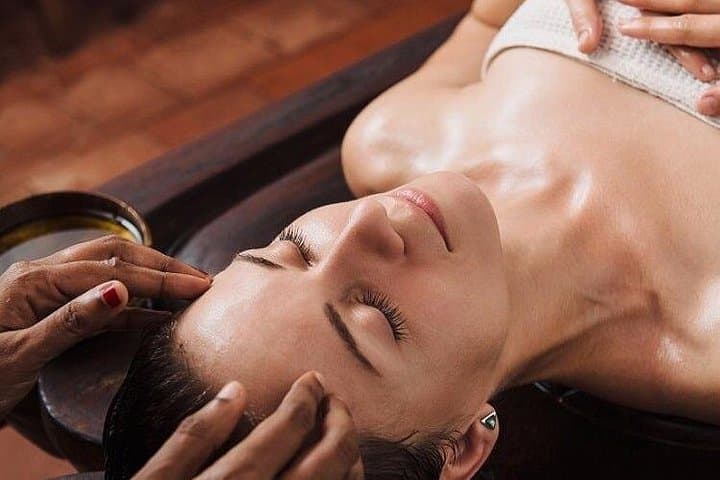
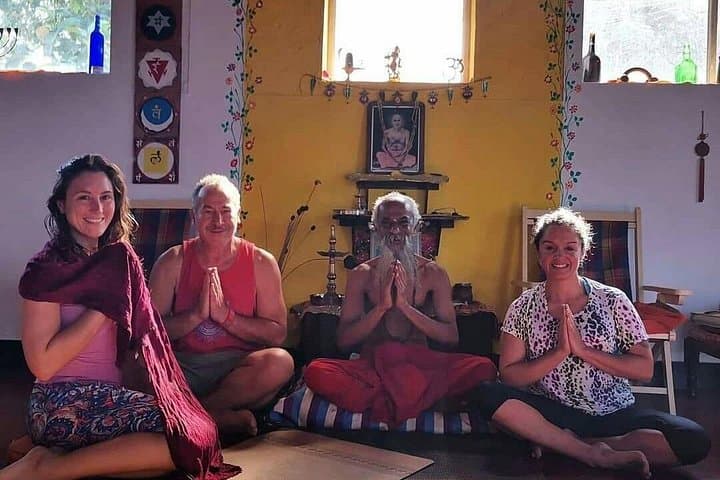
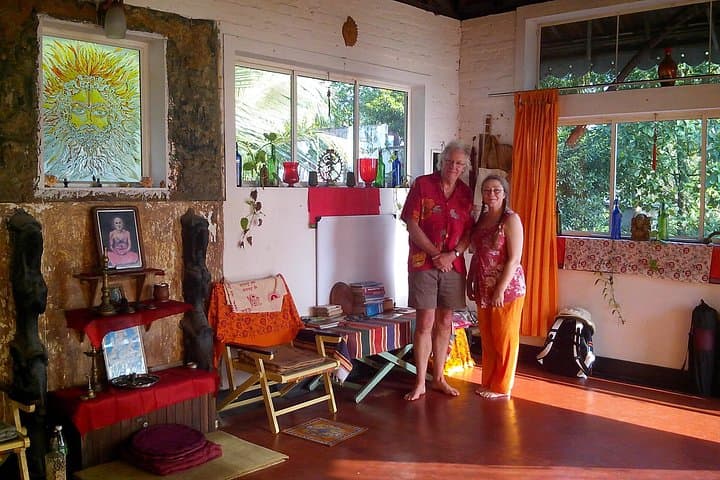
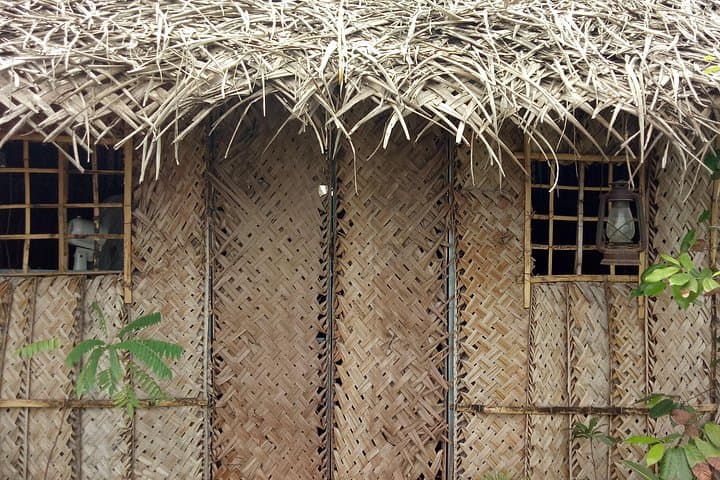
A steady sea breeze moves through the open eaves of a low coconut‑leaf hut as a therapist prepares warm herbal oil—this is Fort Kochi’s Shiro and Mugha Abhyanga experience. The roof rustles; the air smells of coconut and pressed herbs. Guests lie on a woven mat while massage strokes work along the scalp and shoulders, and gentle compresses nudge tension out of the neck and upper back.
A steady sea breeze moves through the open eaves of a low coconut‑leaf hut as a therapist prepares warm herbal oil—this is Fort Kochi’s Shiro and Mugha Abhyanga experience. The roof rustles; the air smells of coconut and pressed herbs. Guests lie on a woven mat while massage strokes work along the scalp and shoulders, and gentle compresses nudge tension out of the neck and upper back.
Kerala’s Ayurvedic traditions are centuries old, tied to Sanskrit texts and the coastal trade routes that brought spices and healing knowledge to these shores. Fort Kochi itself is a layered place—Portuguese and Dutch brickwork, fishing nets along the quay, and narrow lanes that once hosted sailors from across the Indian Ocean. Geologically the coast is flat and humid, where laterite soils support coconut groves whose leaves form the huts’ roofs.
Culturally the treatment is part medicine and ritual: oil prepared from local herbs, hands trained in rhythmic strokes, and a calm, domestic setting rather than a clinical spa. Locals favor morning sessions before the heat builds; evenings suit travelers seeking to unwind after a day of walking the shoreline.
Practical guidance: arrive hydrated, avoid heavy meals beforehand, and wear loose, breathable clothing you can easily change out of. Mention any medical conditions when booking—therapists adapt pressure and techniques. Bring cash for tips and a copy of your booking; bookings are often confirmed manually and can require advance notice. The experience is low‑impact and restorative—an accessible way to sample Kerala’s living medical tradition.