THE ADVENTURE COLLECTIVE® · Independent discovery and booking for outdoor travel

Float above the rusting hull of the USAT Liberty and watch a wartime wreck become reef. This full-day Tulamben snorkeling trip mixes a scenic 2½-hour drive with two or three guided snorkeling sessions at the famous shipwreck, coral gardens and statue sites.
Float above the rusting hull of the USAT Liberty and watch a wartime wreck become reef. This full-day Tulamben snorkeling trip mixes a scenic 2½-hour drive with two or three guided snorkeling sessions at the famous shipwreck, coral gardens and statue sites.
You step off the shaded path and the black sand opens to a wide, low-slung bay. Local boats bob like wooden beetles, and the ocean smells of salt and warm volcanic stone. On a clear morning the reef rolls into view almost at once — a sloping world of coral heads and darting fish that seems to lead straight to the rusted ribs of the USAT Liberty, a 120-meter freighter lying on its starboard side since 1942.
Verified experiences and guided adventures in the surrounding area.
Operated by Neptune Scuba Diving · Tulamben, Bali
You step off the shaded path and the black sand opens to a wide, low-slung bay. Local boats bob like wooden beetles, and the ocean smells of salt and warm volcanic stone. On a clear morning the reef rolls into view almost at once — a sloping world of coral heads and darting fish that seems to lead straight to the rusted ribs of the USAT Liberty, a 120-meter freighter lying on its starboard side since 1942.
Tulamben’s wreck is a piece of wartime history made habitat. Japanese forces sank the Liberty in January 1942; over eight decades the hull has softened into reef structure, attracting parrotfish, barracuda and the occasional reef shark. Geologically this stretch of Bali is young — volcanic flows from nearby Mount Agung have shaped the shore and fed the dark sand that frames the beach. Culturally the area remains quietly Balinese: fishermen mend nets under coconut palms and small warungs serve strong coffee and grilled fish.
The typical trip is deliberate in pace. Expect a 2½-hour drive from southern Bali resorts — the road climbs past rice terraces and black lava fields — followed by a day of two or three 45–60 minute snorkeling sessions at classic sites: the Liberty wreck, a shallow coral garden, and a small artificial reef dotted with Buddhist statues. Visibility on a good day ranges 10–25 meters; currents are generally gentle but can shift, so guides time entries and breaks conservatively. The operator typically runs the full day in an air-conditioned vehicle, includes equipment, snacks, lunch and bottled water, and returns you by late afternoon.
Practically speaking, you don’t need dive certification to enjoy these sites, but you do need to be comfortable swimming in open water and able to manage mask, snorkel and fins for up to an hour at a time. Dress light: a shorty or rash guard helps against sun and coral scrapes; reef-safe sunscreen is mandatory if you care for the corals. Note administrative rules: minimum age is 10, not recommended within 24 hours of flying, and inform the supplier of heights, weights and shoe sizes ahead of time for equipment set-up.
For planners: aim for dry-season mornings (April–October) for the calmest seas, book hotel pickup to avoid a long walk with gear, and allow the day as a full-day excursion—Tulamben rewards the traveler who treats it like a proper outing, not a rushed stop. Underwater, the wreck doesn’t just sit there; it pushes the current into a conversation—if you let it, the sea will show you how history grows into habitat.
easy.
Approximately 7 hours (includes transfers).
Basic swimming ability and comfort in open water; suitable for most families and non-expert snorkelers.
No — this snorkeling trip welcomes non-certified participants; discover-scuba options are separate and certification is not required for surface snorkeling.
Typical road transfer is about 2½ hours each way from central southern areas like Kuta or Seminyak; exact time varies with traffic.
Inclusions usually cover hotel pickup and drop-off, snorkeling equipment, bottled water, snacks, lunch, a professional guide and taxes/fees.
The operator’s minimum age is 10 years old for participation in snorkeling activities.
Visibility is often 10–25 meters in the dry season; currents are usually mild but can change, so guides schedule entries accordingly.
Yes — you may bring personal mask, snorkel and fins, which many travelers prefer for fit and comfort.
The USAT Liberty was torpedoed in January 1942 and later moved ashore by volcanic activity; over decades the hull has become a living reef.
Coral health is fragile here — visitors are asked to use reef-safe sunscreen, avoid touching coral, and follow guide instructions to minimize impact.
Neptune Scuba Diving operates guided outdoor trips and adventures with an emphasis on safety, stewardship, and memorable experiences.
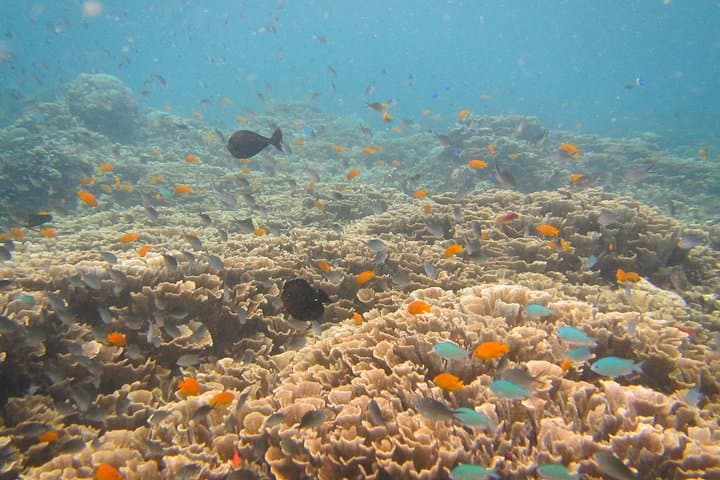
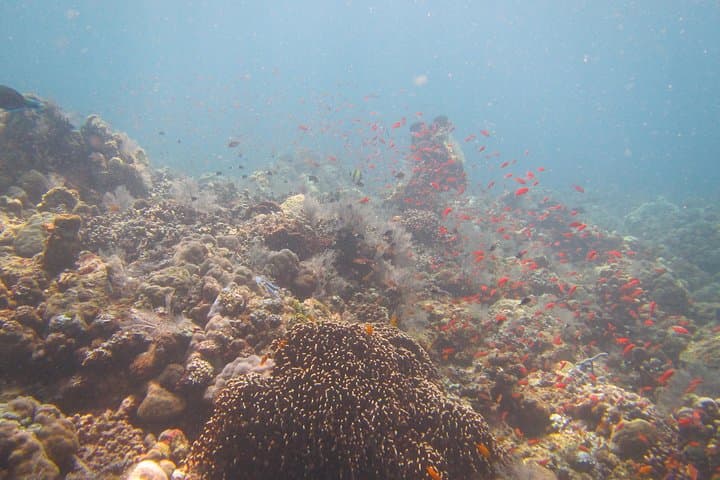
You step off the shaded path and the black sand opens to a wide, low-slung bay. Local boats bob like wooden beetles, and the ocean smells of salt and warm volcanic stone. On a clear morning the reef rolls into view almost at once — a sloping world of coral heads and darting fish that seems to lead straight to the rusted ribs of the USAT Liberty, a 120-meter freighter lying on its starboard side since 1942.
You step off the shaded path and the black sand opens to a wide, low-slung bay. Local boats bob like wooden beetles, and the ocean smells of salt and warm volcanic stone. On a clear morning the reef rolls into view almost at once — a sloping world of coral heads and darting fish that seems to lead straight to the rusted ribs of the USAT Liberty, a 120-meter freighter lying on its starboard side since 1942.
Tulamben’s wreck is a piece of wartime history made habitat. Japanese forces sank the Liberty in January 1942; over eight decades the hull has softened into reef structure, attracting parrotfish, barracuda and the occasional reef shark. Geologically this stretch of Bali is young — volcanic flows from nearby Mount Agung have shaped the shore and fed the dark sand that frames the beach. Culturally the area remains quietly Balinese: fishermen mend nets under coconut palms and small warungs serve strong coffee and grilled fish.
The typical trip is deliberate in pace. Expect a 2½-hour drive from southern Bali resorts — the road climbs past rice terraces and black lava fields — followed by a day of two or three 45–60 minute snorkeling sessions at classic sites: the Liberty wreck, a shallow coral garden, and a small artificial reef dotted with Buddhist statues. Visibility on a good day ranges 10–25 meters; currents are generally gentle but can shift, so guides time entries and breaks conservatively. The operator typically runs the full day in an air-conditioned vehicle, includes equipment, snacks, lunch and bottled water, and returns you by late afternoon.
Practically speaking, you don’t need dive certification to enjoy these sites, but you do need to be comfortable swimming in open water and able to manage mask, snorkel and fins for up to an hour at a time. Dress light: a shorty or rash guard helps against sun and coral scrapes; reef-safe sunscreen is mandatory if you care for the corals. Note administrative rules: minimum age is 10, not recommended within 24 hours of flying, and inform the supplier of heights, weights and shoe sizes ahead of time for equipment set-up.
For planners: aim for dry-season mornings (April–October) for the calmest seas, book hotel pickup to avoid a long walk with gear, and allow the day as a full-day excursion—Tulamben rewards the traveler who treats it like a proper outing, not a rushed stop. Underwater, the wreck doesn’t just sit there; it pushes the current into a conversation—if you let it, the sea will show you how history grows into habitat.