THE ADVENTURE COLLECTIVE® · Independent discovery and booking for outdoor travel

Float over the Constellation and Montana wrecks in about 30 feet of water and snorkel a living reef that helped create Bermuda’s reputation as the wreck-diving capital of the Atlantic. Expect local history, marine life, and a practical safety briefing before you enter the water.
Float over the Constellation and Montana wrecks in about 30 feet of water and snorkel a living reef that helped create Bermuda’s reputation as the wreck-diving capital of the Atlantic. Expect local history, marine life, and a practical safety briefing before you enter the water.
The boat slips off the quay and the Atlantic opens like a challenge — turquoise one moment, a darker, secretive green the next as the reef shelf approaches.
Verified experiences and guided adventures in the surrounding area.
Operated by Island Tour Centre · Hamilton, Bermuda
The boat slips off the quay and the Atlantic opens like a challenge — turquoise one moment, a darker, secretive green the next as the reef shelf approaches.
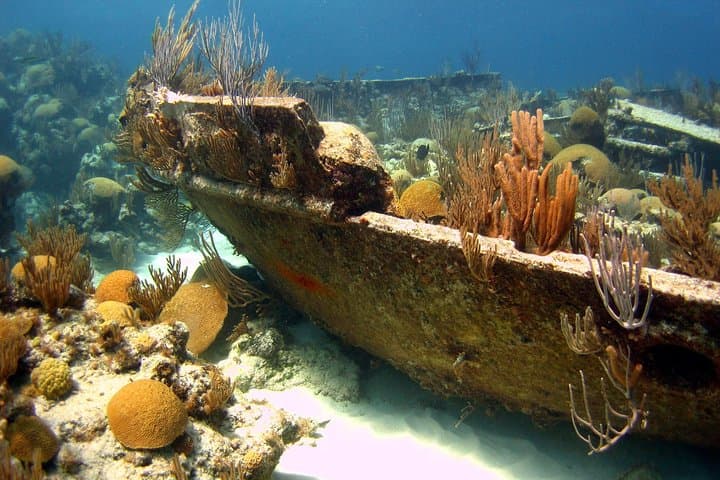
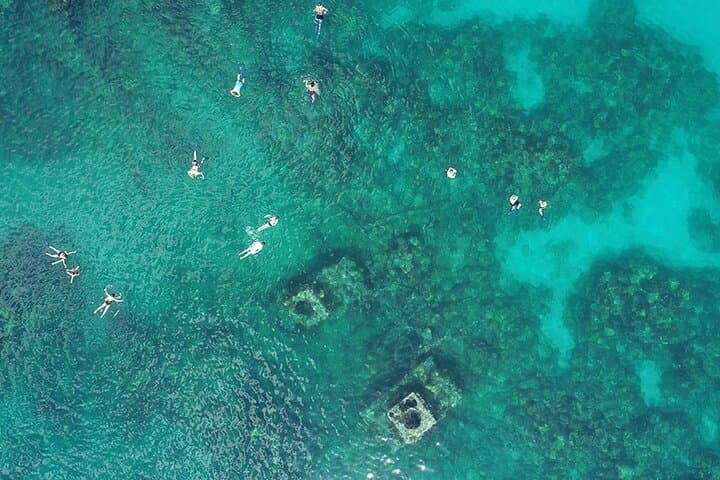
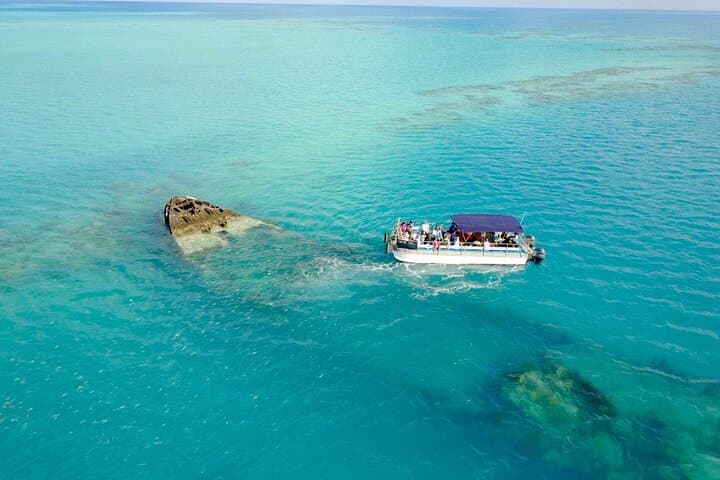
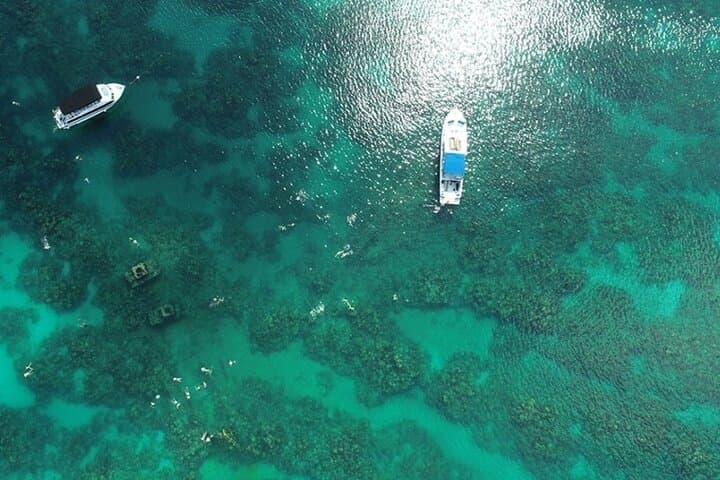
Within an hour you’re anchored over shallow wrecks: the steel ribs of the Constellation and Montana sit in roughly 30 feet of water, fringed by hard coral and schools of curious fish. Crew briefings are practical and brisk; they point out fragile coral, explain the wrecks’ roles in Bermuda’s perilous shipping history and hand you snorkel gear and flotation.
Bermuda’s reef is the northernmost fringe of Caribbean-style coral, a geological shelf that turned hundreds of ships into underwater landmarks. Colonial shipping lanes, shifting shoals and sudden storms created more than 300 wrecks; many are now artificial reefs teeming with parrotfish, tangs and juvenile snapper. Local culture still orbits the sea — mariners, boatbuilders and dive guides who read weather and tide like a language.
Expect a three-hour excursion with 45–60 minutes in the water, clear safety protocols and a possible glass-bottom alternative if offshore seas are rough. Practicalities matter: be a competent swimmer, wear reef-safe sunscreen, and plan for sun exposure between swims. Bring a towel and a dry bag for valuables.
This trip is part history lesson, part marine biology tour and part open-water workout — a compact way to touch Bermuda’s shipwreck past while floating above living reef.
moderate.
3 hours.
Participants should have moderate fitness and be comfortable swimming in open water and climbing a swim ladder.
Yes — participants must be competent swimmers able to handle water too deep to stand; flotation is provided but you should be comfortable in open water.
The Constellation and Montana sit in about 30 feet of water; typical in‑water time is 45–60 minutes within a three‑hour tour.
Yes — standard snorkel gear and flotation devices are provided by the operator; you may bring your own mask or snorkel if preferred.
If offshore conditions are unsafe the operator will switch to a glass‑bottom cruise over an inshore wreck and snorkel a shoreline reef site instead.
Bermuda’s reefs and shoals made it a hazardous shipping corridor during the age of sail, producing hundreds of wrecks that now function as artificial reefs.
The reef is sensitive to sunscreen chemicals, anchor damage and careless contact — use reef‑safe products, avoid touching coral, and follow your guide’s mooring instructions.
Island Tour Centre operates guided outdoor trips and adventures with an emphasis on safety, stewardship, and memorable experiences.
The boat slips off the quay and the Atlantic opens like a challenge — turquoise one moment, a darker, secretive green the next as the reef shelf approaches.
The boat slips off the quay and the Atlantic opens like a challenge — turquoise one moment, a darker, secretive green the next as the reef shelf approaches.
Within an hour you’re anchored over shallow wrecks: the steel ribs of the Constellation and Montana sit in roughly 30 feet of water, fringed by hard coral and schools of curious fish. Crew briefings are practical and brisk; they point out fragile coral, explain the wrecks’ roles in Bermuda’s perilous shipping history and hand you snorkel gear and flotation.
Bermuda’s reef is the northernmost fringe of Caribbean-style coral, a geological shelf that turned hundreds of ships into underwater landmarks. Colonial shipping lanes, shifting shoals and sudden storms created more than 300 wrecks; many are now artificial reefs teeming with parrotfish, tangs and juvenile snapper. Local culture still orbits the sea — mariners, boatbuilders and dive guides who read weather and tide like a language.
Expect a three-hour excursion with 45–60 minutes in the water, clear safety protocols and a possible glass-bottom alternative if offshore seas are rough. Practicalities matter: be a competent swimmer, wear reef-safe sunscreen, and plan for sun exposure between swims. Bring a towel and a dry bag for valuables.
This trip is part history lesson, part marine biology tour and part open-water workout — a compact way to touch Bermuda’s shipwreck past while floating above living reef.