THE ADVENTURE COLLECTIVE® · Independent discovery and booking for outdoor travel

Board a small boat and approach the MV Captayannis—Glasgow’s infamous "Sugar Boat"—while crew share sonar images and local lore. Expect close-up views of the wreck, seals, porpoise and a concise, weather-dependent two-hour outing.
Board a small boat and approach the MV Captayannis—Glasgow’s infamous "Sugar Boat"—while crew share sonar images and local lore. Expect close-up views of the wreck, seals, porpoise and a concise, weather-dependent two-hour outing.
The engine thumps, spray hits your face and the river narrows into a corridor of steel and history. On the Clyde, the hull of the MV Captayannis—known locally as the "Sugar Boat"—emerges from low tide like a sleeping giant; gulls circle and seals watch from sunlit kelp beds as the skipper eases the boat close enough to make out rusted portholes.
Verified experiences and guided adventures in the surrounding area.
Operated by Wreckspeditions · Greenock, Scotland
The engine thumps, spray hits your face and the river narrows into a corridor of steel and history. On the Clyde, the hull of the MV Captayannis—known locally as the "Sugar Boat"—emerges from low tide like a sleeping giant; gulls circle and seals watch from sunlit kelp beds as the skipper eases the boat close enough to make out rusted portholes.
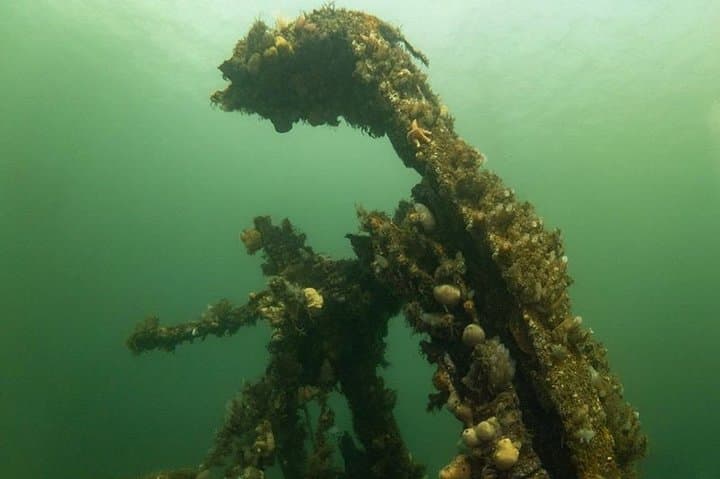
The Clyde is carved by glacial ice and human hands: a deep, sheltered channel that became Scotland’s industrial artery. The Captayannis ran aground in the 1970s and now anchors a micro-history of maritime trade and shipbuilding decline, while sonar returns below tell older, quieter stories—bony outlines of wartime wrecks and submerged hulks.
Culturally this is a river of shipwrights and seafarers; crews will point out slipways, old dry docks and the changing skyline of Greenock and Gourock. Geologically, the estuary reveals tidal scour and mixed sediments that preserve wrecks in varying states; the boat’s live sonar makes the unseen visible and immediate.
Practical guide: tours run about two hours from a Clyde-side departure and are weather-dependent—bring layers, windproof outerwear and a firm pair of shoes for boarding. Binoculars and a camera with a secure strap make wildlife and wreck details readable; if you’re prone to seasickness, take meds beforehand. Respect wildlife: keep noise low and follow crew instructions about approaching shallows and submerged metal. Expect cold spray even on sunny days and plan around tide tables if you want the best light and closest approach.
easy.
2 hours.
Suitable for most fitness levels; requires ability to step on/off a small boat and stand for portions of the trip.
Most shipwreck tours on the Clyde depart from harbors near Greenock or Gourock; your booking confirmation will list the exact departure point and check-in time.
On calm tides the skipper can bring the vessel close enough for clear views and photos, but approach distance depends on tide, seabed conditions and safety considerations.
Yes—harbour seals and occasionally porpoise are commonly sighted; sightings aren’t guaranteed but are frequent on this stretch of the Clyde.
Yes; the tour is rated easy physically but requires careful boarding; lifejackets are provided and crew will advise if conditions suggest cancelling for safety.
The Captayannis ran aground in the 1970s and remains a local landmark amid the River Clyde’s long shipbuilding history, which powered Glasgow’s growth in the 19th and 20th centuries.
Operators emphasize no-touch approaches to wrecks and advise keeping distances from hauled-out seals; avoid discarding plastics and follow crew guidance to minimize disturbance.
Wreckspeditions operates guided outdoor trips and adventures with an emphasis on safety, stewardship, and memorable experiences.
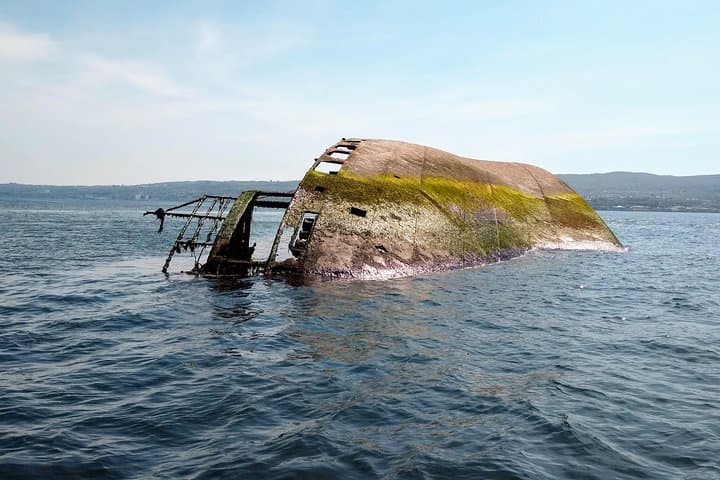
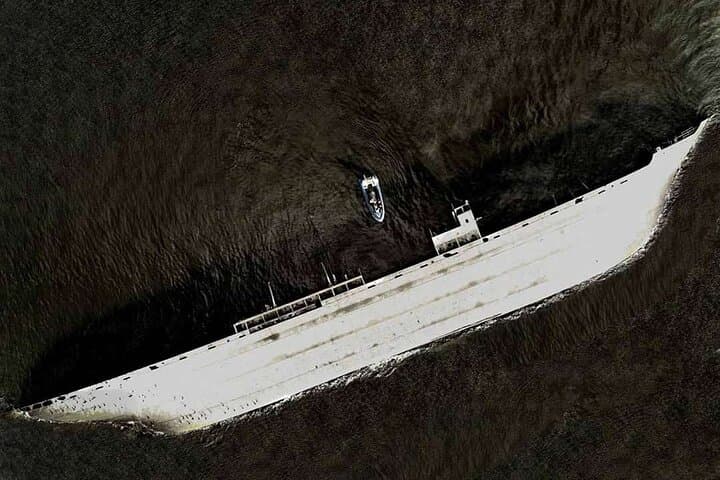
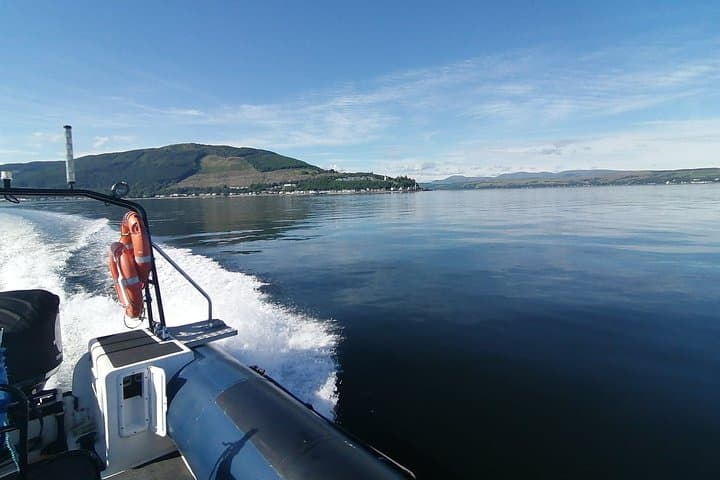
The engine thumps, spray hits your face and the river narrows into a corridor of steel and history. On the Clyde, the hull of the MV Captayannis—known locally as the "Sugar Boat"—emerges from low tide like a sleeping giant; gulls circle and seals watch from sunlit kelp beds as the skipper eases the boat close enough to make out rusted portholes.
The engine thumps, spray hits your face and the river narrows into a corridor of steel and history. On the Clyde, the hull of the MV Captayannis—known locally as the "Sugar Boat"—emerges from low tide like a sleeping giant; gulls circle and seals watch from sunlit kelp beds as the skipper eases the boat close enough to make out rusted portholes.
The Clyde is carved by glacial ice and human hands: a deep, sheltered channel that became Scotland’s industrial artery. The Captayannis ran aground in the 1970s and now anchors a micro-history of maritime trade and shipbuilding decline, while sonar returns below tell older, quieter stories—bony outlines of wartime wrecks and submerged hulks.
Culturally this is a river of shipwrights and seafarers; crews will point out slipways, old dry docks and the changing skyline of Greenock and Gourock. Geologically, the estuary reveals tidal scour and mixed sediments that preserve wrecks in varying states; the boat’s live sonar makes the unseen visible and immediate.
Practical guide: tours run about two hours from a Clyde-side departure and are weather-dependent—bring layers, windproof outerwear and a firm pair of shoes for boarding. Binoculars and a camera with a secure strap make wildlife and wreck details readable; if you’re prone to seasickness, take meds beforehand. Respect wildlife: keep noise low and follow crew instructions about approaching shallows and submerged metal. Expect cold spray even on sunny days and plan around tide tables if you want the best light and closest approach.