THE ADVENTURE COLLECTIVE® · Independent discovery and booking for outdoor travel

Board a dive boat off Colombo for two guided wreck dives that turn WWII relics into vibrant reefs. Expect moderate depths, warm water, and close-up encounters with turtles and reef fish during the December–April season.
Board a dive boat off Colombo for two guided wreck dives that turn WWII relics into vibrant reefs. Expect moderate depths, warm water, and close-up encounters with turtles and reef fish during the December–April season.
The boat slips away from the city silhouette and the Indian Ocean opens like a mapped memory—blue turning to deep indigo where rusted hulls lie. On a five-hour trip from Colombo you make two guided dives through ghostly ribs of shipwrecks: Thermopylae Sierra, SS Perseus, Lotus Barge and more, now framed by black coral and schools of fish that treat steel as reef.
Verified experiences and guided adventures in the surrounding area.
Operated by AdrenalineLK Adventures · Colombo, Western Province
The boat slips away from the city silhouette and the Indian Ocean opens like a mapped memory—blue turning to deep indigo where rusted hulls lie. On a five-hour trip from Colombo you make two guided dives through ghostly ribs of shipwrecks: Thermopylae Sierra, SS Perseus, Lotus Barge and more, now framed by black coral and schools of fish that treat steel as reef.
Sri Lanka’s west-coast wrecks record maritime trade and wartime loss; many sit at moderate depths and have become artificial reefs over decades. The seabed here shifts between sand flats and scattered bommies, with currents that can playfully push you along a wreck’s length. Local dive culture blends British and South Asian influences—briefings are meticulous, and instructors emphasize cautious, buoyant exploration.
Expect warm water, 18–30 m dive profiles on typical sites, and visibility that improves in the December–April season. Marine life ranges from angelfish and trevally to hawksbill turtles and intermittent reef sharks; currents bring plankton that feed small shoals and, in turn, larger predators.
Practical guidance: arrive hydrated, limit heavy meals before dive, and conserve energy for two back-to-back dives. If you’re newly certified, confirm boat and instructor policies—this operator accepts beginners under direct supervision. Wear a sun layer and reef-safe sunscreen between dives; a surface interval with light snacks is included. Weather can cancel dives—keep your schedule flexible and cancel at least 24 hours in advance if plans change.
These wrecks reward measured curiosity: move slowly, watch your line and watch each other, and you’ll find history and habitat braided together on the ocean floor.
moderate.
5 hours.
Moderate fitness—comfortable swimming, able to make repeated descents and manage gear during surface intervals.
Many operators accept newly certified divers on guided dives; however, bring proof of your Open Water or equivalent certification—check with the operator before booking.
December to April is the prime season for Colombo wreck dives with calmer seas and improved visibility.
Wrecks in the area typically lie in moderate recreational ranges (roughly 18–30 m); exact depths vary by site and are covered during the pre-dive briefing.
Dives may be canceled for safety due to weather; this operator offers full refunds if canceled at least 24 hours before departure and will cancel if conditions are unsafe.
Several wrecks off Colombo date to World War II and mid-20th-century cargo traffic, now colonized by corals and fish that repopulated the sunken structures.
Use reef-safe sunscreen and avoid touching wrecks to protect coral growth; many sites are unprotected and rely on diver stewardship to minimize damage.
AdrenalineLK Adventures operates guided outdoor trips and adventures with an emphasis on safety, stewardship, and memorable experiences.
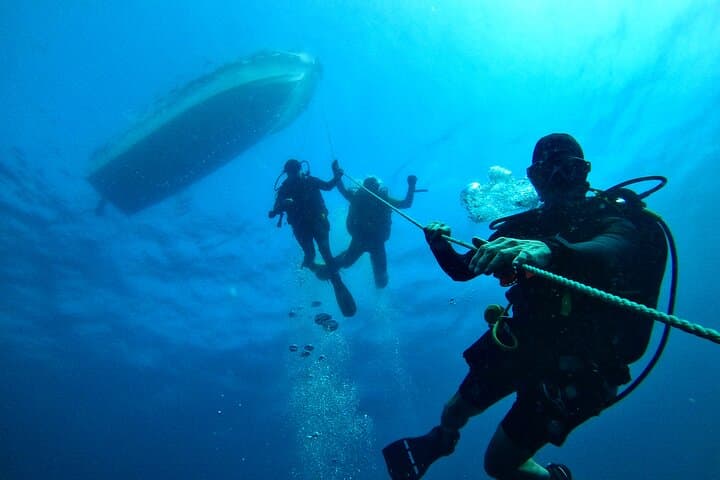
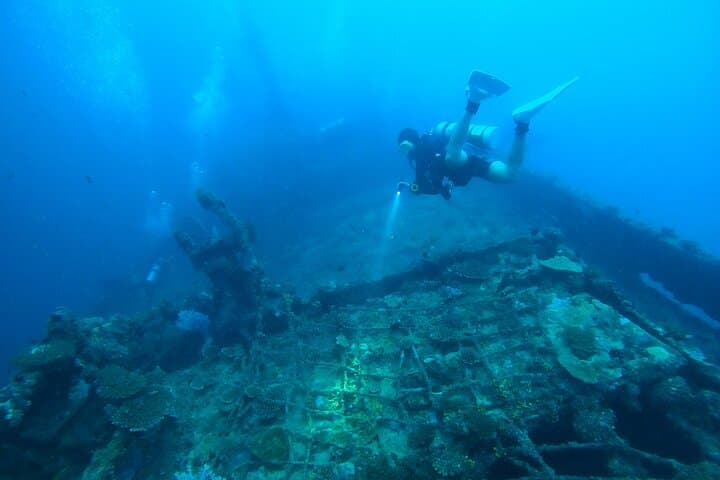

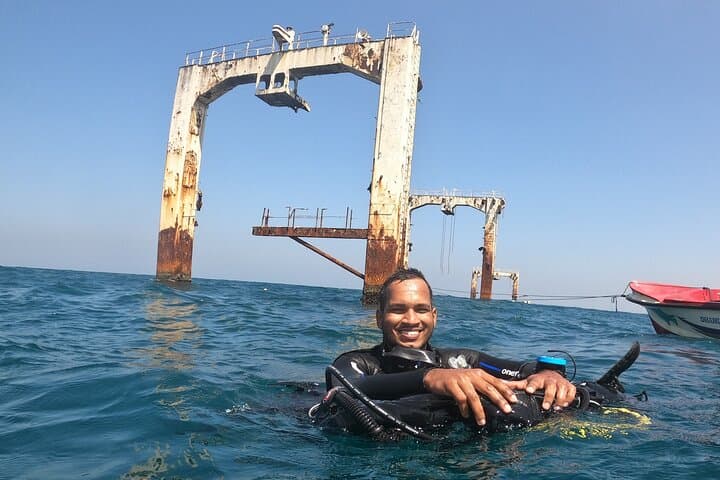
The boat slips away from the city silhouette and the Indian Ocean opens like a mapped memory—blue turning to deep indigo where rusted hulls lie. On a five-hour trip from Colombo you make two guided dives through ghostly ribs of shipwrecks: Thermopylae Sierra, SS Perseus, Lotus Barge and more, now framed by black coral and schools of fish that treat steel as reef.
The boat slips away from the city silhouette and the Indian Ocean opens like a mapped memory—blue turning to deep indigo where rusted hulls lie. On a five-hour trip from Colombo you make two guided dives through ghostly ribs of shipwrecks: Thermopylae Sierra, SS Perseus, Lotus Barge and more, now framed by black coral and schools of fish that treat steel as reef.
Sri Lanka’s west-coast wrecks record maritime trade and wartime loss; many sit at moderate depths and have become artificial reefs over decades. The seabed here shifts between sand flats and scattered bommies, with currents that can playfully push you along a wreck’s length. Local dive culture blends British and South Asian influences—briefings are meticulous, and instructors emphasize cautious, buoyant exploration.
Expect warm water, 18–30 m dive profiles on typical sites, and visibility that improves in the December–April season. Marine life ranges from angelfish and trevally to hawksbill turtles and intermittent reef sharks; currents bring plankton that feed small shoals and, in turn, larger predators.
Practical guidance: arrive hydrated, limit heavy meals before dive, and conserve energy for two back-to-back dives. If you’re newly certified, confirm boat and instructor policies—this operator accepts beginners under direct supervision. Wear a sun layer and reef-safe sunscreen between dives; a surface interval with light snacks is included. Weather can cancel dives—keep your schedule flexible and cancel at least 24 hours in advance if plans change.
These wrecks reward measured curiosity: move slowly, watch your line and watch each other, and you’ll find history and habitat braided together on the ocean floor.