THE ADVENTURE COLLECTIVE® · Independent discovery and booking for outdoor travel

Explore Boa Vista’s coast and sand seas on a 4–5 hour outing that mixes a rusted shipwreck, dune play in the Viana desert, and a hands-on pottery stop in Rabil. Practical, walkable, and rich in local color.
Explore Boa Vista’s coast and sand seas on a 4–5 hour outing that mixes a rusted shipwreck, dune play in the Viana desert, and a hands-on pottery stop in Rabil. Practical, walkable, and rich in local color.
The day begins in Sal Rei with salt flats and pared-down streets under a wide Atlantic sky — a short group walk through the town loosens the legs and gives you a feel for island life before the real landscape takes over.
Verified experiences and guided adventures in the surrounding area.
Operated by Rotcha-Tours · Sal Rei, Boa Vista
The day begins in Sal Rei with salt flats and pared-down streets under a wide Atlantic sky — a short group walk through the town loosens the legs and gives you a feel for island life before the real landscape takes over.
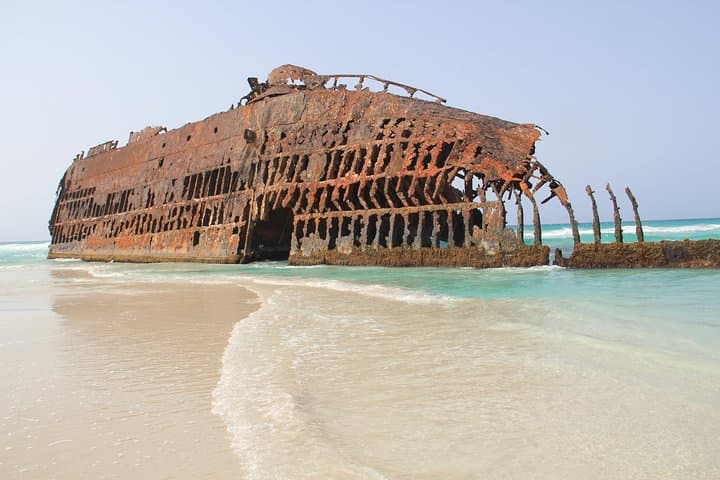
You head south across low volcanic ridges to the rusted hull of the Cabo Santa Maria, its ribs partially buried in white sand. The wreck has been a visible landmark since 1968; up close it reads as both industrial relic and island monument, the metal surrendering to wind and salt while shorebirds use its hollows as perches.
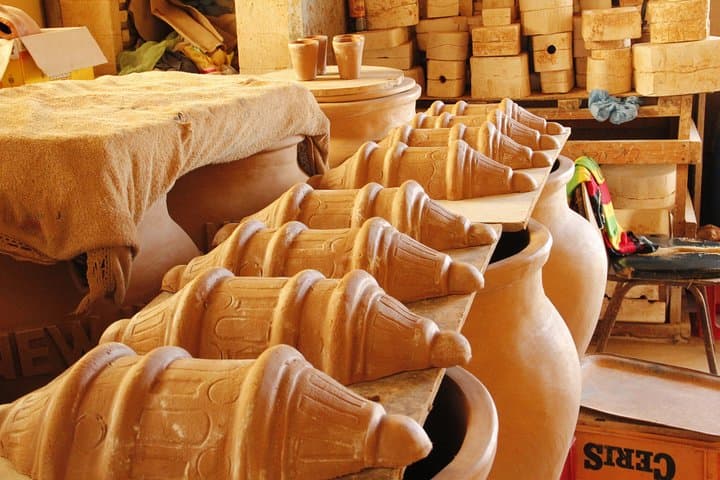
Beyond the wreck, the Viana desert opens — a pocket of Saharan sand pushed onto Boa Vista's interior by persistent trade winds. Dunes here are small but playful; sandboarding and short walks reveal sculpted ridgelines and occasional hardy shrubs that hold fragile dunes together. The stop in Rabil reconnects the route to people: centuries-old clay techniques are still practiced in small studios where you can watch potters shape local vessels and buy handmade souvenirs.
Practically: expect 4–5 hours on a shared tour with short walks on soft sand and uneven ground. Bring sun protection, a refillable water bottle, sturdy shoes for walking over ridges, and small local currency for pottery. The itinerary suits most fitness levels but isn't recommended for people with serious back problems. Early morning or late afternoon visits soften heat and sharpen light for photos. Respect the wreck and dunes — avoid climbing on unstable metal and leave no trace to preserve the island’s quiet character.
easy.
4–5 hours.
Suitable for most fitness levels; expect short walks on soft sand and uneven ground
The tour runs about 4–5 hours (240–300 minutes), including stops in Sal Rei, the shipwreck, Viana desert, and Rabil pottery.
You can view and photograph the Cabo Santa Maria from the shore, but avoid climbing on unstable metal; rusted sections are hazardous.
A snack is provided and adults receive a local rum tasting; children are offered juice. Port or hotel pickup is typically available—confirm at booking.
The tour is family-friendly with light walking, but it’s not recommended for people with serious spinal issues; check accessibility needs with the operator.
The freighter Cabo Santa Maria ran aground in 1968 and became a visual landmark that figures in local stories about changing coasts and island livelihoods.
Dunes on Boa Vista are sensitive; stick to established paths, avoid disturbing vegetation, and take all trash with you to protect nesting habitats.
Rotcha-Tours operates guided outdoor trips and adventures with an emphasis on safety, stewardship, and memorable experiences.
The day begins in Sal Rei with salt flats and pared-down streets under a wide Atlantic sky — a short group walk through the town loosens the legs and gives you a feel for island life before the real landscape takes over.
The day begins in Sal Rei with salt flats and pared-down streets under a wide Atlantic sky — a short group walk through the town loosens the legs and gives you a feel for island life before the real landscape takes over.
You head south across low volcanic ridges to the rusted hull of the Cabo Santa Maria, its ribs partially buried in white sand. The wreck has been a visible landmark since 1968; up close it reads as both industrial relic and island monument, the metal surrendering to wind and salt while shorebirds use its hollows as perches.
Beyond the wreck, the Viana desert opens — a pocket of Saharan sand pushed onto Boa Vista's interior by persistent trade winds. Dunes here are small but playful; sandboarding and short walks reveal sculpted ridgelines and occasional hardy shrubs that hold fragile dunes together. The stop in Rabil reconnects the route to people: centuries-old clay techniques are still practiced in small studios where you can watch potters shape local vessels and buy handmade souvenirs.
Practically: expect 4–5 hours on a shared tour with short walks on soft sand and uneven ground. Bring sun protection, a refillable water bottle, sturdy shoes for walking over ridges, and small local currency for pottery. The itinerary suits most fitness levels but isn't recommended for people with serious back problems. Early morning or late afternoon visits soften heat and sharpen light for photos. Respect the wreck and dunes — avoid climbing on unstable metal and leave no trace to preserve the island’s quiet character.