THE ADVENTURE COLLECTIVE® · Independent discovery and booking for outdoor travel

Drive east from Kashgar into a raw, wind-scarred valley to stand beneath Shipton's Arch — a towering natural gateway. This private day trip combines a scenic hike, picnic lunch, and local guide to reach the best viewpoints.
Drive east from Kashgar into a raw, wind-scarred valley to stand beneath Shipton's Arch — a towering natural gateway. This private day trip combines a scenic hike, picnic lunch, and local guide to reach the best viewpoints.
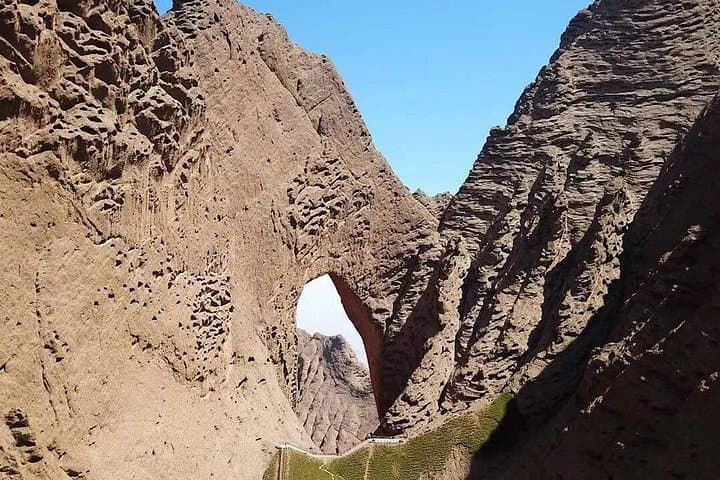
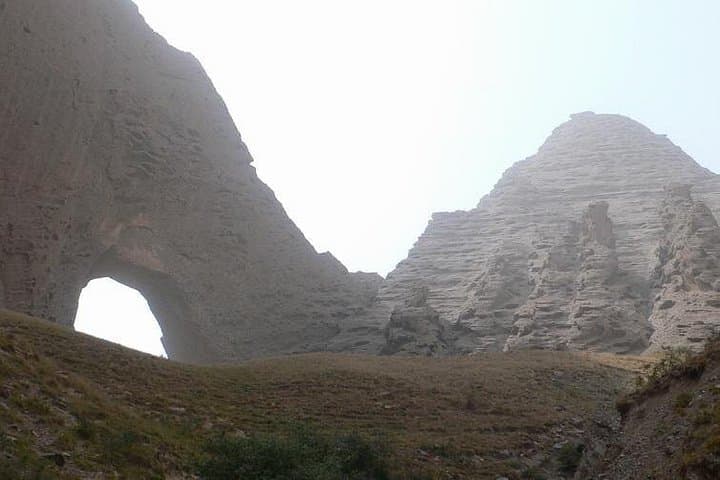
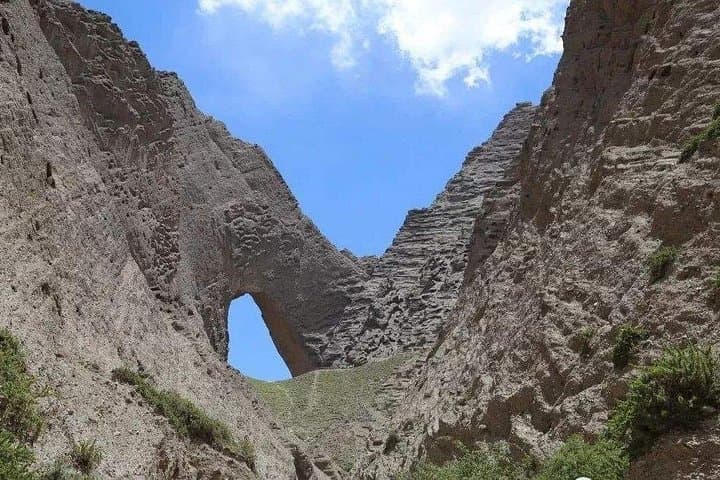
You arrive before the valley wakes: low sun slants across baked cliffs, dust motes turning the air gold as the private vehicle leaves Kashgar and the plain narrows toward Artux. The arch appears like a carved opening in the skyline — an immense stone gate that frames a strip of sky. Walking into the valley feels like stepping under a giant's doorstep; the rock seems to watch you, patient and immovable.
Verified experiences and guided adventures in the surrounding area.
Operated by SilkRoadTrips · Artux, Xinjiang
You arrive before the valley wakes: low sun slants across baked cliffs, dust motes turning the air gold as the private vehicle leaves Kashgar and the plain narrows toward Artux. The arch appears like a carved opening in the skyline — an immense stone gate that frames a strip of sky. Walking into the valley feels like stepping under a giant's doorstep; the rock seems to watch you, patient and immovable.
Shipton's Arch (Tianmen) is a conglomerate natural arch near the village of Artux in Xinjiang. English mountaineer Eric Shipton brought it to Western attention in 1947, and a National Geographic expedition in 2000 confirmed its extraordinary scale. Estimates put the arch's height at roughly 300–370 meters, making it one of the tallest known natural arches on Earth.
Geology here is coarse: cemented gravel and sandstone layers eroded by wind and seasonal water flow that carved the valley and left the arch standing. The surrounding area is predominantly Uyghur countryside; you'll likely pass small villages and see local herding and roadside stalls selling tea and bread.
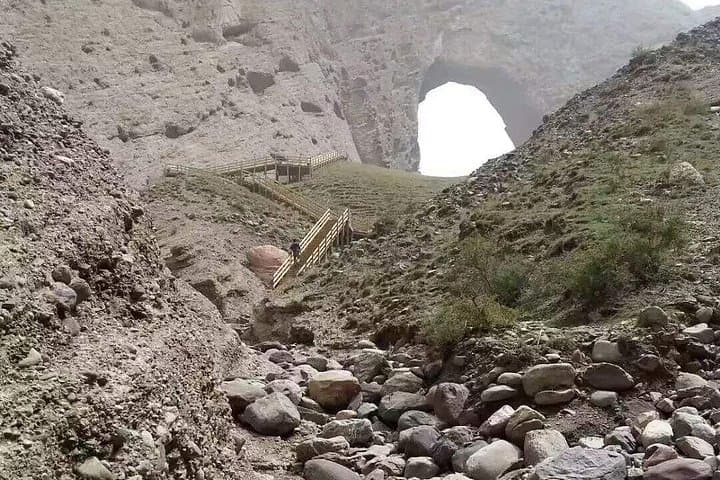
Practical guidance: expect a 2–2.5 hour drive each way from Kashgar (about 200 km), followed by an easy-to-moderate valley hike on loose gravel and dirt trails. Wear sturdy shoes with tread, sun protection, and bring at least 2 liters of water. The tour includes a picnic lunch and a local guide who picks the best vantage and controls timing for light and shadow.
Photography windows are best in the morning or late afternoon when the arch's contours are most defined. Respect local customs in villages, carry ID, and check current travel advisories for Xinjiang before you go.
moderate.
7 hours.
Suitable for most people who can walk 1–3 miles on uneven ground; involves some short uphill sections and footing on loose gravel.
The tour covers about 200 km and the drive typically takes roughly 2–2.5 hours each way depending on road conditions.
No special archaeological permit is usually required, but visitors should carry passport/ID and follow any local regulations; tour operators handle local logistics.
The valley hike is non-technical but can be on loose gravel and uneven ground; good footwear and basic fitness are recommended.
Spring through autumn offers the most comfortable conditions; summers are hot and winters can be cold with potential access issues due to weather.
Locals knew the formation for generations; Western attention came after Eric Shipton's 1947 visit and broader publicity after a National Geographic expedition around 2000.
The valley is relatively fragile—stick to established paths, avoid disturbing loose rock, and pack out all trash to minimize erosion and cultural impact.
SilkRoadTrips operates guided outdoor trips and adventures with an emphasis on safety, stewardship, and memorable experiences.
You arrive before the valley wakes: low sun slants across baked cliffs, dust motes turning the air gold as the private vehicle leaves Kashgar and the plain narrows toward Artux. The arch appears like a carved opening in the skyline — an immense stone gate that frames a strip of sky. Walking into the valley feels like stepping under a giant's doorstep; the rock seems to watch you, patient and immovable.
You arrive before the valley wakes: low sun slants across baked cliffs, dust motes turning the air gold as the private vehicle leaves Kashgar and the plain narrows toward Artux. The arch appears like a carved opening in the skyline — an immense stone gate that frames a strip of sky. Walking into the valley feels like stepping under a giant's doorstep; the rock seems to watch you, patient and immovable.
Shipton's Arch (Tianmen) is a conglomerate natural arch near the village of Artux in Xinjiang. English mountaineer Eric Shipton brought it to Western attention in 1947, and a National Geographic expedition in 2000 confirmed its extraordinary scale. Estimates put the arch's height at roughly 300–370 meters, making it one of the tallest known natural arches on Earth.
Geology here is coarse: cemented gravel and sandstone layers eroded by wind and seasonal water flow that carved the valley and left the arch standing. The surrounding area is predominantly Uyghur countryside; you'll likely pass small villages and see local herding and roadside stalls selling tea and bread.
Practical guidance: expect a 2–2.5 hour drive each way from Kashgar (about 200 km), followed by an easy-to-moderate valley hike on loose gravel and dirt trails. Wear sturdy shoes with tread, sun protection, and bring at least 2 liters of water. The tour includes a picnic lunch and a local guide who picks the best vantage and controls timing for light and shadow.
Photography windows are best in the morning or late afternoon when the arch's contours are most defined. Respect local customs in villages, carry ID, and check current travel advisories for Xinjiang before you go.