THE ADVENTURE COLLECTIVE® · Independent discovery and booking for outdoor travel

Just a short transfer from Kansai International Airport, this three‑hour private walk leads into Shipporyu-ji’s forested valleys and the sacred Gyoja‑no‑Taki waterfall. Expect mossy stone paths, steep steps, and a rare encounter with Shugendo practices.
Just a short transfer from Kansai International Airport, this three‑hour private walk leads into Shipporyu-ji’s forested valleys and the sacred Gyoja‑no‑Taki waterfall. Expect mossy stone paths, steep steps, and a rare encounter with Shugendo practices.
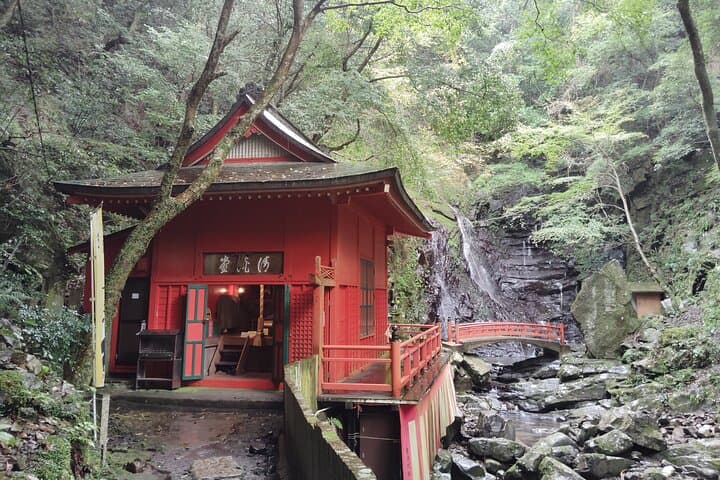
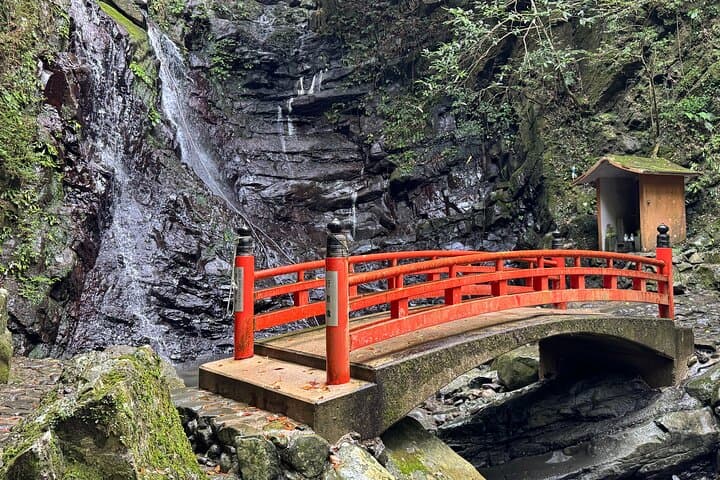
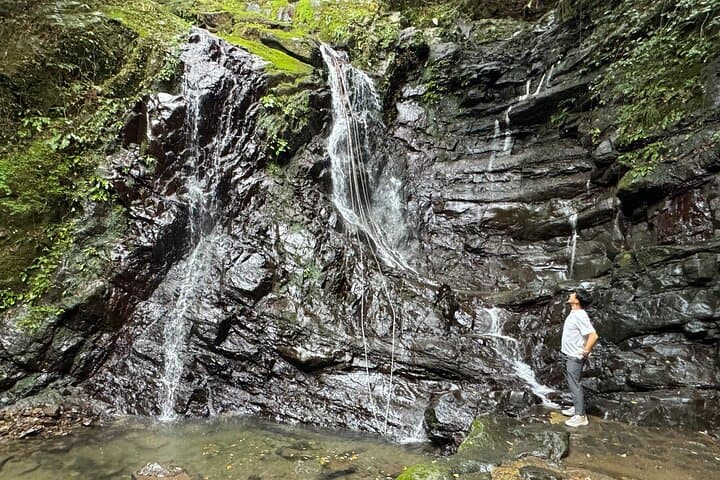
A cool spray from Gyoja-no-Taki meets your face before the trail opens fully — the waterfall dares you to slow down. You step off the low road from Kansai International Airport and into a steep, stone path carpeted with moss and the silence of cedars. The forest narrows; every footfall echoes the steps of ascetics who trained here for centuries.
Verified experiences and guided adventures in the surrounding area.
Operated by DeepExperience · Izumisano, Osaka Prefecture
A cool spray from Gyoja-no-Taki meets your face before the trail opens fully — the waterfall dares you to slow down. You step off the low road from Kansai International Airport and into a steep, stone path carpeted with moss and the silence of cedars. The forest narrows; every footfall echoes the steps of ascetics who trained here for centuries.
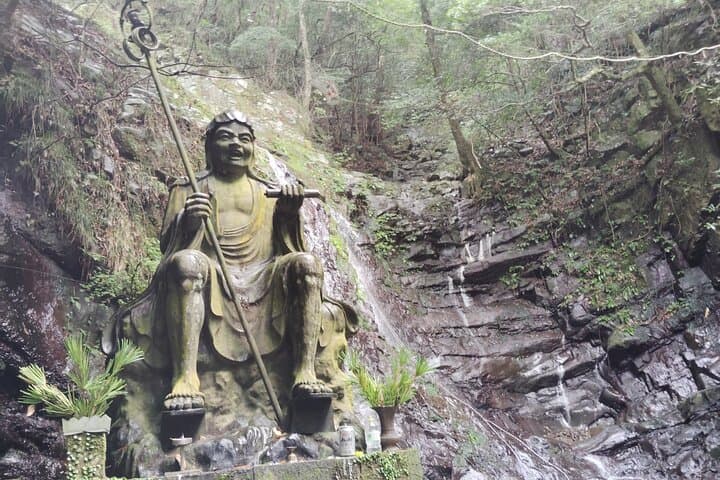
Shipporyu-ji sits on the flanks of Mount Inunaki and traces its roots back well over a millennium as a focal point for Shugendo, a syncretic practice blending esoteric Buddhism and mountain worship. The geology is typical of Osaka’s inland hills: weathered volcanic and sedimentary outcrops, narrow ravines carved by seasonal streams, and waterfalls that concentrate both water energy and ritual focus.
Culturally the site remains austerely managed — few modern trappings, no souvenir stalls — and the ritual of misogi (water purification) still takes place at the falls. Local guides explain the symbolism of wooden prayer slips, the lines of stone markers, and why certain trees are treated as living landmarks.
Practical guidance: this private, roughly three‑hour walk includes short steep sections and slippery stone steps, so wear shoes with good grip and bring a light rain shell. Go early in the day for softer light and fewer people; restroom facilities are limited, and mobile reception can be patchy in the valley. Respect the temple’s quiet and any ongoing rituals: keep voices low and follow your guide’s directions. With basic preparation this short excursion delivers a concentrated encounter with Japan’s mountain spirituality and the elemental power of falling water.
moderate.
3 hours.
Basic hiking fitness; able to manage short steep sections and uneven, slippery stone steps.
Most visitors take a short private transfer or taxi; public transport options require local trains plus a short bus or taxi and may lengthen transfer time.
Yes — the route is physically moderate, but the stone steps can be steep; children and older visitors should move at their own pace and use walking poles if needed.
Misogi is a living practice and not always open to casual participation; ask your guide in advance—some temples allow observation, while participation usually requires prior arrangement.
Facilities are limited within the temple precincts; plan to use restrooms before arrival and bring snacks or water for the walk.
Shipporyu-ji is an ancient mountain temple tied to Shugendo practices; the site has been used for ascetic training for well over a thousand years.
Stay on designated paths to protect fragile moss and root systems; the temple relies on respectful visitors to preserve both ritual and natural features.
DeepExperience operates guided outdoor trips and adventures with an emphasis on safety, stewardship, and memorable experiences.
A cool spray from Gyoja-no-Taki meets your face before the trail opens fully — the waterfall dares you to slow down. You step off the low road from Kansai International Airport and into a steep, stone path carpeted with moss and the silence of cedars. The forest narrows; every footfall echoes the steps of ascetics who trained here for centuries.
A cool spray from Gyoja-no-Taki meets your face before the trail opens fully — the waterfall dares you to slow down. You step off the low road from Kansai International Airport and into a steep, stone path carpeted with moss and the silence of cedars. The forest narrows; every footfall echoes the steps of ascetics who trained here for centuries.
Shipporyu-ji sits on the flanks of Mount Inunaki and traces its roots back well over a millennium as a focal point for Shugendo, a syncretic practice blending esoteric Buddhism and mountain worship. The geology is typical of Osaka’s inland hills: weathered volcanic and sedimentary outcrops, narrow ravines carved by seasonal streams, and waterfalls that concentrate both water energy and ritual focus.
Culturally the site remains austerely managed — few modern trappings, no souvenir stalls — and the ritual of misogi (water purification) still takes place at the falls. Local guides explain the symbolism of wooden prayer slips, the lines of stone markers, and why certain trees are treated as living landmarks.
Practical guidance: this private, roughly three‑hour walk includes short steep sections and slippery stone steps, so wear shoes with good grip and bring a light rain shell. Go early in the day for softer light and fewer people; restroom facilities are limited, and mobile reception can be patchy in the valley. Respect the temple’s quiet and any ongoing rituals: keep voices low and follow your guide’s directions. With basic preparation this short excursion delivers a concentrated encounter with Japan’s mountain spirituality and the elemental power of falling water.