THE ADVENTURE COLLECTIVE® · Independent discovery and booking for outdoor travel

See the giant hulls and coastal yards that make Chittagong one of the world’s largest ship recycling hubs. This two-day tour from Dhaka pairs industrial shoreline views by boat with historic stops in Sonargaon and a guided Chittagong city tour.
See the giant hulls and coastal yards that make Chittagong one of the world’s largest ship recycling hubs. This two-day tour from Dhaka pairs industrial shoreline views by boat with historic stops in Sonargaon and a guided Chittagong city tour.
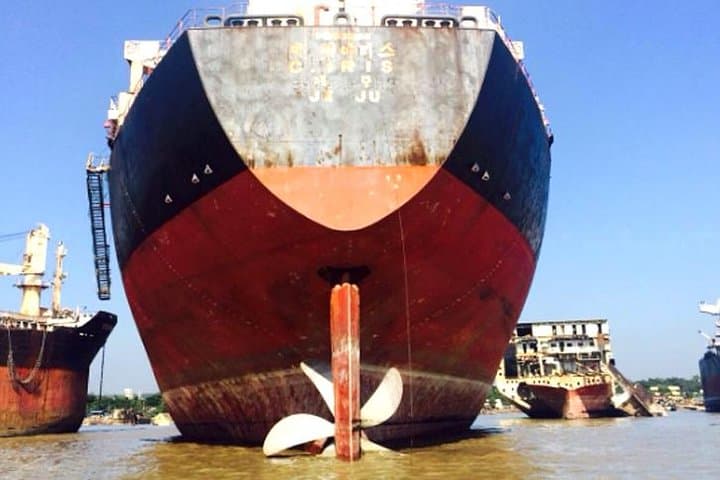
You step off the highway as the smell of salt and oil lifts from the Bay of Bengal; corrugated hulls lean like enormous skeletons along a muddy shoreline and a converted lifeboat cuts through low tide to give you a close look.
Verified experiences and guided adventures in the surrounding area.
Operated by Deshghuri.com · Chittagong, Chattogram Division
You step off the highway as the smell of salt and oil lifts from the Bay of Bengal; corrugated hulls lean like enormous skeletons along a muddy shoreline and a converted lifeboat cuts through low tide to give you a close look.
This two-day route runs from Dhaka to the shipbreaking stretch near Vatiary and Chittagong, threading stops through Sonargaon’s craft museum, Panam Nagar’s abandoned merchant lanes and a centuries‑old mosque before the coast. The shipbreaking yards here grew with global demand for recycled steel; enormous ocean liners and cargo ships are beached, cut and repurposed in a gritty industrial choreography that’s part local economy, part controversial global supply chain.
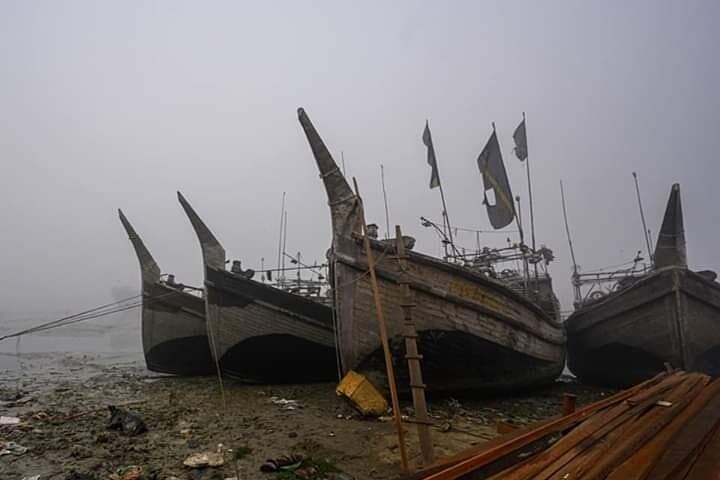
Geology and tides decide what you see: wide tidal flats and silted channels make boat approaches the only safe way to scope the yards; sandstone outcrops and mangrove fringes anchor the shoreline nearby. Chittagong’s colonial-era buildings and World War II cemetery add a civic layer to the coastal industry.
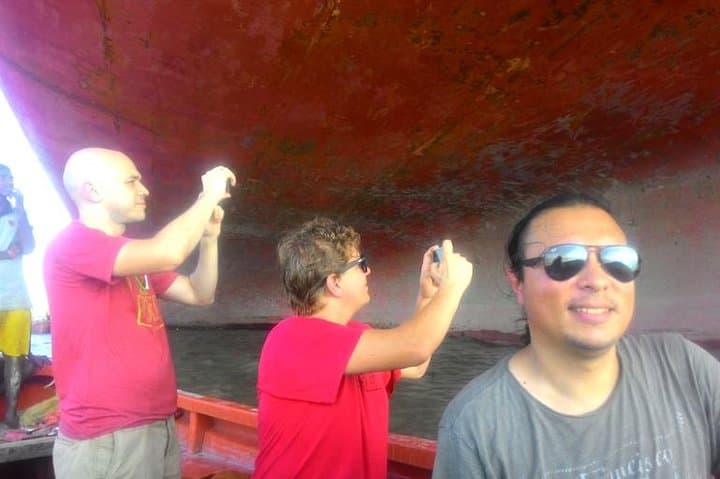
Practical guidance: the yard has no visitor facilities and footing ashore is irregular and muddy, so expect an hour or so on a low-slung boat near the beached vessels, followed by an overnight in Chittagong and a guided city tour the next day. Bring closed‑toe shoes, sun protection, motion‑sickness meds and cash for small purchases. Guides handle permissions and safety briefings; follow them closely around heavy metal, rust and active work crews.
The result is an industrial seascape that challenges expectations—part environmental case study, part hands‑on look at one of the world’s largest informal recycling zones, most vivid from the water and the hilltop coffee stop as the sun falls over the breakers.
moderate.
2 days.
Moderate fitness required—able to walk on uneven, sometimes muddy terrain and tolerate multiple hours in transit.
No—visitors are restricted from entering active yards; the tour views yards from boats or designated shore vantage points for safety and legal reasons.
No; the shipbreaking areas do not have bathrooms—use facilities in towns en route or in Chittagong before arrival.
Expect about 5–6 hours each way depending on traffic; the itinerary schedules stops to break the journey.
Guides provide safety briefings and life jackets for boat segments—follow instructions, keep distance from active crews and avoid touching debris.
Chittagong’s port has long been a commercial gateway; the shipbreaking industry expanded in the late 20th century as global ship disposal shifted to South Asian yards.
Shipbreaking raises environmental and worker-safety concerns—responsible operators minimize pollution and enforce PPE; visitors should avoid touching debris and support guides who prioritize safety and proper waste handling.
Deshghuri.com operates guided outdoor trips and adventures with an emphasis on safety, stewardship, and memorable experiences.
You step off the highway as the smell of salt and oil lifts from the Bay of Bengal; corrugated hulls lean like enormous skeletons along a muddy shoreline and a converted lifeboat cuts through low tide to give you a close look.
You step off the highway as the smell of salt and oil lifts from the Bay of Bengal; corrugated hulls lean like enormous skeletons along a muddy shoreline and a converted lifeboat cuts through low tide to give you a close look.
This two-day route runs from Dhaka to the shipbreaking stretch near Vatiary and Chittagong, threading stops through Sonargaon’s craft museum, Panam Nagar’s abandoned merchant lanes and a centuries‑old mosque before the coast. The shipbreaking yards here grew with global demand for recycled steel; enormous ocean liners and cargo ships are beached, cut and repurposed in a gritty industrial choreography that’s part local economy, part controversial global supply chain.
Geology and tides decide what you see: wide tidal flats and silted channels make boat approaches the only safe way to scope the yards; sandstone outcrops and mangrove fringes anchor the shoreline nearby. Chittagong’s colonial-era buildings and World War II cemetery add a civic layer to the coastal industry.
Practical guidance: the yard has no visitor facilities and footing ashore is irregular and muddy, so expect an hour or so on a low-slung boat near the beached vessels, followed by an overnight in Chittagong and a guided city tour the next day. Bring closed‑toe shoes, sun protection, motion‑sickness meds and cash for small purchases. Guides handle permissions and safety briefings; follow them closely around heavy metal, rust and active work crews.
The result is an industrial seascape that challenges expectations—part environmental case study, part hands‑on look at one of the world’s largest informal recycling zones, most vivid from the water and the hilltop coffee stop as the sun falls over the breakers.