THE ADVENTURE COLLECTIVE® · Independent discovery and booking for outdoor travel

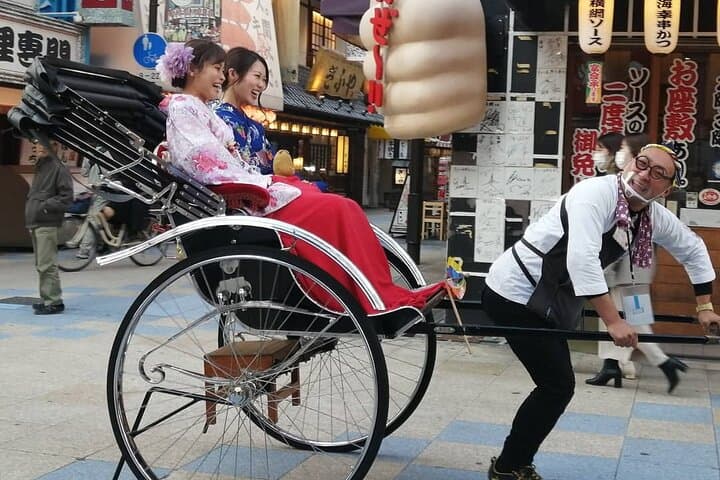
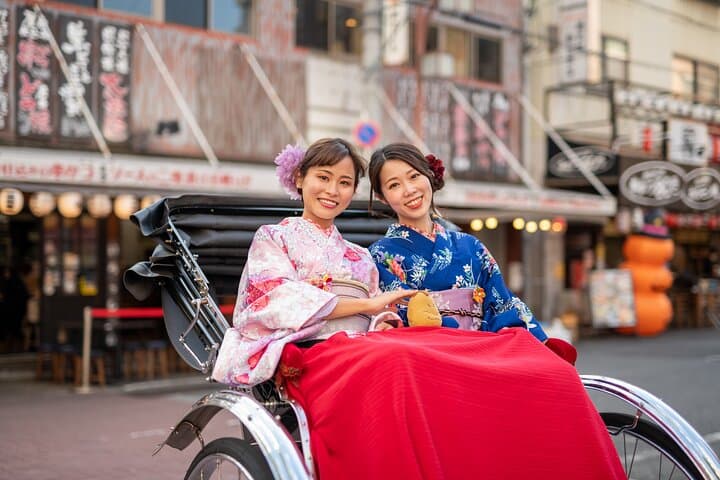
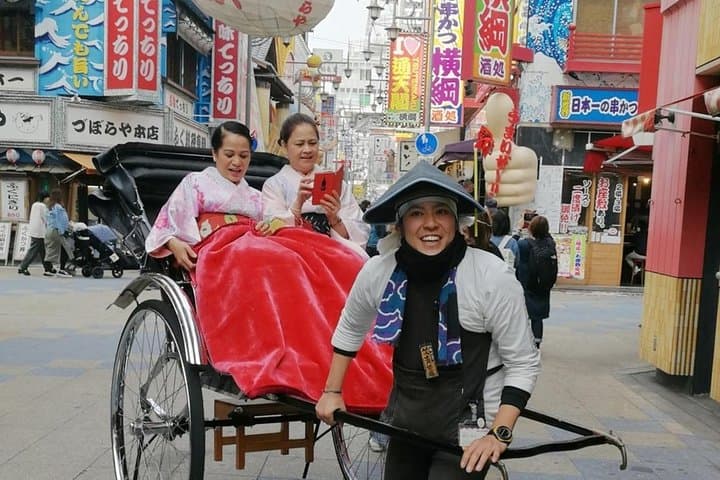
Dress in a traditional kimono and ride a human-powered rickshaw through Shinsekai, ending beneath the iconic Tsutenkaku tower. This 90-minute private experience includes dressing assistance and time to explore Osaka’s energetic street life.
Dress in a traditional kimono and ride a human-powered rickshaw through Shinsekai, ending beneath the iconic Tsutenkaku tower. This 90-minute private experience includes dressing assistance and time to explore Osaka’s energetic street life.
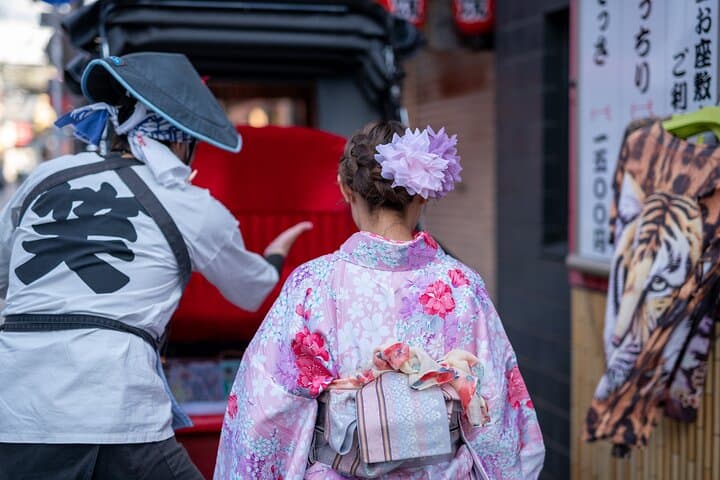
The first step out of the red-tented shop is a small, deliberate dislocation: you’re dressed in bright silk, wooden sandals tapping on an asphalt street under the shadow of Tsutenkaku.
Verified experiences and guided adventures in the surrounding area.
Operated by Kimono and Japanese culture Experience · Osaka, Osaka Prefecture
The first step out of the red-tented shop is a small, deliberate dislocation: you’re dressed in bright silk, wooden sandals tapping on an asphalt street under the shadow of Tsutenkaku.
Shinsekai was laid out in the early 20th century as Osaka’s bold entertainment district; its streets still carry that working‑city energy—neon signs, kushikatsu stands, and a patchwork of Showa-era facades. The rickshaw you ride is a living echo of the Meiji era jinrikisha, a human-powered vehicle that once threaded Japan’s city streets. Wearing a kimono here, guided by attendants who help with folds and obi knots, connects you to urban rituals that have been both practical dress and cultural performance for generations.
The short 20-minute rickshaw circuit is compact—you’ll pass narrow lanes, local shops, and drop off beneath Tsutenkaku’s lattice tower for photos and a stroll. Expect cobbles, curbs, and crowds; Shinsekai is lively and sensory, not a quiet shrine. Practicalities matter: the operator provides over 100 kimono options and full dressing assistance; the tour lasts about 90 minutes total with time to wander afterward.
Plan for mobility limits when choosing footwear—traditional sandals change balance and walking pace. Bring a compact bag for your phone and wallet; photographers will find compelling contrasts of color and texture around every corner. Respect local customs: speak softly when asked, and remove shoes where indicated. This is an urban, low‑effort cultural outing—rich for photographers and anyone curious about Osaka’s living streets.
easy.
1–1.5 hours.
Suitable for most fitness levels; requires short standing and walking periods while dressed in kimono.
The full experience is about 90 minutes: kimono selection and dressing, a roughly 20-minute rickshaw ride, and free time to walk Shinsekai before returning to the meeting point.
Yes—the operator supplies kimono from a large collection and assists with dressing, including obi tying and accessories.
The ride finishes near the base of Tsutenkaku Tower, giving you a convenient landmark for photos and exploring the surrounding streets.
Infants must sit on an adult’s lap; notify the operator at booking to confirm arrangements and any safety considerations.
Shinsekai was developed in the early 1900s as a modern entertainment district; its layered postwar architecture reflects Osaka’s industrial and social evolution.
The area is urban—visitors are asked to minimize litter and follow local signage; supporting small businesses here helps sustain the neighborhood’s character.
Kimono and Japanese culture Experience operates guided outdoor trips and adventures with an emphasis on safety, stewardship, and memorable experiences.
The first step out of the red-tented shop is a small, deliberate dislocation: you’re dressed in bright silk, wooden sandals tapping on an asphalt street under the shadow of Tsutenkaku.
The first step out of the red-tented shop is a small, deliberate dislocation: you’re dressed in bright silk, wooden sandals tapping on an asphalt street under the shadow of Tsutenkaku.
Shinsekai was laid out in the early 20th century as Osaka’s bold entertainment district; its streets still carry that working‑city energy—neon signs, kushikatsu stands, and a patchwork of Showa-era facades. The rickshaw you ride is a living echo of the Meiji era jinrikisha, a human-powered vehicle that once threaded Japan’s city streets. Wearing a kimono here, guided by attendants who help with folds and obi knots, connects you to urban rituals that have been both practical dress and cultural performance for generations.
The short 20-minute rickshaw circuit is compact—you’ll pass narrow lanes, local shops, and drop off beneath Tsutenkaku’s lattice tower for photos and a stroll. Expect cobbles, curbs, and crowds; Shinsekai is lively and sensory, not a quiet shrine. Practicalities matter: the operator provides over 100 kimono options and full dressing assistance; the tour lasts about 90 minutes total with time to wander afterward.
Plan for mobility limits when choosing footwear—traditional sandals change balance and walking pace. Bring a compact bag for your phone and wallet; photographers will find compelling contrasts of color and texture around every corner. Respect local customs: speak softly when asked, and remove shoes where indicated. This is an urban, low‑effort cultural outing—rich for photographers and anyone curious about Osaka’s living streets.