THE ADVENTURE COLLECTIVE® · Independent discovery and booking for outdoor travel

Step into an Arctic birch wood outside Tromsø for a guided Shinrin-Yoku session that blends Japanese forest-bathing practice with boreal landscape. Slow walking, sensory exercises, and brief science-backed lessons on terpenes and forest microbes aim to lower stress and sharpen focus.
Step into an Arctic birch wood outside Tromsø for a guided Shinrin-Yoku session that blends Japanese forest-bathing practice with boreal landscape. Slow walking, sensory exercises, and brief science-backed lessons on terpenes and forest microbes aim to lower stress and sharpen focus.
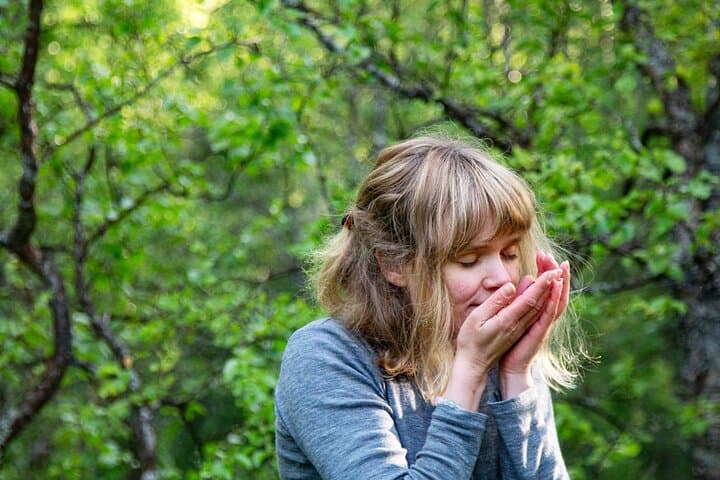
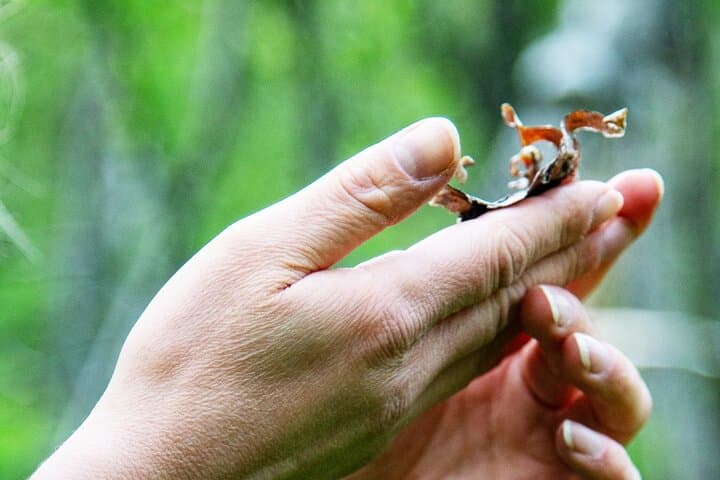
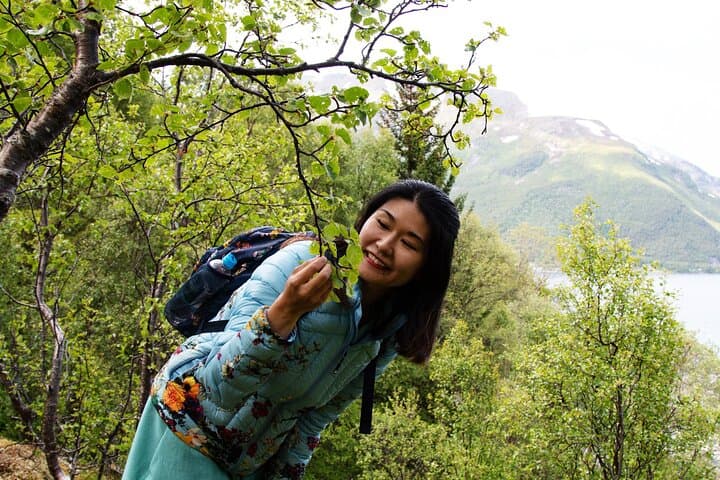
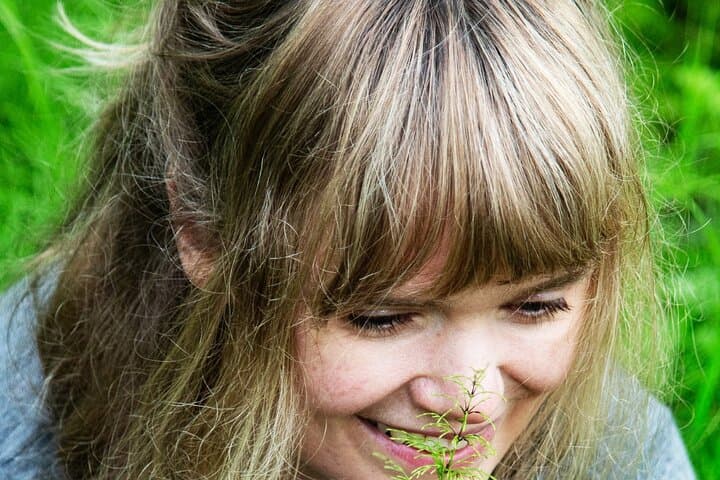
A thin Arctic light filters between silver birch trunks as you step from the parked van into a forest that smells sharply of resin and damp earth. The guide gestures for silence and the group dissolves into the sound of footfall and distant surf; the forest begins to do the work. Slow, intentional walking and sensory prompts steer attention toward the texture of bark, the cold metallic tang of northern air, and the tiny, steady life at your feet.
Verified experiences and guided adventures in the surrounding area.
Operated by Tromsø Activities · Tromsø, Troms og Finnmark
A thin Arctic light filters between silver birch trunks as you step from the parked van into a forest that smells sharply of resin and damp earth. The guide gestures for silence and the group dissolves into the sound of footfall and distant surf; the forest begins to do the work. Slow, intentional walking and sensory prompts steer attention toward the texture of bark, the cold metallic tang of northern air, and the tiny, steady life at your feet.
Shinrin-Yoku—forest bathing—originated in Japan in the 1980s as a public-health practice; here in Tromsø its methods meet boreal terrain: birch stands, moss-carpeted duff, and pockets of pine where terpenes are more concentrated. This coastline-adjacent forest has been used for foraging and seasonal travel by coastal communities and Sámi peoples for generations, and its geology—glacially scoured bedrock and thin soils—creates intimate, low-canopy woods ideal for sensory work.
Expect a gentle, guided program: a short transfer from Tromsø, three hours of slow walking and seated mindfulness, and brief educational moments about forest chemistry and wellbeing. The pace is intentionally unhurried; boots on soft trails, small group conversation, and quiet solo prompts are typical.
Practical notes: dress for sudden wind and damp undergrowth, carry water and layered insulation, and plan for up to five hours total including transport. In winter, darkness and cold change rhythm—trust the guide’s cadence and bring traction. The value here is unforced presence: the forest nudges you toward lower stress and clearer thinking if you let it.
easy.
3–5 hours.
Suitable for most fitness levels; requires the ability to walk slowly on uneven ground for several hours.
The full program is listed at about five hours from meeting to return, with roughly three hours in the forest and time for transport and orientation.
The practice is gentle and suitable for many ages, but check with the operator about specific mobility needs; trails can be uneven and require short walks.
Guides provide instruction in English and German; the tour description notes multilingual guidance and simple, nature-based prompts rather than dense written materials.
Operators typically allow cancellations for full refund at least 24 hours prior; poor weather can also cause rescheduling or cancellation for safety and comfort.
Shinrin-Yoku was developed in Japan in the 1980s as a preventive public-health practice; in Tromsø the approach is adapted to boreal birch and pine stands long used by coastal and Sámi communities.
Groups are kept small and guided to minimize trampling; follow Leave No Trace principles, stick to informal paths used by operators, and avoid collecting plant material to protect fragile ground soil and microbiomes.
Tromsø Activities operates guided outdoor trips and adventures with an emphasis on safety, stewardship, and memorable experiences.
A thin Arctic light filters between silver birch trunks as you step from the parked van into a forest that smells sharply of resin and damp earth. The guide gestures for silence and the group dissolves into the sound of footfall and distant surf; the forest begins to do the work. Slow, intentional walking and sensory prompts steer attention toward the texture of bark, the cold metallic tang of northern air, and the tiny, steady life at your feet.
A thin Arctic light filters between silver birch trunks as you step from the parked van into a forest that smells sharply of resin and damp earth. The guide gestures for silence and the group dissolves into the sound of footfall and distant surf; the forest begins to do the work. Slow, intentional walking and sensory prompts steer attention toward the texture of bark, the cold metallic tang of northern air, and the tiny, steady life at your feet.
Shinrin-Yoku—forest bathing—originated in Japan in the 1980s as a public-health practice; here in Tromsø its methods meet boreal terrain: birch stands, moss-carpeted duff, and pockets of pine where terpenes are more concentrated. This coastline-adjacent forest has been used for foraging and seasonal travel by coastal communities and Sámi peoples for generations, and its geology—glacially scoured bedrock and thin soils—creates intimate, low-canopy woods ideal for sensory work.
Expect a gentle, guided program: a short transfer from Tromsø, three hours of slow walking and seated mindfulness, and brief educational moments about forest chemistry and wellbeing. The pace is intentionally unhurried; boots on soft trails, small group conversation, and quiet solo prompts are typical.
Practical notes: dress for sudden wind and damp undergrowth, carry water and layered insulation, and plan for up to five hours total including transport. In winter, darkness and cold change rhythm—trust the guide’s cadence and bring traction. The value here is unforced presence: the forest nudges you toward lower stress and clearer thinking if you let it.