THE ADVENTURE COLLECTIVE® · Independent discovery and booking for outdoor travel

Train with replica swords in a traditional dojo setting and explore samurai armor at an included museum tour. This two-hour Shinjuku experience blends hands-on Iaido practice with historical context, all within walking distance of Shinjuku Station.
Train with replica swords in a traditional dojo setting and explore samurai armor at an included museum tour. This two-hour Shinjuku experience blends hands-on Iaido practice with historical context, all within walking distance of Shinjuku Station.
The room smells faintly of polished wood and oil; light from paper windows slices the dojo into steady bands. Participants file in, trade city shoes for socks, and the replica swords catch the glare like something that remembers strict order. For two hours the Shinjuku space slows Tokyo’s pace: instructors call commands, blades move in precise arcs, and visitors feel the cadence of Iaido—intent, clean, and measured.
Verified experiences and guided adventures in the surrounding area.
Operated by Maikoya · Shinjuku, Tokyo
The room smells faintly of polished wood and oil; light from paper windows slices the dojo into steady bands. Participants file in, trade city shoes for socks, and the replica swords catch the glare like something that remembers strict order. For two hours the Shinjuku space slows Tokyo’s pace: instructors call commands, blades move in precise arcs, and visitors feel the cadence of Iaido—intent, clean, and measured.
This experience pairs hands-on training with a short history tour of samurai armor and weaponry. Samurai culture and the code of bushidō evolved during Japan’s medieval and early-modern periods; many techniques taught today are ceremonial descendants of battlefield practice. Geologically, Tokyo sits on the Kanto plain, a layered urban ground that turned Edo into a transport hub—today that accessibility makes this traditional practice surprisingly easy to reach from Shinjuku Station.
Expect a practical lesson: don a hakama provided by the venue, learn basic draws and cuts with safe replicas, and try a controlled partner drill. The included museum ticket covers exhibits of armor, swords, and a guided history talk that explains social context and craft. Sessions cap at 22 people and are suitable for students aged 6 and up; the space is wheelchair accessible.
Plan to arrive 10–15 minutes early, wear breathable clothes you can move in, and leave valuables in nearby lockers. Photography is usually allowed in exhibit areas but follow instructor directions during class. This is a compact, tactile way to understand samurai technique and Tokyo’s living history without leaving the city.
easy.
2 hours.
Suitable for most fitness levels; basic mobility and ability to kneel briefly are enough.
Children under 6 are not permitted; the activity is generally suitable for ages 6 and up with parental supervision.
Participants use safe replica swords for training; instructors supervise all handling and partner drills to minimize risk.
Yes, the facility is listed as wheelchair accessible and can accommodate mobility needs—notify the operator of any special requirements when booking.
Instruction is typically offered in English and Japanese; basic commands are taught and demonstrations reduce the need for language fluency, but check language options when booking.
The samurai class shaped Japan’s military and social codes from the Heian through the Edo periods; modern Iaido preserves ritualized sword-drawing techniques rooted in that history.
The museum emphasizes artifact preservation and respectful handling; visitors are encouraged to use public transit and minimize waste during visits.
Maikoya operates guided outdoor trips and adventures with an emphasis on safety, stewardship, and memorable experiences.
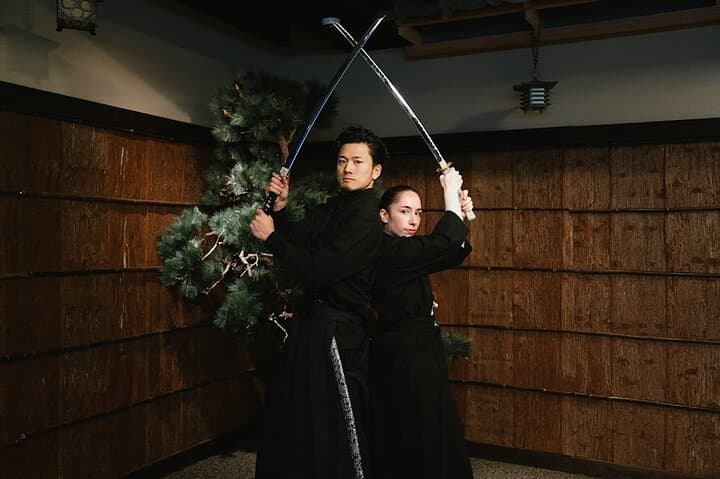
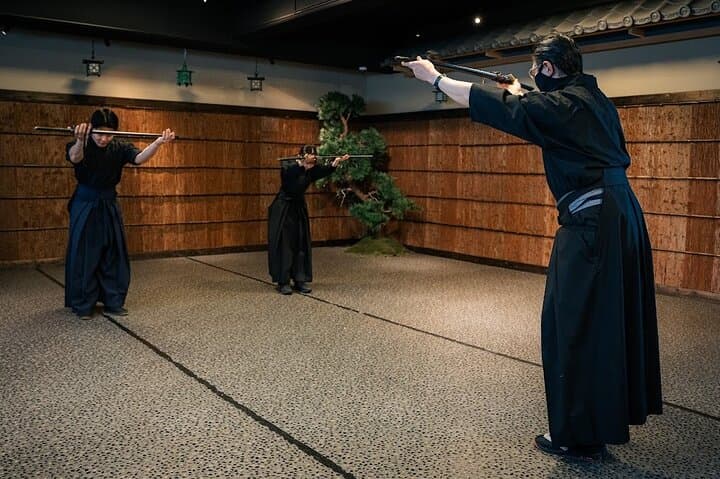
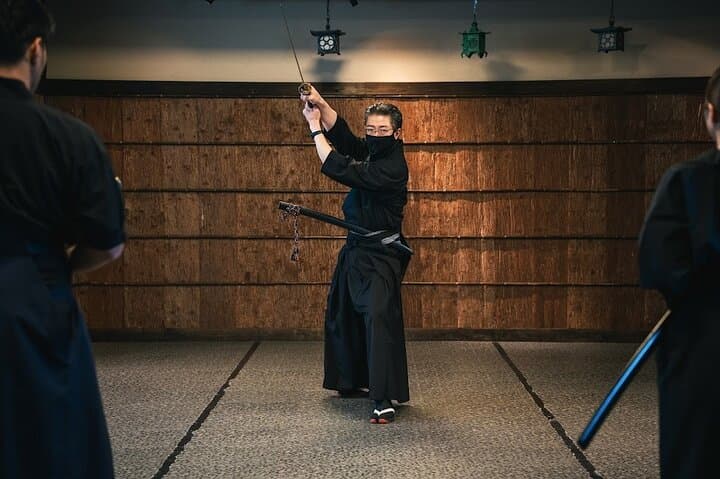
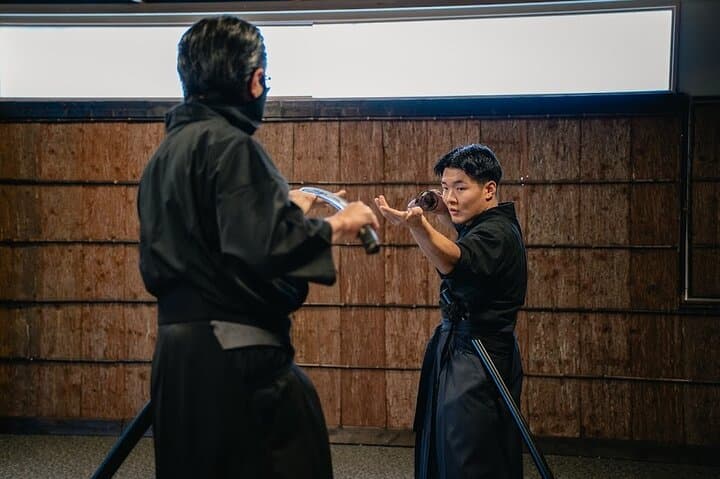
The room smells faintly of polished wood and oil; light from paper windows slices the dojo into steady bands. Participants file in, trade city shoes for socks, and the replica swords catch the glare like something that remembers strict order. For two hours the Shinjuku space slows Tokyo’s pace: instructors call commands, blades move in precise arcs, and visitors feel the cadence of Iaido—intent, clean, and measured.
The room smells faintly of polished wood and oil; light from paper windows slices the dojo into steady bands. Participants file in, trade city shoes for socks, and the replica swords catch the glare like something that remembers strict order. For two hours the Shinjuku space slows Tokyo’s pace: instructors call commands, blades move in precise arcs, and visitors feel the cadence of Iaido—intent, clean, and measured.
This experience pairs hands-on training with a short history tour of samurai armor and weaponry. Samurai culture and the code of bushidō evolved during Japan’s medieval and early-modern periods; many techniques taught today are ceremonial descendants of battlefield practice. Geologically, Tokyo sits on the Kanto plain, a layered urban ground that turned Edo into a transport hub—today that accessibility makes this traditional practice surprisingly easy to reach from Shinjuku Station.
Expect a practical lesson: don a hakama provided by the venue, learn basic draws and cuts with safe replicas, and try a controlled partner drill. The included museum ticket covers exhibits of armor, swords, and a guided history talk that explains social context and craft. Sessions cap at 22 people and are suitable for students aged 6 and up; the space is wheelchair accessible.
Plan to arrive 10–15 minutes early, wear breathable clothes you can move in, and leave valuables in nearby lockers. Photography is usually allowed in exhibit areas but follow instructor directions during class. This is a compact, tactile way to understand samurai technique and Tokyo’s living history without leaving the city.