THE ADVENTURE COLLECTIVE® · Independent discovery and booking for outdoor travel

Walk Shinjuku's narrow night alleys with a local guide and move from neon thoroughfares to the intimate bars of Golden Gai and Omoide Yokocho. Learn the area's post-war history and local nightlife culture while keeping the tour practical and accessible.
Walk Shinjuku's narrow night alleys with a local guide and move from neon thoroughfares to the intimate bars of Golden Gai and Omoide Yokocho. Learn the area's post-war history and local nightlife culture while keeping the tour practical and accessible.
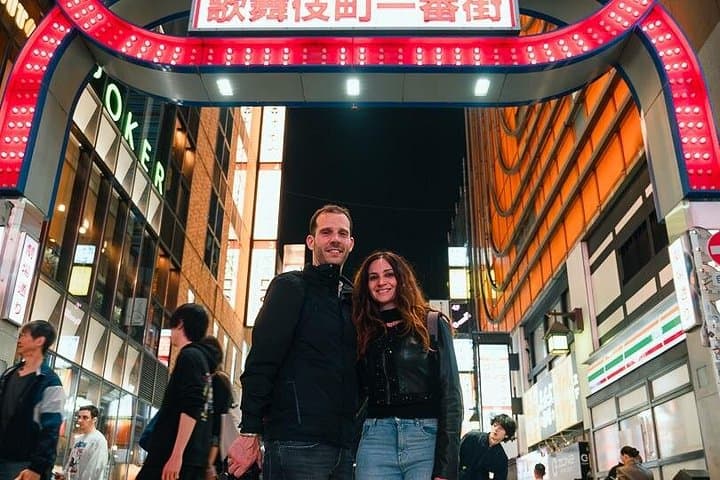
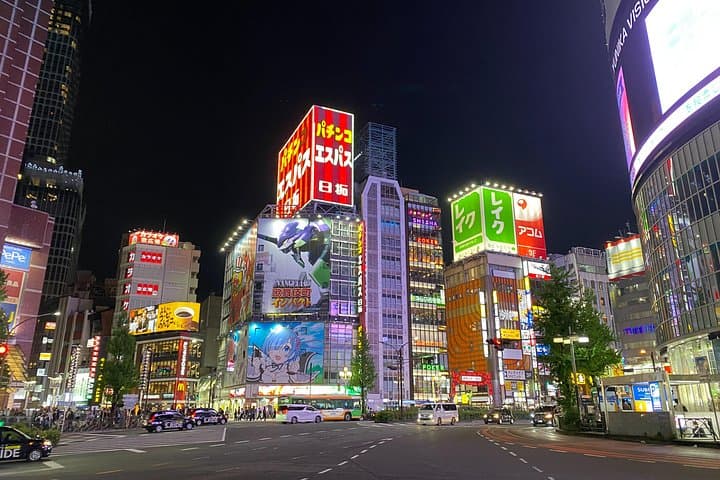
The neon breathes slow as you step out of Shinjuku Station; a chorus of vending machines, distant train horns and the Godzilla head's silhouette set the scene as the guide leads the group down a narrowing alley.
Verified experiences and guided adventures in the surrounding area.
Operated by YURAGI · Tokyo, Tokyo
The neon breathes slow as you step out of Shinjuku Station; a chorus of vending machines, distant train horns and the Godzilla head's silhouette set the scene as the guide leads the group down a narrowing alley.
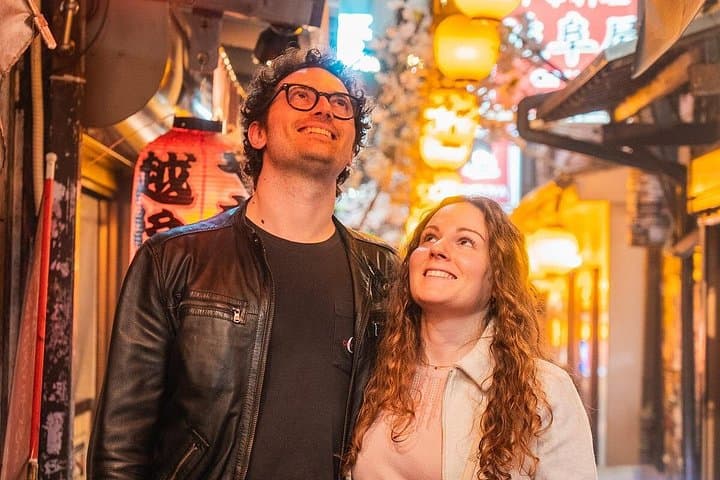
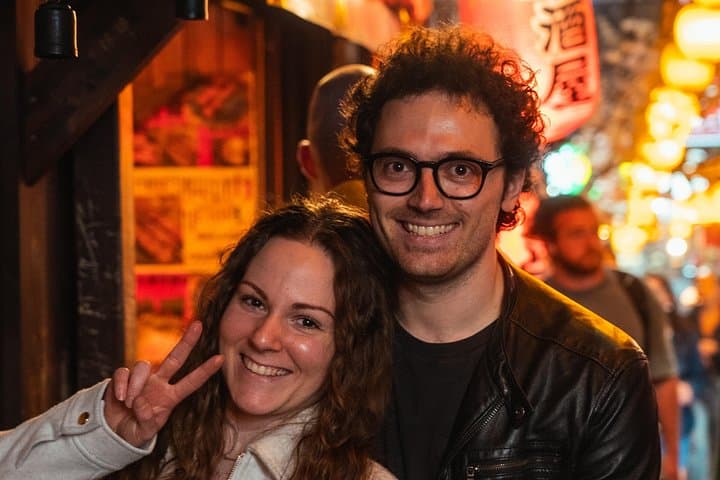
On this 2-hour night walk you move from broad avenues into intimate lanes where post-war wood-and-plate izakayas press shoulder-to-shoulder. Omoide Yokocho still carries the texture of Tokyo after 1945—charred timbers, low stools and the smell of yakitori—while Golden Gai crowds over 200 micro-bars into an area no wider than a city block, each with its own personality. Hanazono Shrine provides a brief cultural counterpoint: a calm courtyard and torii gates that highlight Shinjuku's layers of history, from Edo-period development to rapid 20th-century reconstruction.
The geology here is urban: reclaimed flats, concrete layers and the engineered hum of transit lines, but it's the human scale—narrow alleys, tiny doorways, neon signage—that shapes how the night feels. Local guides narrate subculture stories, from post-war salarymen haunts to modern queer nightlife in nearby Nichome.
Practical notes: the route is short and mostly flat, suitable for most walkers; expect standing-room bars if you join crowds after the tour. Wear comfortable shoes, carry cash (many tiny bars are cash-only), and bring a light jacket — temperatures and humidity shift quickly after trains stop. Respect small businesses: photography is welcome, but ask before shooting inside bars. Arrive charged and curious; the city rewards attention.
easy.
2 hours.
Suitable for most fitness levels; involves walking and occasional standing in bars
The listed experience is a 2-hour night walk; confirm local meeting and finish times with the operator when you book.
Yes—terrain is flat and the pace is gentle, but note that some venues are adult-oriented and not appropriate for young children.
The tour focuses on walking and storytelling; entrance to bars or purchases are usually optional and at your expense—check with the operator for any inclusions.
Very close—Shinjuku Station and adjacent subway stops are within easy walking distance to the meeting point and the tour route.
Shinjuku’s current nightscape grew from post-war reconstruction and rapid 20th-century urbanization; Golden Gai evolved into a micro‑bar district after WWII and retains much of its small-scale fabric.
Respect small businesses by carrying out trash and keeping noise down; avoid blocking narrow alleys and follow local rules about photography and smoking.
YURAGI operates guided outdoor trips and adventures with an emphasis on safety, stewardship, and memorable experiences.
The neon breathes slow as you step out of Shinjuku Station; a chorus of vending machines, distant train horns and the Godzilla head's silhouette set the scene as the guide leads the group down a narrowing alley.
The neon breathes slow as you step out of Shinjuku Station; a chorus of vending machines, distant train horns and the Godzilla head's silhouette set the scene as the guide leads the group down a narrowing alley.
On this 2-hour night walk you move from broad avenues into intimate lanes where post-war wood-and-plate izakayas press shoulder-to-shoulder. Omoide Yokocho still carries the texture of Tokyo after 1945—charred timbers, low stools and the smell of yakitori—while Golden Gai crowds over 200 micro-bars into an area no wider than a city block, each with its own personality. Hanazono Shrine provides a brief cultural counterpoint: a calm courtyard and torii gates that highlight Shinjuku's layers of history, from Edo-period development to rapid 20th-century reconstruction.
The geology here is urban: reclaimed flats, concrete layers and the engineered hum of transit lines, but it's the human scale—narrow alleys, tiny doorways, neon signage—that shapes how the night feels. Local guides narrate subculture stories, from post-war salarymen haunts to modern queer nightlife in nearby Nichome.
Practical notes: the route is short and mostly flat, suitable for most walkers; expect standing-room bars if you join crowds after the tour. Wear comfortable shoes, carry cash (many tiny bars are cash-only), and bring a light jacket — temperatures and humidity shift quickly after trains stop. Respect small businesses: photography is welcome, but ask before shooting inside bars. Arrive charged and curious; the city rewards attention.