THE ADVENTURE COLLECTIVE® · Independent discovery and booking for outdoor travel

Walk Shinjuku’s lantern alleys with a local guide and taste more than ten dishes across Memory Lane and Golden Gai. This three-hour tour pairs compact restaurants and historic bars with cultural stories and practical tips for navigating Tokyo’s lively night scene.
Walk Shinjuku’s lantern alleys with a local guide and taste more than ten dishes across Memory Lane and Golden Gai. This three-hour tour pairs compact restaurants and historic bars with cultural stories and practical tips for navigating Tokyo’s lively night scene.
The evening pulls you down a narrow lantern-lit alley and the city’s neon hum recedes to the chatter of cooks and clinking glasses. In Omoide Yokocho, smoke from charcoal-grilled yakitori dares you closer; in Golden Gai, tiny bars press bodies and conversation together until strangers feel like regulars.
Verified experiences and guided adventures in the surrounding area.
Operated by Traveling Tokyo · Tokyo, Tokyo
The evening pulls you down a narrow lantern-lit alley and the city’s neon hum recedes to the chatter of cooks and clinking glasses. In Omoide Yokocho, smoke from charcoal-grilled yakitori dares you closer; in Golden Gai, tiny bars press bodies and conversation together until strangers feel like regulars.
Shinjuku’s lanes are living pages of Tokyo’s post-war nightlife—compact izakayas and backstreet bars that grew around station workers and tule-roofed stalls. The geology of the area is urban: reclaimed plots and tight parcels carved from Edo-era roads, giving rise to the human-scale alleys you’ll walk. Culture here is tactile: menus scrawled on paper, bartenders who remember faces, and rituals around ordering rounds and sharing plates.
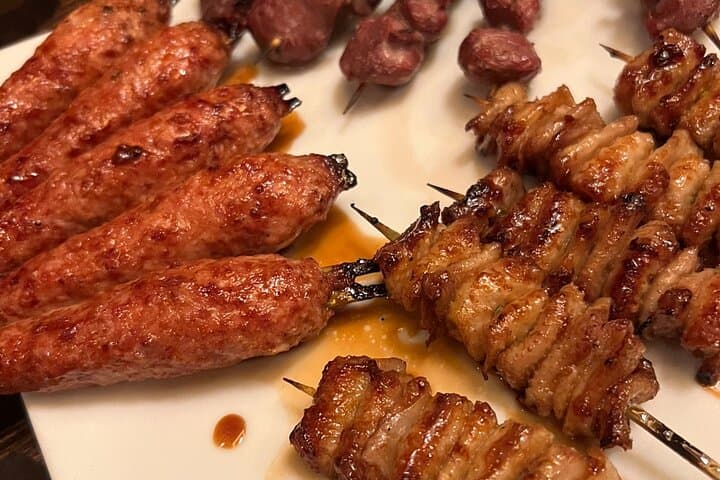
The guided walk lasts about three hours and covers roughly 1–2 miles of walking between stops, with frequent seated breaks for tasting 10+ dishes and samples of sake, shochu and local beers. Expect smoky yakitori, delicate sashimi, izakaya staples and seasonal small plates; non-alcoholic options are available for under-20s.
Practical edge: bring cash—many tiny bars prefer it—wear comfortable shoes for uneven cobblestones and standing counters, and flag dietary restrictions ahead of time. Tours move at an easy pace but include tight spaces and stairs; travelers with mobility constraints should check with the operator.
Timing matters: evenings after 6pm are atmospheric and busy; weekdays are slightly calmer. Respect local customs—remove large backpacks to keep aisles clear, accept that some bars limit group size, and plan for a polite, pay-at-exit tipping culture (tipping is not customary). This is urban exploration with your taste buds leading the way.
easy.
3 hours.
Suitable for most walkers; light urban walking over short distances with occasional stairs and standing periods.
The tour is about three hours and covers roughly 1–2 miles with multiple short stops; pace is relaxed with seated tastings.
Yes—vegetarian, vegan and gluten-free requests can be accommodated if noted at booking; the guide will steer you to suitable dishes.
Meet near Shinjuku station (central exits) with easy access by JR, subway and private rail; exact meeting details are provided on booking confirmation.
Tipping is not customary in Japan; payments cover the tour and tastings—small personal gestures are appreciated but not required.
Omoide Yokocho and Golden Gai grew after World War II as compact drinking and eating districts for workers; many venues retain their tiny footprints and old-school service styles.
Shinjuku values cleanliness—restaurants rarely provide public bins, so carry a small trash bag and minimize single-use plastics; support local businesses by respecting house rules and capacities.
Traveling Tokyo operates guided outdoor trips and adventures with an emphasis on safety, stewardship, and memorable experiences.
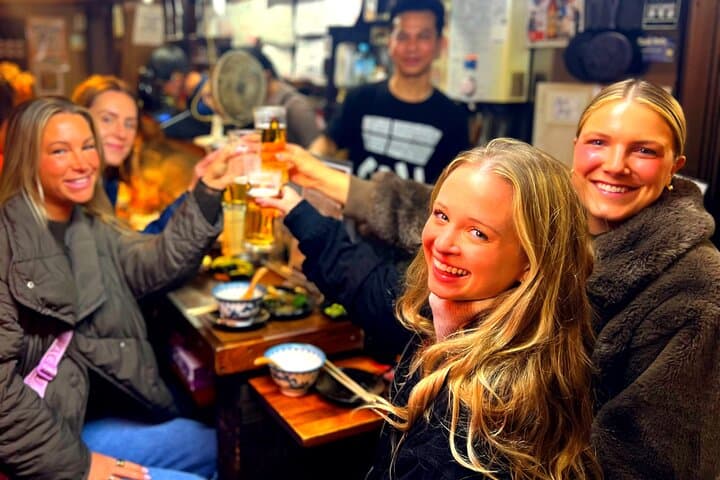
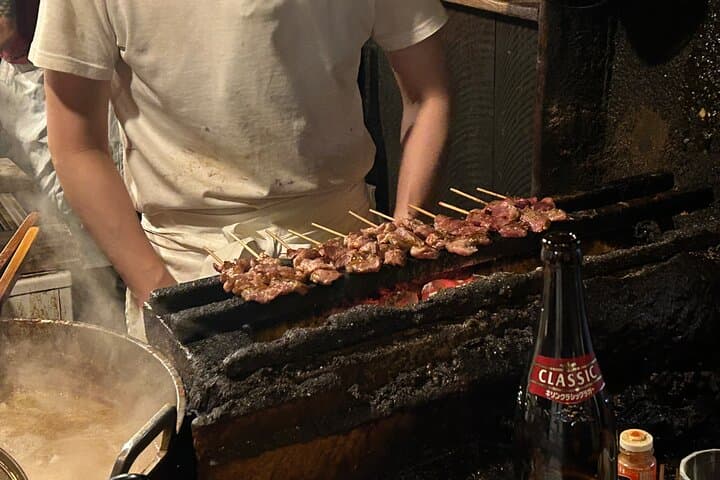
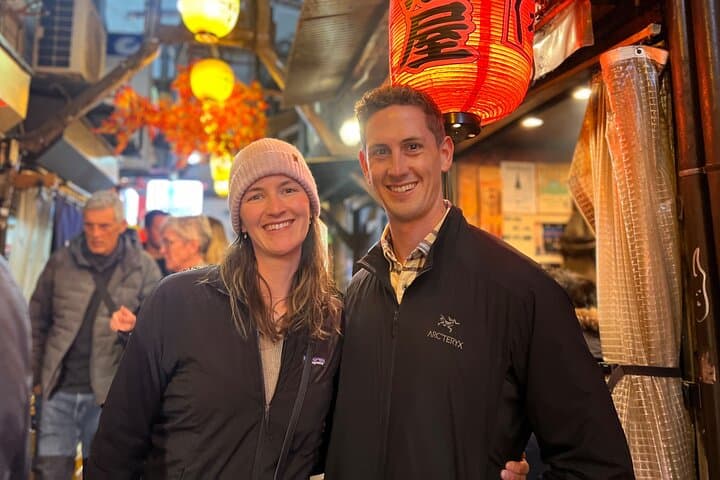
The evening pulls you down a narrow lantern-lit alley and the city’s neon hum recedes to the chatter of cooks and clinking glasses. In Omoide Yokocho, smoke from charcoal-grilled yakitori dares you closer; in Golden Gai, tiny bars press bodies and conversation together until strangers feel like regulars.
The evening pulls you down a narrow lantern-lit alley and the city’s neon hum recedes to the chatter of cooks and clinking glasses. In Omoide Yokocho, smoke from charcoal-grilled yakitori dares you closer; in Golden Gai, tiny bars press bodies and conversation together until strangers feel like regulars.
Shinjuku’s lanes are living pages of Tokyo’s post-war nightlife—compact izakayas and backstreet bars that grew around station workers and tule-roofed stalls. The geology of the area is urban: reclaimed plots and tight parcels carved from Edo-era roads, giving rise to the human-scale alleys you’ll walk. Culture here is tactile: menus scrawled on paper, bartenders who remember faces, and rituals around ordering rounds and sharing plates.
The guided walk lasts about three hours and covers roughly 1–2 miles of walking between stops, with frequent seated breaks for tasting 10+ dishes and samples of sake, shochu and local beers. Expect smoky yakitori, delicate sashimi, izakaya staples and seasonal small plates; non-alcoholic options are available for under-20s.
Practical edge: bring cash—many tiny bars prefer it—wear comfortable shoes for uneven cobblestones and standing counters, and flag dietary restrictions ahead of time. Tours move at an easy pace but include tight spaces and stairs; travelers with mobility constraints should check with the operator.
Timing matters: evenings after 6pm are atmospheric and busy; weekdays are slightly calmer. Respect local customs—remove large backpacks to keep aisles clear, accept that some bars limit group size, and plan for a polite, pay-at-exit tipping culture (tipping is not customary). This is urban exploration with your taste buds leading the way.