THE ADVENTURE COLLECTIVE® · Independent discovery and booking for outdoor travel

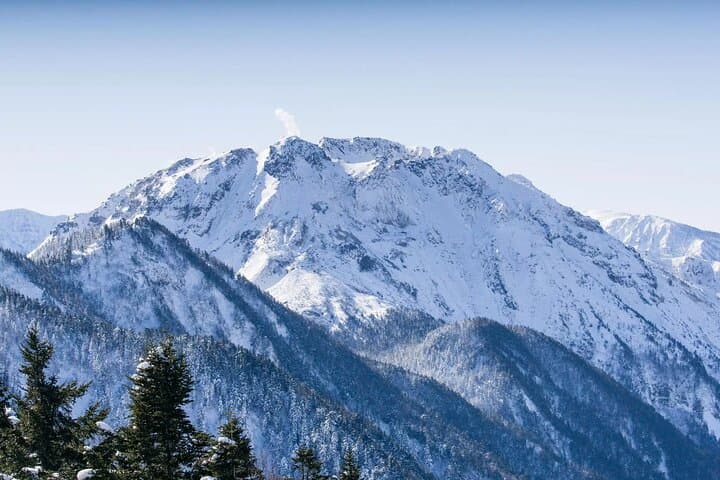
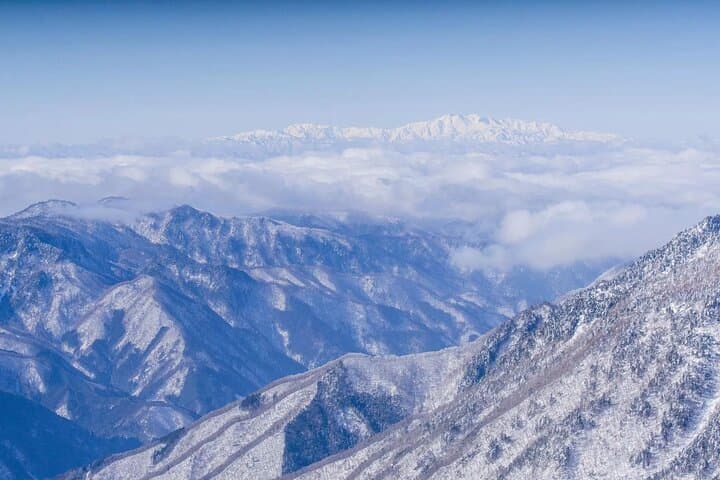
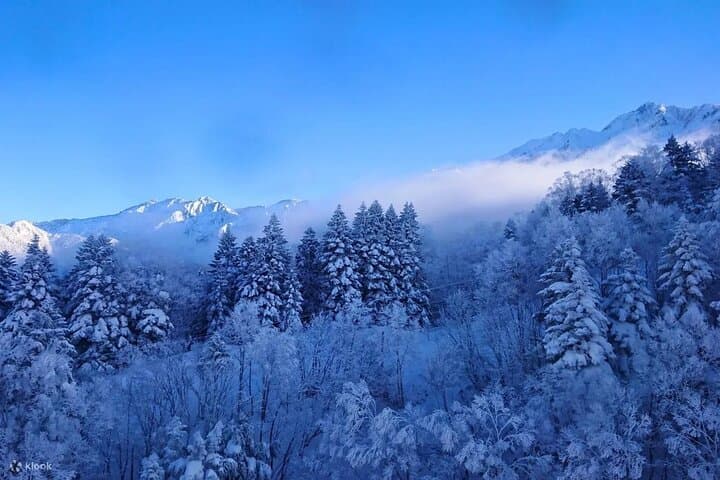
Ride Japan’s only double-decker ropeway to 2,156 m for sweeping Northern Alps views, then explore the Hida Great Stalactite Cave’s ancient chambers. This full-day pairing blends alpine panoramas with subterranean geology—prepare for steep slopes, cool caves, and fast-changing mountain weather.
Ride Japan’s only double-decker ropeway to 2,156 m for sweeping Northern Alps views, then explore the Hida Great Stalactite Cave’s ancient chambers. This full-day pairing blends alpine panoramas with subterranean geology—prepare for steep slopes, cool caves, and fast-changing mountain weather.
The cable car lifts you over a patchwork of dark conifers and terrace farms, the carriage rising as if the mountains themselves are drawing you upward. From the lower station the valley narrows; the ropeway climbs steeply, the double-decker cabin offering a theatrical sweep of ridge lines and waterfall scars as you approach the 2,156 m summit of Shin-Hodaka.
Verified experiences and guided adventures in the surrounding area.
Operated by 株式会社KKT · Takayama, Gifu Prefecture
The cable car lifts you over a patchwork of dark conifers and terrace farms, the carriage rising as if the mountains themselves are drawing you upward. From the lower station the valley narrows; the ropeway climbs steeply, the double-decker cabin offering a theatrical sweep of ridge lines and waterfall scars as you approach the 2,156 m summit of Shin-Hodaka.
Beneath the high ridges, the Hida Great Stalactite Cave waits in silence. Formed over hundreds of millions of years, its chambers hold calcite curtains and columns—rock slowed into strange, patient shapes. The ropeway and cave together tell two geological stories: the alpine uplift shaping jagged peaks, and the subterranean chemistry that built delicate stone formations.
Culturally, Okuhida’s onsens and mountain hamlets reflect a long history of seasonal travel—spring cherry runs, autumn leaf-viewing, and winter’s stubborn snow. Local guides emphasize safe access: the ropeway is engineered for alpine conditions, and cave paths include steep sections that test balance.
Practical guidance: plan for changeable weather—temperatures can drop quickly above timberline and cave surfaces are cool and damp. Wear grippy shoes for the cave’s slopes, bring layers for the summit wind, and allow a full day for the round trip, transfers, and time to explore. Morning rides often have clearer air for photos; late afternoon light softens the peaks.
This pairing—open-air ascent and underground quiet—rewards travelers who want dramatic mountain panoramas and a close-up of hidden geological time.
moderate.
10 hours.
Moderate fitness: able to handle short uphill walks, stairs, and standing during transfers
The tour runs about 10 hours from departure to return, including ropeway rides, cave visit, and transfers.
Operators monitor conditions and may cancel in high winds or heavy snow; the cancellation policy typically allows refunds if canceled 24 hours prior.
Infants can ride but must sit on laps; stroller access is noted at some points, though steep cave sections may be challenging for small children.
This tour includes admission to the Hida Great Stalactite Cave and Shin-Hodaka Ropeway as part of the itinerary.
The Hida cave records deep geological time through stalactites formed by slow mineral deposition; the ropeway was built to open these high alpine views to visitors, linking valley hot springs with summit panoramas.
Stay on designated paths in the cave and at mountain viewpoints to protect formations and fragile alpine vegetation; avoid touching stalactites and follow local waste policies.
株式会社KKT operates guided outdoor trips and adventures with an emphasis on safety, stewardship, and memorable experiences.
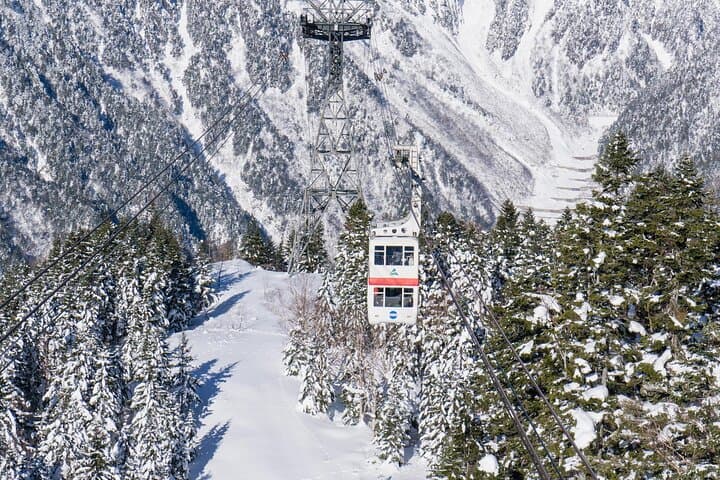
The cable car lifts you over a patchwork of dark conifers and terrace farms, the carriage rising as if the mountains themselves are drawing you upward. From the lower station the valley narrows; the ropeway climbs steeply, the double-decker cabin offering a theatrical sweep of ridge lines and waterfall scars as you approach the 2,156 m summit of Shin-Hodaka.
The cable car lifts you over a patchwork of dark conifers and terrace farms, the carriage rising as if the mountains themselves are drawing you upward. From the lower station the valley narrows; the ropeway climbs steeply, the double-decker cabin offering a theatrical sweep of ridge lines and waterfall scars as you approach the 2,156 m summit of Shin-Hodaka.
Beneath the high ridges, the Hida Great Stalactite Cave waits in silence. Formed over hundreds of millions of years, its chambers hold calcite curtains and columns—rock slowed into strange, patient shapes. The ropeway and cave together tell two geological stories: the alpine uplift shaping jagged peaks, and the subterranean chemistry that built delicate stone formations.
Culturally, Okuhida’s onsens and mountain hamlets reflect a long history of seasonal travel—spring cherry runs, autumn leaf-viewing, and winter’s stubborn snow. Local guides emphasize safe access: the ropeway is engineered for alpine conditions, and cave paths include steep sections that test balance.
Practical guidance: plan for changeable weather—temperatures can drop quickly above timberline and cave surfaces are cool and damp. Wear grippy shoes for the cave’s slopes, bring layers for the summit wind, and allow a full day for the round trip, transfers, and time to explore. Morning rides often have clearer air for photos; late afternoon light softens the peaks.
This pairing—open-air ascent and underground quiet—rewards travelers who want dramatic mountain panoramas and a close-up of hidden geological time.