THE ADVENTURE COLLECTIVE® · Independent discovery and booking for outdoor travel

A full-day bus tour from Fukuoka that links Akiyoshido’s limestone caverns, Motonosumi Inari’s cliffside torii, and the sweeping Tsunoshima Bridge—perfect for travelers wanting dramatic coastal views and easy access to Yamaguchi’s natural and cultural highlights.
A full-day bus tour from Fukuoka that links Akiyoshido’s limestone caverns, Motonosumi Inari’s cliffside torii, and the sweeping Tsunoshima Bridge—perfect for travelers wanting dramatic coastal views and easy access to Yamaguchi’s natural and cultural highlights.
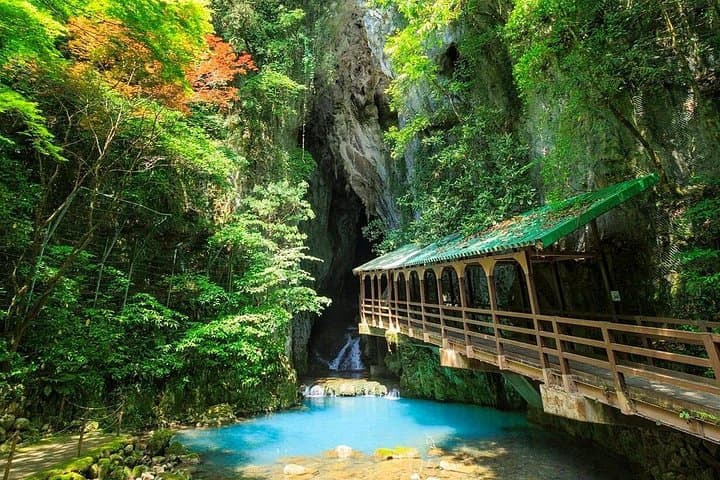
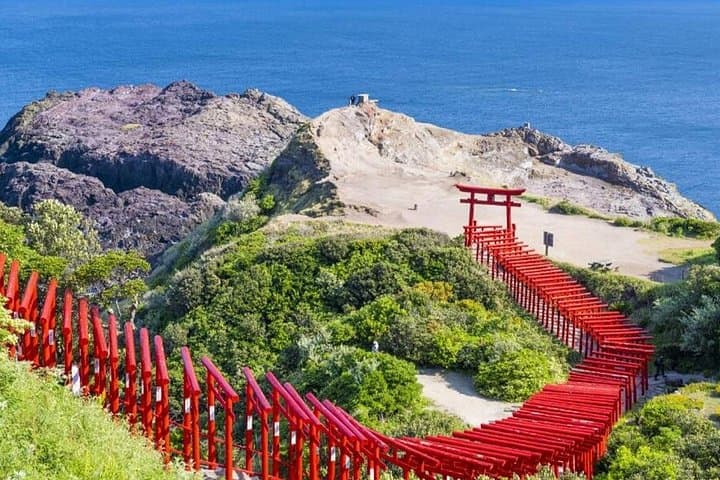
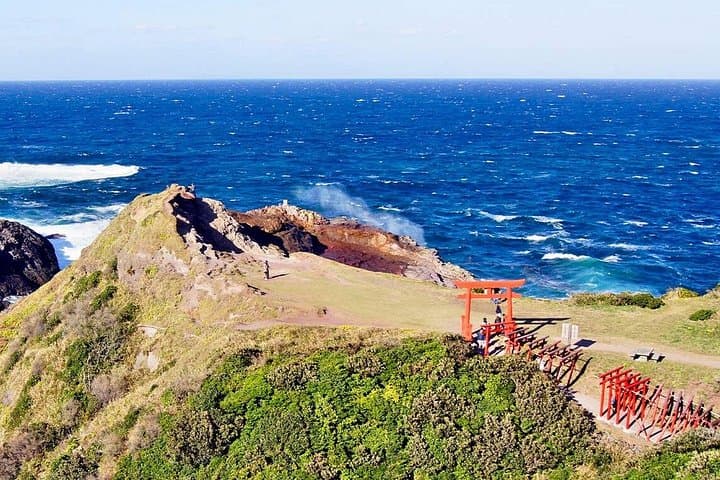
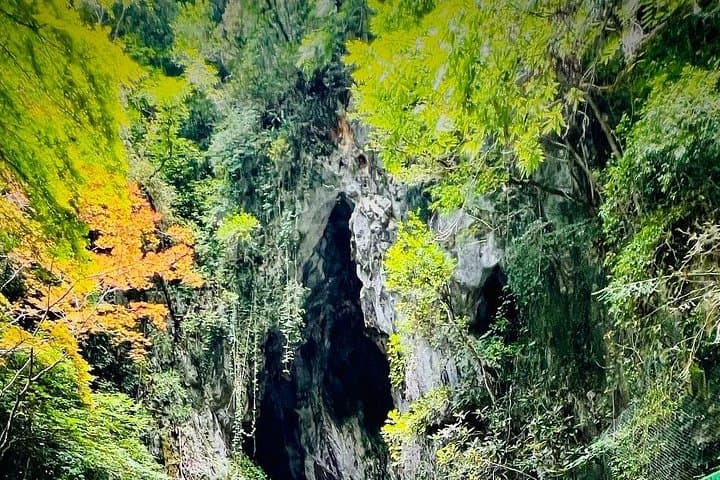
A damp sea wind pushes through the torii as you round the cliff path at Motonosumi Inari; below, the Sea of Japan presses bright and restless against the rocks. Later, the bus slips inland to the hush of Akiyoshido, where limestone chambers open like a buried cathedral and your breath echoes back among ancient calcite formations. The route stitches coastal vistas, shrine ritual, and subterranean geology into a single day that moves quickly but leaves moments to breathe.
Verified experiences and guided adventures in the surrounding area.
Operated by TrevoTour Travels · Shimonoseki, Yamaguchi Prefecture
A damp sea wind pushes through the torii as you round the cliff path at Motonosumi Inari; below, the Sea of Japan presses bright and restless against the rocks. Later, the bus slips inland to the hush of Akiyoshido, where limestone chambers open like a buried cathedral and your breath echoes back among ancient calcite formations. The route stitches coastal vistas, shrine ritual, and subterranean geology into a single day that moves quickly but leaves moments to breathe.
This loop through Yamaguchi Prefecture mixes natural history and local culture. Akiyoshido sits beneath the Akiyoshidai karst plateau—one of Japan’s largest limestone fields—its passages carved over hundreds of thousands of years. Motonosumi Inari, with its over-100 red torii gates, is a modern devotional route (established in the 1950s) that frames traditional Shinto practice against a stark coastline. Tsunoshima Bridge, opened in 2000, is notable for its length and the way it curves to preserve the island’s shoreline.
Practical guidance: the tour is mostly by coach with short walks at each stop; expect paved approaches and some uneven cave steps. Wear supportive shoes for the cave, layers for coastal wind, and bring cash for shrine offerings and snacks. Photography is outstanding at sunrise and late afternoon; the bus schedule may limit how long you linger. Restrooms and snack options are available at major stops, but facilities on rural stretches are basic.
Timing is everything—plan water, light rain protection, and a phone with offline maps. This is a day of contrasts: bright sea, quiet cave, and the steady motion of the road between them.
moderate.
9–10 hours.
Suitable for travelers who can walk short to moderate distances and navigate stairs; no strenuous fitness required
Each stop requires short to moderate walking: the shrine path is uphill along torii, the cave involves stairs and ramps, and the bridge has a paved approach—expect 10–30 minutes of walking at each site.
The tour lists wheelchair-accessible options, but cave interiors include stairs and uneven surfaces that limit access; check with the operator for tailored accommodations.
Admission to Akiyoshido is typically paid on-site; confirm with the booking whether any entry fees are covered—this tour notes admissions are not included for some stops.
This itinerary departs from a meet-up point in Fukuoka; exact pickup location will be confirmed at booking and round-trip transfers are included to that meet-up.
The region blends coastal fishing culture with inland karst history—Akiyoshido’s caves have been mapped and admired since Meiji-era geological surveys, while Motonosumi’s shrine is a 20th-century coastal spiritual site.
Visitors should stick to marked paths to protect fragile karst and coastal plant communities; reduce plastic waste and respect shrine customs to limit local impact.
TrevoTour Travels operates guided outdoor trips and adventures with an emphasis on safety, stewardship, and memorable experiences.
A damp sea wind pushes through the torii as you round the cliff path at Motonosumi Inari; below, the Sea of Japan presses bright and restless against the rocks. Later, the bus slips inland to the hush of Akiyoshido, where limestone chambers open like a buried cathedral and your breath echoes back among ancient calcite formations. The route stitches coastal vistas, shrine ritual, and subterranean geology into a single day that moves quickly but leaves moments to breathe.
A damp sea wind pushes through the torii as you round the cliff path at Motonosumi Inari; below, the Sea of Japan presses bright and restless against the rocks. Later, the bus slips inland to the hush of Akiyoshido, where limestone chambers open like a buried cathedral and your breath echoes back among ancient calcite formations. The route stitches coastal vistas, shrine ritual, and subterranean geology into a single day that moves quickly but leaves moments to breathe.
This loop through Yamaguchi Prefecture mixes natural history and local culture. Akiyoshido sits beneath the Akiyoshidai karst plateau—one of Japan’s largest limestone fields—its passages carved over hundreds of thousands of years. Motonosumi Inari, with its over-100 red torii gates, is a modern devotional route (established in the 1950s) that frames traditional Shinto practice against a stark coastline. Tsunoshima Bridge, opened in 2000, is notable for its length and the way it curves to preserve the island’s shoreline.
Practical guidance: the tour is mostly by coach with short walks at each stop; expect paved approaches and some uneven cave steps. Wear supportive shoes for the cave, layers for coastal wind, and bring cash for shrine offerings and snacks. Photography is outstanding at sunrise and late afternoon; the bus schedule may limit how long you linger. Restrooms and snack options are available at major stops, but facilities on rural stretches are basic.
Timing is everything—plan water, light rain protection, and a phone with offline maps. This is a day of contrasts: bright sea, quiet cave, and the steady motion of the road between them.