THE ADVENTURE COLLECTIVE® · Independent discovery and booking for outdoor travel

A 90-minute guided walk through Shimogamo Shrine and the Tadasu no Mori sacred forest, combining Shinto history, quiet woodland paths, and hands-on cultural moments like kagami ema at Kawai Shrine. Ideal for travelers seeking an accessible, nature-forward Kyoto experience.
A 90-minute guided walk through Shimogamo Shrine and the Tadasu no Mori sacred forest, combining Shinto history, quiet woodland paths, and hands-on cultural moments like kagami ema at Kawai Shrine. Ideal for travelers seeking an accessible, nature-forward Kyoto experience.
You step off a narrow city street and into a cool, shadowed corridor of trunks—Tadasu no Mori seems to inhale traffic and exhale centuries. The air tastes faintly of leaf mold and spring water; cedar trunks lean like old guardians while footsteps on compacted earth sound unusually loud in this deliberate quiet.
Verified experiences and guided adventures in the surrounding area.
Operated by DeepExperience · Kyoto, Kyoto Prefecture
You step off a narrow city street and into a cool, shadowed corridor of trunks—Tadasu no Mori seems to inhale traffic and exhale centuries. The air tastes faintly of leaf mold and spring water; cedar trunks lean like old guardians while footsteps on compacted earth sound unusually loud in this deliberate quiet.
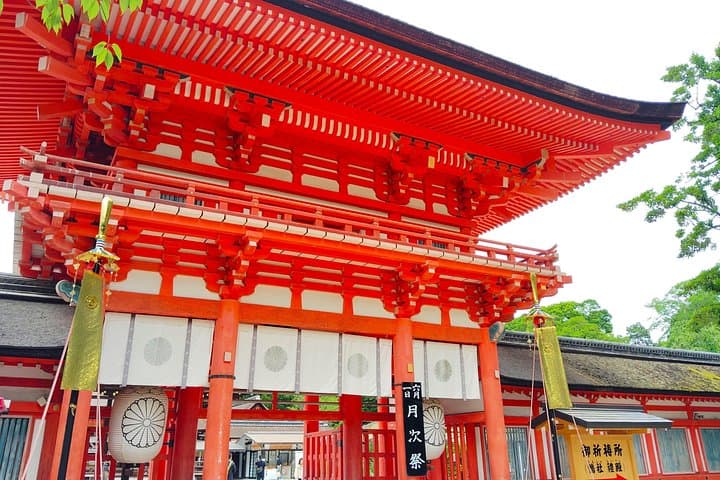
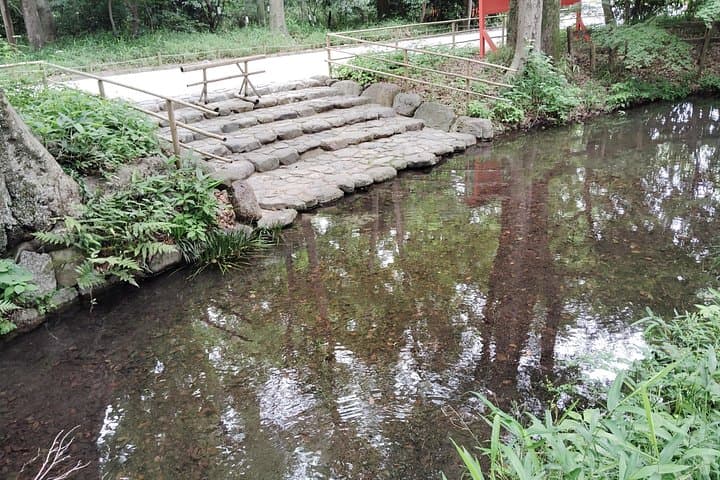
This 90-minute guided walk threads three core sites: the main precinct of Shimogamo Shrine (Kamomioya-jinja), the intimate Kawai Shrine with its mirror-shaped kagami ema, and the primeval grove of Tadasu no Mori. Shimogamo is part of the Historic Monuments of Ancient Kyoto and has played a civic role since before the capital moved here in the 8th century; rituals once aimed to protect the city itself. Geologically the site sits on alluvial plain soils fed by springs and the nearby Kamo River, which keep the forest damp and moss-draped.
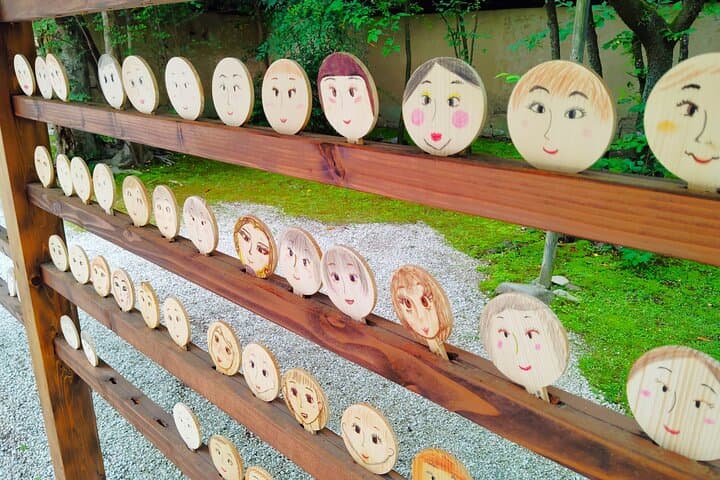
Culture here is hands-on: at Kawai Shrine visitors draw on kagami ema, an individualized votive practice tied to Tamayori-hime no Mikoto. The forest hosts insect choruses in summer and a riot of maples in late autumn; even the shrine’s layout reflects Shinto ideas of purity, boundary, and the living presence of nature.
Practicalities: the route is flat, wheelchair-accessible, and paced for easy walking—expect 90 minutes total with short stops. Wear grippy shoes for damp soil, carry water, and bring a camera but mute your phone and observe shrine etiquette. Plan morning visits for softer light and fewer crowds; if you go in May time your walk around the Aoi Matsuri for pageantry nearby.
easy.
1.5 hours.
Suitable for all fitness levels; mainly flat walking on compacted earth with short standing stops
Yes. Paths and main areas visited on this 90-minute tour are wheelchair-accessible and the pace is relaxed.
There is typically no admission fee to enter Shimogamo Shrine or Tadasu no Mori, and this guided tour covers interpretation rather than paid-entry areas.
Yes—Kawai Shrine’s mirror-shaped ema are an interactive, optional practice; your guide will explain the custom and how to participate respectfully.
Morning visits (shortly after opening) offer softer light, cooler temperatures, and fewer visitors—perfect for photography and quiet reflection.
Shimogamo Shrine predates Kyoto’s establishment as the imperial capital and has hosted city-protecting rites for more than a millennium, with the grounds preserved as a sacred forest.
Tadasu no Mori is protected as part of the shrine’s sacred precincts and UNESCO recognition helps limit development; visitors are asked to stay on paths and avoid disturbing understory vegetation.
DeepExperience operates guided outdoor trips and adventures with an emphasis on safety, stewardship, and memorable experiences.
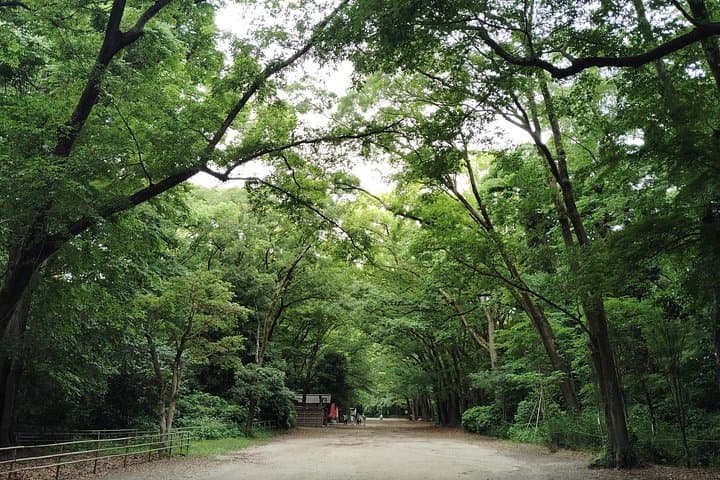
You step off a narrow city street and into a cool, shadowed corridor of trunks—Tadasu no Mori seems to inhale traffic and exhale centuries. The air tastes faintly of leaf mold and spring water; cedar trunks lean like old guardians while footsteps on compacted earth sound unusually loud in this deliberate quiet.
You step off a narrow city street and into a cool, shadowed corridor of trunks—Tadasu no Mori seems to inhale traffic and exhale centuries. The air tastes faintly of leaf mold and spring water; cedar trunks lean like old guardians while footsteps on compacted earth sound unusually loud in this deliberate quiet.
This 90-minute guided walk threads three core sites: the main precinct of Shimogamo Shrine (Kamomioya-jinja), the intimate Kawai Shrine with its mirror-shaped kagami ema, and the primeval grove of Tadasu no Mori. Shimogamo is part of the Historic Monuments of Ancient Kyoto and has played a civic role since before the capital moved here in the 8th century; rituals once aimed to protect the city itself. Geologically the site sits on alluvial plain soils fed by springs and the nearby Kamo River, which keep the forest damp and moss-draped.
Culture here is hands-on: at Kawai Shrine visitors draw on kagami ema, an individualized votive practice tied to Tamayori-hime no Mikoto. The forest hosts insect choruses in summer and a riot of maples in late autumn; even the shrine’s layout reflects Shinto ideas of purity, boundary, and the living presence of nature.
Practicalities: the route is flat, wheelchair-accessible, and paced for easy walking—expect 90 minutes total with short stops. Wear grippy shoes for damp soil, carry water, and bring a camera but mute your phone and observe shrine etiquette. Plan morning visits for softer light and fewer crowds; if you go in May time your walk around the Aoi Matsuri for pageantry nearby.