THE ADVENTURE COLLECTIVE® · Independent discovery and booking for outdoor travel

A seven-day road itinerary from Delhi through Shimla, Kullu and Manali that blends colonial hill stations, high-altitude meadows and optional snow and rafting activities—practical route notes and packing guidance included.
A seven-day road itinerary from Delhi through Shimla, Kullu and Manali that blends colonial hill stations, high-altitude meadows and optional snow and rafting activities—practical route notes and packing guidance included.
You step out of the car into a clean, cold air that carries pine resin and the distant rattle of a mountain stream. The route from Delhi climbs through foothills to the Shivalik range — 350 km and roughly 8–9 hours to Shimla — where narrow streets open onto the Mall and the ridge with its photograph-ready Christ Church.
Verified experiences and guided adventures in the surrounding area.
Operated by Indian Travel Online · Shimla, Himachal Pradesh
You step out of the car into a clean, cold air that carries pine resin and the distant rattle of a mountain stream. The route from Delhi climbs through foothills to the Shivalik range — 350 km and roughly 8–9 hours to Shimla — where narrow streets open onto the Mall and the ridge with its photograph-ready Christ Church.
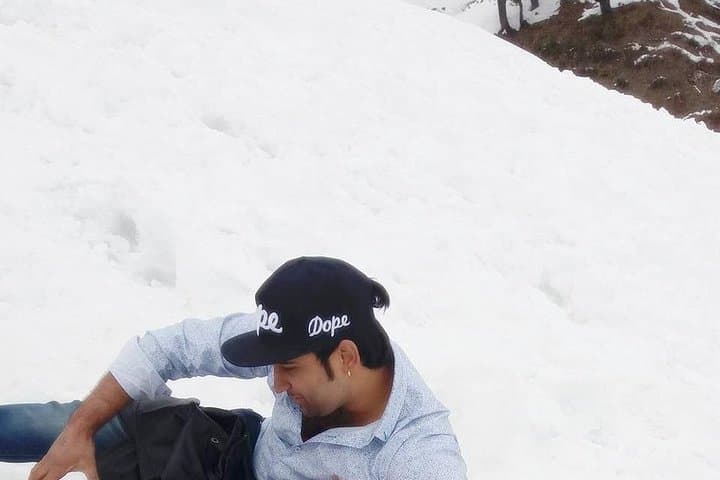
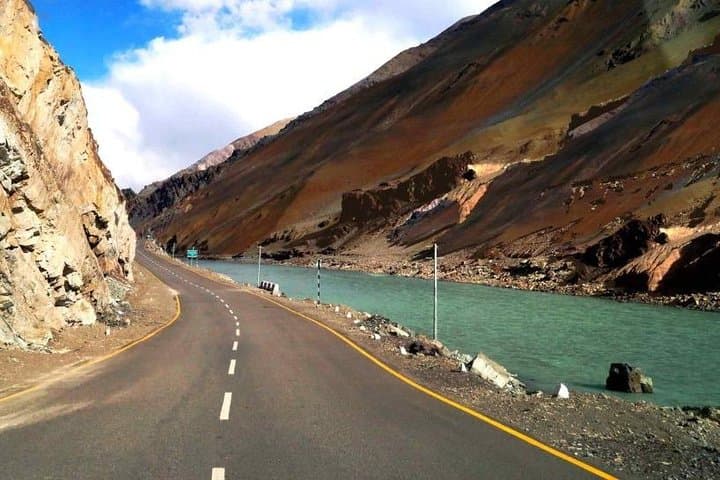
This seven-day loop threads British-era hill stations, Kullu valley crafts, and high-altitude meadows. Shimla was the summer capital of British India; its Victorian timber buildings sit above geological folds of sedimentary rock that give way to crystalline Himalayan thrusts as you drive toward Manali (≈270 km, ~7 hours). Solang Valley and the approach to Rohtang show glacial moraine and seasonal snowfields (Rohtang summit ~3,980 m; tour reaches the snow line when access is restricted).
Along the way expect cultural stops — Jakhu Temple, Hidimba Devi, local shawl workshops, Roerich Art Gallery — and optional activities such as Beas rafting or skiing in Solang. The itinerary balances road time with short walks and viewpoints rather than technical treks, but you’ll experience elevation shifts from ~600 m in Chandigarh to ~2,200 m in Shimla and ~2,050 m in Manali.
Practical guidance: pack layers for large diurnal temperature swings, a waterproof shell, sturdy walking shoes, and sun protection; allow 24–48 hours to adjust to higher nights; keep cash for village purchases and Rohtang permits/fees. Travel windows: late spring through autumn avoid deep winter closures, but winter brings reliable snow for skiing. Hydration, paced driving, and respectful waste practices keep the mountains open for the next traveler.
moderate.
6–7 days.
Suitable for travelers in average fitness who can handle several hours of driving per day and short walks; no technical fitness required for core itinerary.
Late spring to early autumn (April–June, September–October) offers stable roads and open passes; winter is best only if you want snow but expect road closures and limited services.
The tour includes a Rohtang-area excursion up to the snow line; direct access to Rohtang top requires government permits and depends on seasonal road openings and weather.
Most itinerary nights are around 2,000–2,200 m where mild symptoms are possible; stay hydrated, ascend gradually and consult a doctor if you have respiratory or cardiac conditions.
The operator indicates wheelchair-accessible transportation and some accessible options, but many historic sites and hilly streets have steps—confirm specific needs before booking.
Shimla served as the British Raj’s summer capital and still carries Edwardian architecture and hill-station culture; Kullu has a long tradition of shawl weaving and river-based livelihoods.
The high-altitude ecosystems are fragile—carry out waste, avoid single-use plastics, and respect local regulations such as Rohtang permit limits to reduce visitor impact.
Indian Travel Online operates guided outdoor trips and adventures with an emphasis on safety, stewardship, and memorable experiences.
You step out of the car into a clean, cold air that carries pine resin and the distant rattle of a mountain stream. The route from Delhi climbs through foothills to the Shivalik range — 350 km and roughly 8–9 hours to Shimla — where narrow streets open onto the Mall and the ridge with its photograph-ready Christ Church.
You step out of the car into a clean, cold air that carries pine resin and the distant rattle of a mountain stream. The route from Delhi climbs through foothills to the Shivalik range — 350 km and roughly 8–9 hours to Shimla — where narrow streets open onto the Mall and the ridge with its photograph-ready Christ Church.
This seven-day loop threads British-era hill stations, Kullu valley crafts, and high-altitude meadows. Shimla was the summer capital of British India; its Victorian timber buildings sit above geological folds of sedimentary rock that give way to crystalline Himalayan thrusts as you drive toward Manali (≈270 km, ~7 hours). Solang Valley and the approach to Rohtang show glacial moraine and seasonal snowfields (Rohtang summit ~3,980 m; tour reaches the snow line when access is restricted).
Along the way expect cultural stops — Jakhu Temple, Hidimba Devi, local shawl workshops, Roerich Art Gallery — and optional activities such as Beas rafting or skiing in Solang. The itinerary balances road time with short walks and viewpoints rather than technical treks, but you’ll experience elevation shifts from ~600 m in Chandigarh to ~2,200 m in Shimla and ~2,050 m in Manali.
Practical guidance: pack layers for large diurnal temperature swings, a waterproof shell, sturdy walking shoes, and sun protection; allow 24–48 hours to adjust to higher nights; keep cash for village purchases and Rohtang permits/fees. Travel windows: late spring through autumn avoid deep winter closures, but winter brings reliable snow for skiing. Hydration, paced driving, and respectful waste practices keep the mountains open for the next traveler.