THE ADVENTURE COLLECTIVE® · Independent discovery and booking for outdoor travel

An evening walk through Shimbashi’s backstreets leads to five authentic food stops, sake tastings, and insider history of Tokyo’s after‑work scene. Learn how to eat and drink like locals while exploring hidden izakayas and seasonal flavors.
An evening walk through Shimbashi’s backstreets leads to five authentic food stops, sake tastings, and insider history of Tokyo’s after‑work scene. Learn how to eat and drink like locals while exploring hidden izakayas and seasonal flavors.
The neon glow of Shimbashi spills across wet pavement as salarymen thread through narrow alleys, steam rising from ramen bowls and the clink of glasses punctuating conversation. On a three-hour evening walk you move with the current — slipping behind a metal shutter, past a tiny yakitori grill, into a crowded counter where smoke and spice press close.
Verified experiences and guided adventures in the surrounding area.
Operated by Arigato Japan KK · Tokyo, Tokyo
The neon glow of Shimbashi spills across wet pavement as salarymen thread through narrow alleys, steam rising from ramen bowls and the clink of glasses punctuating conversation. On a three-hour evening walk you move with the current — slipping behind a metal shutter, past a tiny yakitori grill, into a crowded counter where smoke and spice press close.
Shimbashi is a working‑class quarter that grew up around Japan’s first railway terminus in the 1870s; its after‑work culture evolved here, with izakayas and small taverns shaping the social fabric. The built environment is a mix of low brick and corrugated storefronts, while the reclaimed spaces near Shiodome reveal Tokyo’s rapid modernization. Cultural rhythms — quick dinners, deliberate pours of sake, soft karaoke in back rooms — guide the evening.
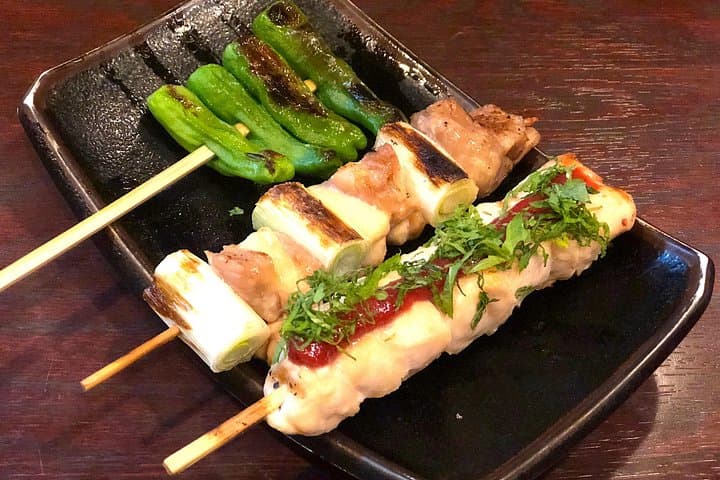
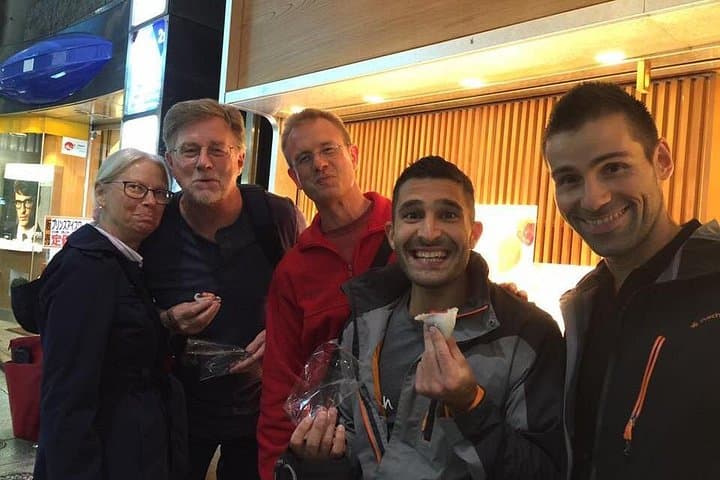
Expect five tasting stops: ramen, yakitori or Wagyu, a sake tasting, a seasonal side dish and a traditional dessert. Guides point out local history, the Advertising Museum facade, and Karasumori Shrine as you walk. The terrain is flat but crowded; expect stairs into tiny venues and standing bars.
Practical tips: book in advance, bring small bills for optional extras, and arrive with comfortable shoes and a jacket for changing weather. The tour is adult‑only (20+) and wheelchair accessible venues are included where possible, but notify the operator ahead to confirm arrangements. Pace your drinking, inform guides of dietary needs, and leave room for surprises — Shimbashi rewards curiosity and respectful appetite.
moderate.
3 hours.
Moderate: able to stand and walk for short stretches, climb a few stairs, and navigate crowded streets.
The operator indicates wheelchair accessibility for certain stops; contact them ahead so they can confirm accessible venues and adapt the route.
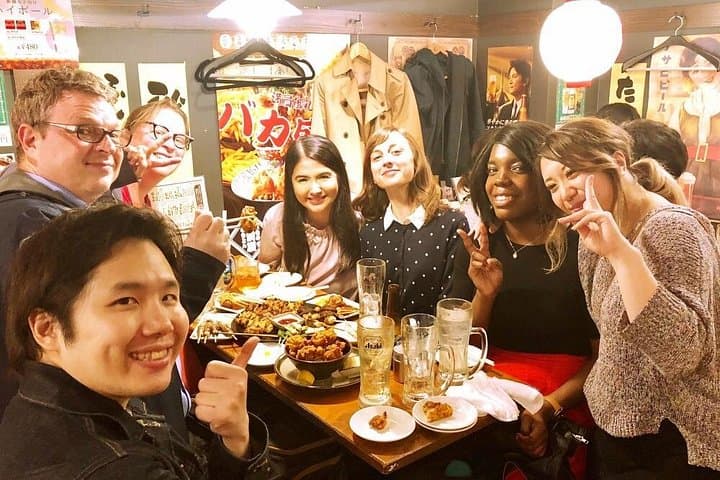
Two drinks are included in the tour price; additional beverages can usually be purchased at individual stops.
The tour is pescatarian and vegetarian friendly but not recommended for strict vegans or gluten‑free diets — notify the operator when booking.
The tour meets at a central Shimbashi location listed in your booking confirmation; allow time for Tokyo transit and arrive a few minutes early.
Shimbashi hosted Japan’s first public railway terminal in 1872 and became a focal point for after‑work dining culture that persists today.
Support small businesses by minimizing food waste and using public transit; respect indoor smoking rules and local noise etiquette to preserve neighborhood character.
Arigato Japan KK operates guided outdoor trips and adventures with an emphasis on safety, stewardship, and memorable experiences.
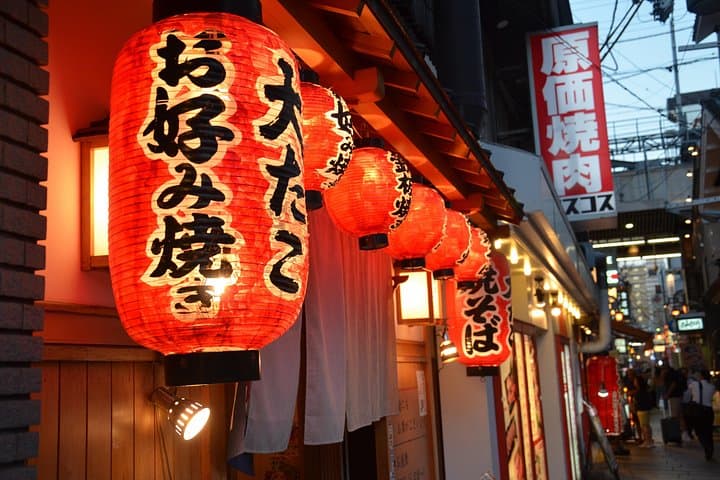
The neon glow of Shimbashi spills across wet pavement as salarymen thread through narrow alleys, steam rising from ramen bowls and the clink of glasses punctuating conversation. On a three-hour evening walk you move with the current — slipping behind a metal shutter, past a tiny yakitori grill, into a crowded counter where smoke and spice press close.
The neon glow of Shimbashi spills across wet pavement as salarymen thread through narrow alleys, steam rising from ramen bowls and the clink of glasses punctuating conversation. On a three-hour evening walk you move with the current — slipping behind a metal shutter, past a tiny yakitori grill, into a crowded counter where smoke and spice press close.
Shimbashi is a working‑class quarter that grew up around Japan’s first railway terminus in the 1870s; its after‑work culture evolved here, with izakayas and small taverns shaping the social fabric. The built environment is a mix of low brick and corrugated storefronts, while the reclaimed spaces near Shiodome reveal Tokyo’s rapid modernization. Cultural rhythms — quick dinners, deliberate pours of sake, soft karaoke in back rooms — guide the evening.
Expect five tasting stops: ramen, yakitori or Wagyu, a sake tasting, a seasonal side dish and a traditional dessert. Guides point out local history, the Advertising Museum facade, and Karasumori Shrine as you walk. The terrain is flat but crowded; expect stairs into tiny venues and standing bars.
Practical tips: book in advance, bring small bills for optional extras, and arrive with comfortable shoes and a jacket for changing weather. The tour is adult‑only (20+) and wheelchair accessible venues are included where possible, but notify the operator ahead to confirm arrangements. Pace your drinking, inform guides of dietary needs, and leave room for surprises — Shimbashi rewards curiosity and respectful appetite.