THE ADVENTURE COLLECTIVE® · Independent discovery and booking for outdoor travel

A full-day safari and guided hike from Mombasa into Shimba Hills National Reserve, combining a morning game drive with a shaded forest walk to a waterfall. Expect elephant sightings, sable antelope, and varied terrain on a 7-hour small-group trip.
A full-day safari and guided hike from Mombasa into Shimba Hills National Reserve, combining a morning game drive with a shaded forest walk to a waterfall. Expect elephant sightings, sable antelope, and varied terrain on a 7-hour small-group trip.
You leave Mombasa before sunrise and the highway narrows into farmland; the air cools, and the coast’s low scrub rises into rounded hills carpeted in thick forest. After about 1.5 hours the car slows at a gate and the guide switches to a game-drive pace—elephant tracks, scattered sable antelope, and a chorus of turacos mark the transition from coast to canopy.
Verified experiences and guided adventures in the surrounding area.
Operated by Cruzeiro Safaris Kenya · Kwale, Kwale County
You leave Mombasa before sunrise and the highway narrows into farmland; the air cools, and the coast’s low scrub rises into rounded hills carpeted in thick forest. After about 1.5 hours the car slows at a gate and the guide switches to a game-drive pace—elephant tracks, scattered sable antelope, and a chorus of turacos mark the transition from coast to canopy.
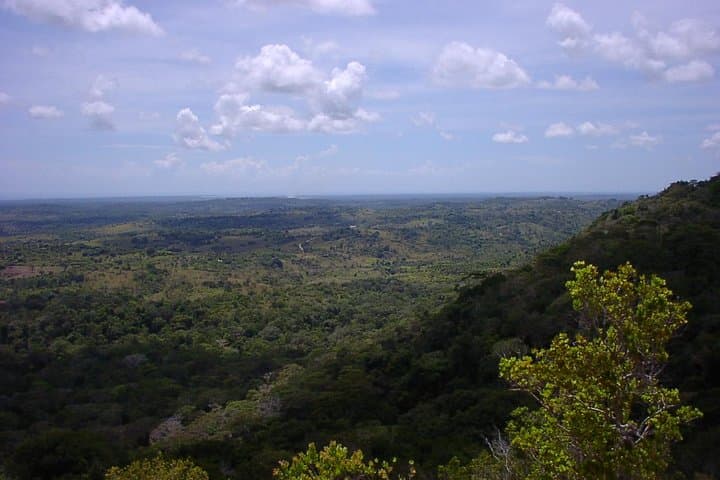
Shimba Hills is one of East Africa’s largest coastal forests, a landscape shaped by ancient weathering of coastal rock and long, humid seasons that sustain dense undergrowth and steep ravines. The reserve preserves high densities of African elephant and Kenya’s notable sable antelope population, and supports over 100 bird species. The local Digo communities and former plantation parcels give the area a layered human history: colonial-era land use that has gradually shifted toward conservation and community tourism.
On this full-day trip expect a morning game drive across grassy glades and forest edge, followed by a guided hike (roughly 2–3 km round‑trip) to the waterfall. Terrain is uneven: packed dirt, tree roots, and short climbs totaling about 100–150 m elevation gain. The waterfall’s pool and the surrounding shaded ferns are a clear reward and a practical lunch spot.
Practical guidance: bring sturdy shoes and insect repellent, carry 1–2 liters of water, and plan for variable weather—hot sun on open glades, cool shade in the forest. Entrance fees are paid at the gate; guides help with wildlife spotting and local insights. The day combines wildlife viewing and a short, moderately steep hike—ideal for travelers with a reasonable level of fitness.
moderate.
6–7 hours (full day).
Suitable for travelers with a moderate level of fitness who can manage short steep sections and uneven terrain.
No; guests typically pay the park entrance fee at the reserve gate as noted in the itinerary.
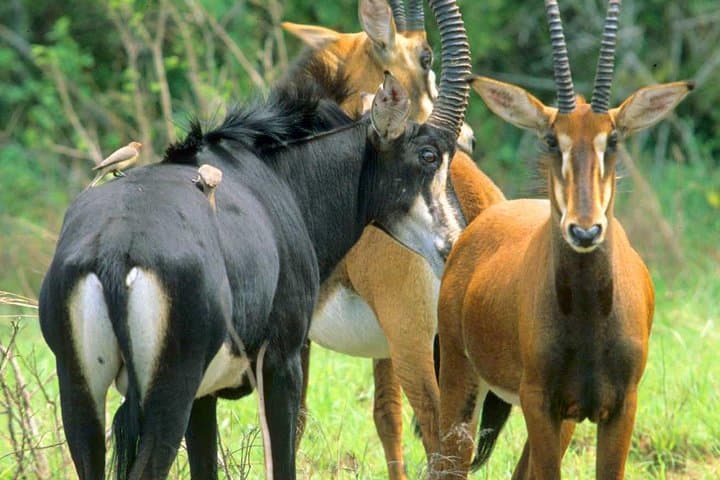
Common sightings include African elephants, sable antelope, and a rich assortment of coastal forest birds; sightings aren’t guaranteed but guides increase your chances.
Moderate fitness is recommended—the hike is roughly 2–3 km round‑trip with uneven ground and about 100–150 m elevation change.
Yes—hotel pickup and drop-off are offered from selected hotels in Mombasa; confirm pickup details when booking.
Shimba Hills transitioned from colonial-era plantation landscapes into a protected coastal forest reserve important for both biodiversity and local livelihoods.
Conservation here blends national park protection with community initiatives; stay on trails, avoid feeding wildlife, and consider hiring local guides to support the area.
Cruzeiro Safaris Kenya operates guided outdoor trips and adventures with an emphasis on safety, stewardship, and memorable experiences.
You leave Mombasa before sunrise and the highway narrows into farmland; the air cools, and the coast’s low scrub rises into rounded hills carpeted in thick forest. After about 1.5 hours the car slows at a gate and the guide switches to a game-drive pace—elephant tracks, scattered sable antelope, and a chorus of turacos mark the transition from coast to canopy.
You leave Mombasa before sunrise and the highway narrows into farmland; the air cools, and the coast’s low scrub rises into rounded hills carpeted in thick forest. After about 1.5 hours the car slows at a gate and the guide switches to a game-drive pace—elephant tracks, scattered sable antelope, and a chorus of turacos mark the transition from coast to canopy.
Shimba Hills is one of East Africa’s largest coastal forests, a landscape shaped by ancient weathering of coastal rock and long, humid seasons that sustain dense undergrowth and steep ravines. The reserve preserves high densities of African elephant and Kenya’s notable sable antelope population, and supports over 100 bird species. The local Digo communities and former plantation parcels give the area a layered human history: colonial-era land use that has gradually shifted toward conservation and community tourism.
On this full-day trip expect a morning game drive across grassy glades and forest edge, followed by a guided hike (roughly 2–3 km round‑trip) to the waterfall. Terrain is uneven: packed dirt, tree roots, and short climbs totaling about 100–150 m elevation gain. The waterfall’s pool and the surrounding shaded ferns are a clear reward and a practical lunch spot.
Practical guidance: bring sturdy shoes and insect repellent, carry 1–2 liters of water, and plan for variable weather—hot sun on open glades, cool shade in the forest. Entrance fees are paid at the gate; guides help with wildlife spotting and local insights. The day combines wildlife viewing and a short, moderately steep hike—ideal for travelers with a reasonable level of fitness.