THE ADVENTURE COLLECTIVE® · Independent discovery and booking for outdoor travel

Walk through a retro hot spring village where Showa-era streets, mineral-stained inns and local confectioners tell the story of Shima Onsen. This three-hour guided route covers 1.8 miles, historic ryokan stops and tastings at multiple sweets shops.
Walk through a retro hot spring village where Showa-era streets, mineral-stained inns and local confectioners tell the story of Shima Onsen. This three-hour guided route covers 1.8 miles, historic ryokan stops and tastings at multiple sweets shops.
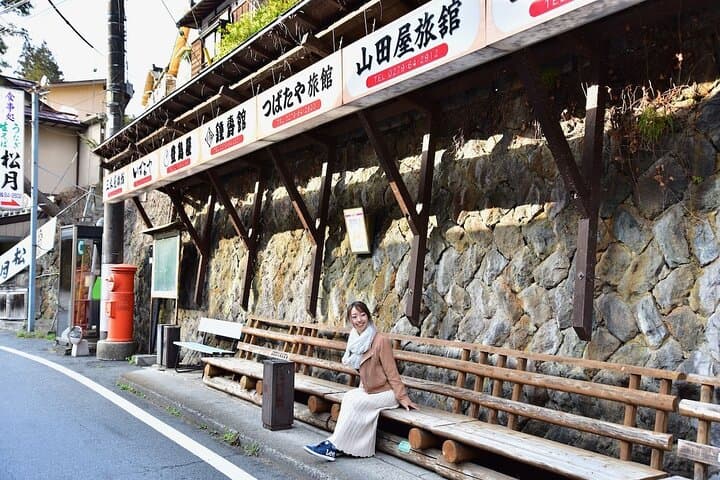
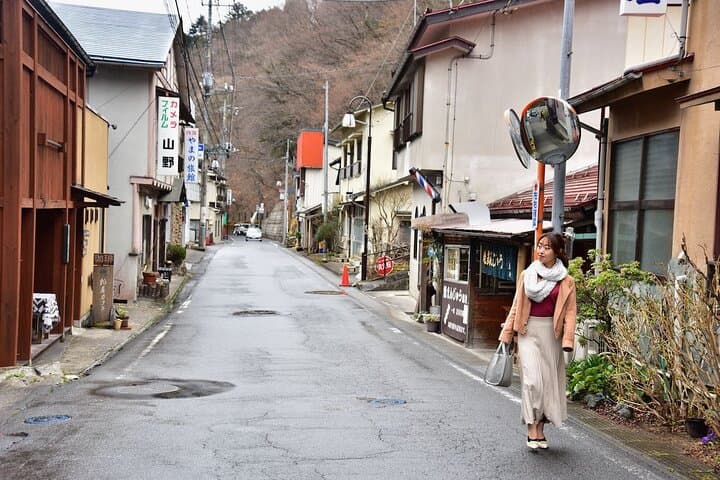
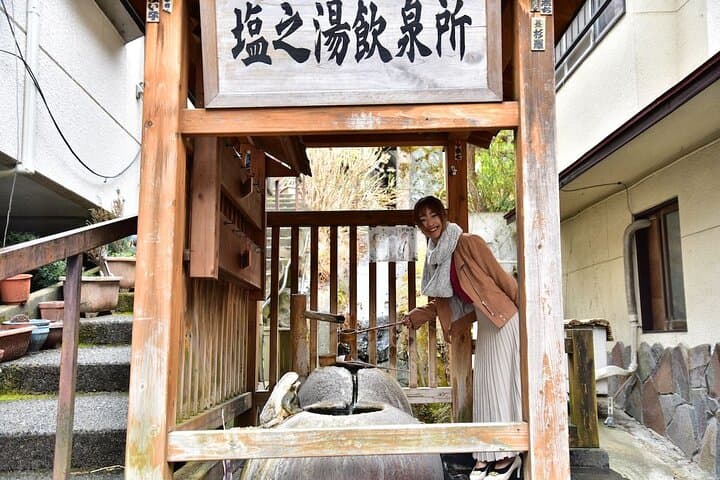
Steam rises from narrow gutters as you step off the main road into Shima Onsen’s compact village — wooden inns press close, paper lanterns sway, and the guide’s voice threads local stories between the clack of geta on stone. The tour moves at a slow, deliberate pace: 1.8 miles of old roads, cobbled lanes and a few sets of steps that reveal carved stone markers and mineral-stained walls.
Verified experiences and guided adventures in the surrounding area.
Operated by Shima Spa Guide with Pro · Nakanojō, Gunma
Steam rises from narrow gutters as you step off the main road into Shima Onsen’s compact village — wooden inns press close, paper lanterns sway, and the guide’s voice threads local stories between the clack of geta on stone. The tour moves at a slow, deliberate pace: 1.8 miles of old roads, cobbled lanes and a few sets of steps that reveal carved stone markers and mineral-stained walls.
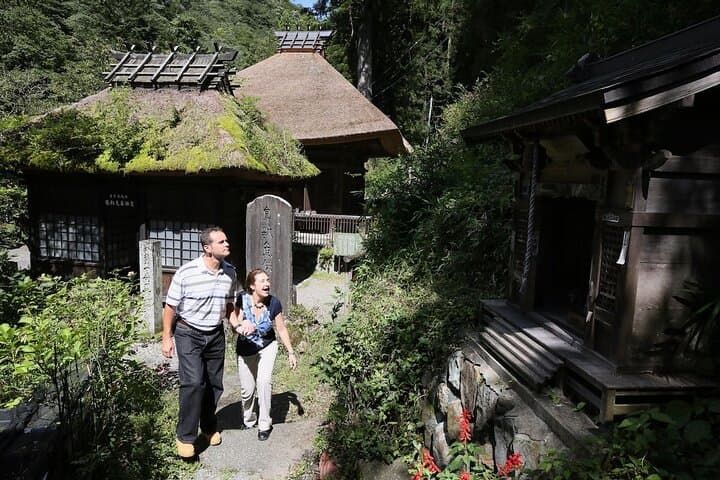
Shima’s hot springs have been tapped and managed for centuries; one ryokan on the route is reputedly among the oldest and is often cited as an inspiration for Studio Ghibli scenes. Geologically, the valley’s springs are fed by volcanic activity under the highlands, producing sulfur-rich waters that shaped local bathing culture and inn architecture. Culturally the town preserves Showa-era storefronts, old cafés and confectioners where you’ll sample at least two local sweets — from onsen-manju to café cakes.
The walk is low-impact but intimate: expect narrow alleys, damp stone, and friendly conversations with innkeepers. Bring modest footwear and a small daypack; carry cash for family-run shops that may not accept cards. Timing matters — mid-morning or late afternoon light makes the wooden facades glow and avoids busier bathhouse windows.
Practicalities: the route is roughly three hours with several short stops, suitable for most fitness levels. Respect bathing customs, keep noise low in residential stretches, and follow guidance on private ryokan properties. This is less a strenuous hike and more a guided cultural walk that places you inside Shima Onsen’s living history.
easy.
3 hours.
Suitable for most activity levels; involves walking ~1.8 miles on uneven, occasionally steep stone steps.
The guided route covers approximately 1.8 miles and runs about three hours including stops and tastings.
The tour includes snacks: you’ll sample local sweets at least twice, but full meals are not provided—plan mealtimes separately.
The route uses old roads and stone steps; it’s rated easy overall but not recommended for travelers with serious spinal problems or limited mobility.
Guide language can vary; check the booking page or ask the operator in advance if you require an English-speaking guide.
Shima Onsen’s inns and roads grew around mineral springs used for centuries; an old ryokan on the tour is often cited as inspiration for Studio Ghibli imagery, reflecting the town’s preserved Showa-era character.
Visitors are asked to stay on paths, avoid taking water from spring outlets, and support local businesses to help preserve the town’s low-impact tourism and hot-spring resources.
Shima Spa Guide with Pro operates guided outdoor trips and adventures with an emphasis on safety, stewardship, and memorable experiences.
Steam rises from narrow gutters as you step off the main road into Shima Onsen’s compact village — wooden inns press close, paper lanterns sway, and the guide’s voice threads local stories between the clack of geta on stone. The tour moves at a slow, deliberate pace: 1.8 miles of old roads, cobbled lanes and a few sets of steps that reveal carved stone markers and mineral-stained walls.
Steam rises from narrow gutters as you step off the main road into Shima Onsen’s compact village — wooden inns press close, paper lanterns sway, and the guide’s voice threads local stories between the clack of geta on stone. The tour moves at a slow, deliberate pace: 1.8 miles of old roads, cobbled lanes and a few sets of steps that reveal carved stone markers and mineral-stained walls.
Shima’s hot springs have been tapped and managed for centuries; one ryokan on the route is reputedly among the oldest and is often cited as an inspiration for Studio Ghibli scenes. Geologically, the valley’s springs are fed by volcanic activity under the highlands, producing sulfur-rich waters that shaped local bathing culture and inn architecture. Culturally the town preserves Showa-era storefronts, old cafés and confectioners where you’ll sample at least two local sweets — from onsen-manju to café cakes.
The walk is low-impact but intimate: expect narrow alleys, damp stone, and friendly conversations with innkeepers. Bring modest footwear and a small daypack; carry cash for family-run shops that may not accept cards. Timing matters — mid-morning or late afternoon light makes the wooden facades glow and avoids busier bathhouse windows.
Practicalities: the route is roughly three hours with several short stops, suitable for most fitness levels. Respect bathing customs, keep noise low in residential stretches, and follow guidance on private ryokan properties. This is less a strenuous hike and more a guided cultural walk that places you inside Shima Onsen’s living history.