THE ADVENTURE COLLECTIVE® · Independent discovery and booking for outdoor travel

Swap long pilgrim days on foot for a measured Brompton ride through Naruto’s lotus fields and the first six Shikoku Henro temples. This slow-cycling tour pairs compact bikes with local history, quiet rural roads and easy walking between temple gates.
Swap long pilgrim days on foot for a measured Brompton ride through Naruto’s lotus fields and the first six Shikoku Henro temples. This slow-cycling tour pairs compact bikes with local history, quiet rural roads and easy walking between temple gates.
A cool morning at Tokushima Station sets the tone: folded Brompton frames click into place on a compact train, and the pace of pilgrimage switches from foot to pedal. Roll out at Ikeya Station and the landscape opens into lotus-root fields and low, cultivated plains while the sea keeps a steady, distant presence. The gate of Ryōzen-ji (Temple No. 1) announces the start of centuries-old ritual — sutra books in hand, the quiet of a walking route still insists that each step and turn matters.
Verified experiences and guided adventures in the surrounding area.
Operated by BROMPTON SLOW CYCLING TOURS · Tokushima, Tokushima Prefecture
A cool morning at Tokushima Station sets the tone: folded Brompton frames click into place on a compact train, and the pace of pilgrimage switches from foot to pedal. Roll out at Ikeya Station and the landscape opens into lotus-root fields and low, cultivated plains while the sea keeps a steady, distant presence. The gate of Ryōzen-ji (Temple No. 1) announces the start of centuries-old ritual — sutra books in hand, the quiet of a walking route still insists that each step and turn matters.
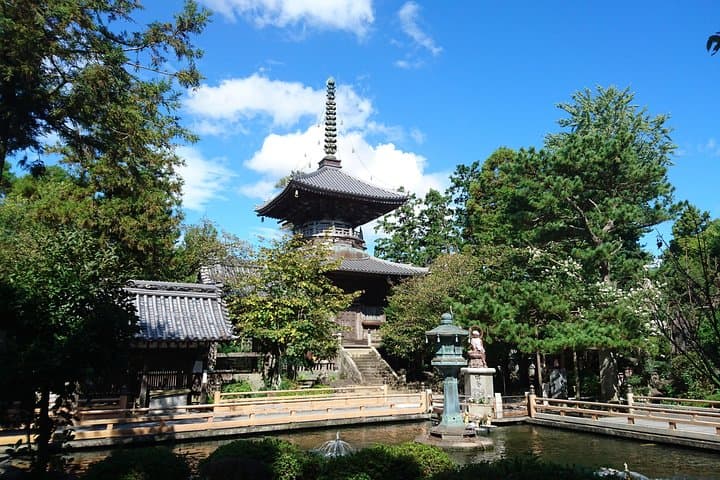
The Shikoku Henro traces routes used since the Heian and Edo periods; on this short loop the guide points out Edo-era stone markers and merchant lanes that survive away from the main road. Geologically the area is coastal plain carved by rivers and human agriculture, so climbs are modest and vistas favor rice paddies, shrine gardens and tiled temple roofs rather than alpine summits.
Culturally this stretch highlights temple ritual (bells, chozubachi water basins) and local idiosyncrasies — Omabiko Shrine and the Ninth Village’s German ties are nearby curiosities. Expect a mixed day of cycling and short walking pilgrim segments: mostly paved secondary roads and quiet temple paths, very little traffic, and a navigator who layers historical commentary with practical route choices.
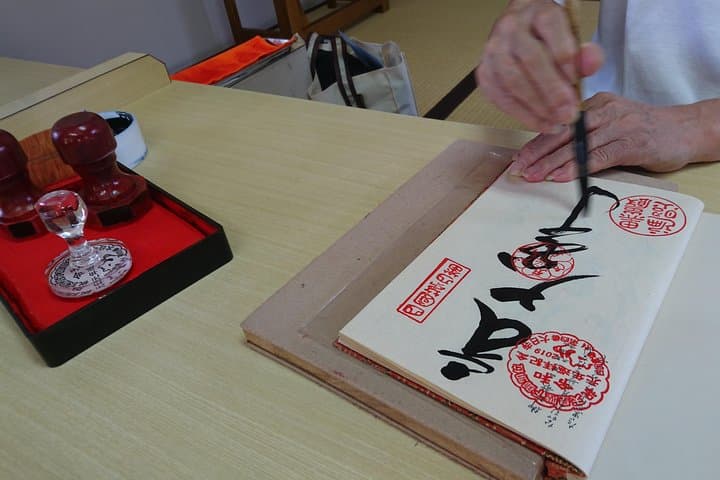
Practicalities: the standard itinerary runs about 7 hours and covers roughly 20–30 km of cycling with intermittent walks to temple precincts; elevation gain is low. Helmets and Brompton bikes are provided. Bring layered clothing, sun protection, water and a sutra stamp book if you intend to collect temple stamps. The tour is adaptable to slower paces and stops for photography or tea at local teahouses.
easy.
7 hours.
Suitable for casual cyclists and walkers; basic endurance for 20–30 km and short temple walks.
The route is classified easy: low elevation and short distances between the first six temples, suitable for most fitness levels and casual cyclists.
Yes — Brompton bicycles and helmets are included; you should still bring comfortable cycling clothing and personal items.
No — this pottering course focuses on temples No.1–No.6 and nearby cultural sites; it’s designed as an accessible introduction to the Henro.
Yes for beginners and older children who can handle basic bike control; it is not recommended for travelers with serious back, heart, or pregnancy-related restrictions.
The Shikoku Henro route developed between the Heian and Edo periods; Ryōzen-ji has long been the ceremonial starting temple for pilgrims in Tokushima.
This low-impact tour emphasizes walking and folding bikes to reduce road traffic; riders are asked to respect temple grounds, avoid littering and stick to designated paths.
BROMPTON SLOW CYCLING TOURS operates guided outdoor trips and adventures with an emphasis on safety, stewardship, and memorable experiences.
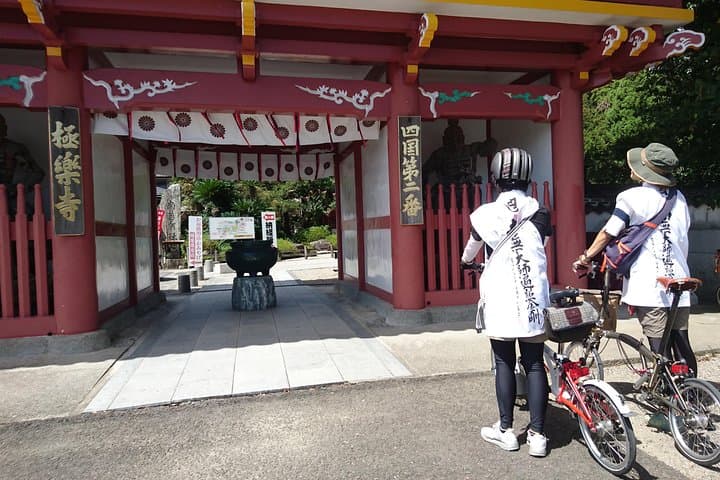
A cool morning at Tokushima Station sets the tone: folded Brompton frames click into place on a compact train, and the pace of pilgrimage switches from foot to pedal. Roll out at Ikeya Station and the landscape opens into lotus-root fields and low, cultivated plains while the sea keeps a steady, distant presence. The gate of Ryōzen-ji (Temple No. 1) announces the start of centuries-old ritual — sutra books in hand, the quiet of a walking route still insists that each step and turn matters.
A cool morning at Tokushima Station sets the tone: folded Brompton frames click into place on a compact train, and the pace of pilgrimage switches from foot to pedal. Roll out at Ikeya Station and the landscape opens into lotus-root fields and low, cultivated plains while the sea keeps a steady, distant presence. The gate of Ryōzen-ji (Temple No. 1) announces the start of centuries-old ritual — sutra books in hand, the quiet of a walking route still insists that each step and turn matters.
The Shikoku Henro traces routes used since the Heian and Edo periods; on this short loop the guide points out Edo-era stone markers and merchant lanes that survive away from the main road. Geologically the area is coastal plain carved by rivers and human agriculture, so climbs are modest and vistas favor rice paddies, shrine gardens and tiled temple roofs rather than alpine summits.
Culturally this stretch highlights temple ritual (bells, chozubachi water basins) and local idiosyncrasies — Omabiko Shrine and the Ninth Village’s German ties are nearby curiosities. Expect a mixed day of cycling and short walking pilgrim segments: mostly paved secondary roads and quiet temple paths, very little traffic, and a navigator who layers historical commentary with practical route choices.
Practicalities: the standard itinerary runs about 7 hours and covers roughly 20–30 km of cycling with intermittent walks to temple precincts; elevation gain is low. Helmets and Brompton bikes are provided. Bring layered clothing, sun protection, water and a sutra stamp book if you intend to collect temple stamps. The tour is adaptable to slower paces and stops for photography or tea at local teahouses.