THE ADVENTURE COLLECTIVE® · Independent discovery and booking for outdoor travel

Navigate Shibuya’s electric streets with a local who turns the famous scramble and hidden alleys into a portrait of daily Tokyo life. Expect concise history, food stops, and local tips across a two-hour private walk.
Navigate Shibuya’s electric streets with a local who turns the famous scramble and hidden alleys into a portrait of daily Tokyo life. Expect concise history, food stops, and local tips across a two-hour private walk.
You meet at Hachiko’s bronze gaze as the city exhales around you — neon signs blink, trains sigh beneath, and the famous scramble prepares to pulse. Your guide folds the chaos into a clear route: across the world’s busiest pedestrian crosswalk, down Center Gai’s energetic spine, and into quieter lanes where izakayas and independent shops keep older Shibuya alive.
Verified experiences and guided adventures in the surrounding area.
Operated by Guydeez · Shibuya, Tokyo
You meet at Hachiko’s bronze gaze as the city exhales around you — neon signs blink, trains sigh beneath, and the famous scramble prepares to pulse. Your guide folds the chaos into a clear route: across the world’s busiest pedestrian crosswalk, down Center Gai’s energetic spine, and into quieter lanes where izakayas and independent shops keep older Shibuya alive.
Shibuya grew from Edo-era fields to a 20th-century transport hub; the crossing and surrounding arcades reflect rapid modernization layered over neighborhood life. The ground here sits on young alluvial deposits from the nearby Sumida and Tama river systems, which helped shape Tokyo’s dense grid of rail and commerce. Culturally, Shibuya is where youth fashion and nightlife flex public identity — and small temple corners and long-running shops remind you Tokyo is not only forward-looking but grounded in local routines.
On this two-hour private walk expect 1–2 miles of mostly flat pavement, short stair choices at stations, and frequent stops for stories and photos. Your guide will point out architecture, popular food stops, and the social rhythms of the ward — where salarymen, students, and tourists cross paths.
Practical notes: bring comfortable shoes, a rechargeable travel card (Suica/Pasmo), and a portable charger; midday crowds are thick so schedule early mornings or late afternoons if you want smoother crossings. The tour is accessible and suitable for most fitness levels; punctuality makes the most of your guide’s local insights.
easy.
2–2 hours.
Suitable for most fitness levels; short periods of standing and walking on flat pavement.
Meet at the Hachiko Statue in front of Shibuya Station’s Hachiko Exit; guides will wait near the statue for easy visibility.
Yes — the route uses accessible sidewalks and has nearby public transport; notify the operator when booking for specific accommodations.
Guides are available in English, Spanish, French, and Italian depending on booking; confirm the language at reservation time.
The tour operates in light rain; for heavy storms you may be offered rescheduling or a full refund if canceled at least 24 hours before departure per booking policy.
Shibuya transformed from rural land in the late 19th century into a rail-centered commercial district; Hachiko’s story of loyalty became a cultural touchstone after the 1920s.
High foot traffic stresses sidewalks and local businesses; stick to litter rules, avoid blocking walkways, and support small shops to keep local character intact.
Guydeez operates guided outdoor trips and adventures with an emphasis on safety, stewardship, and memorable experiences.
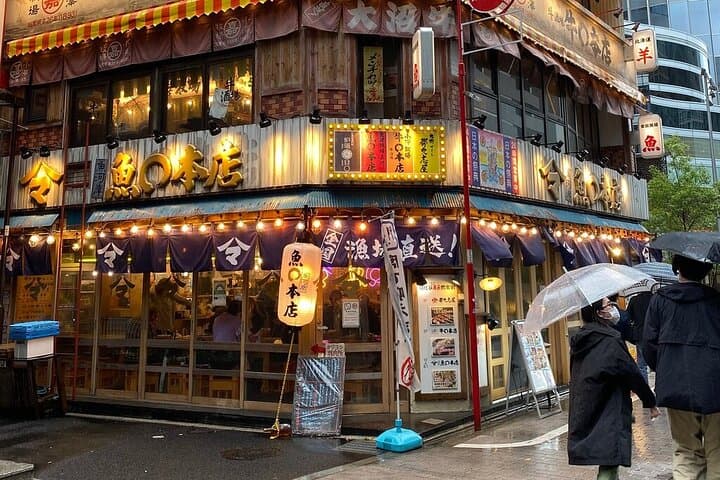
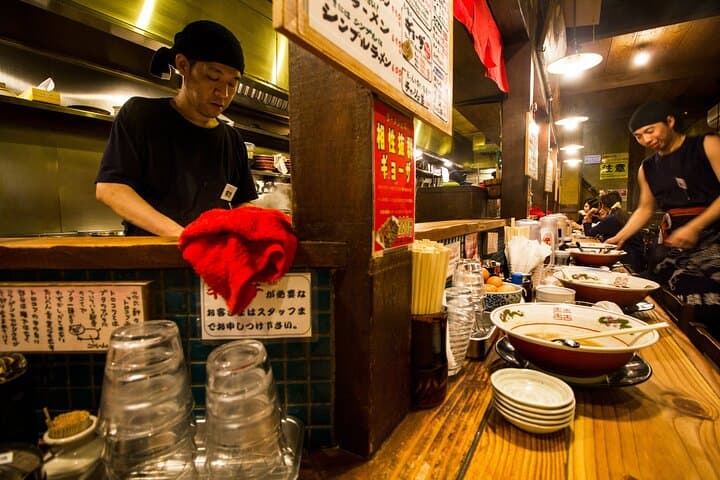
You meet at Hachiko’s bronze gaze as the city exhales around you — neon signs blink, trains sigh beneath, and the famous scramble prepares to pulse. Your guide folds the chaos into a clear route: across the world’s busiest pedestrian crosswalk, down Center Gai’s energetic spine, and into quieter lanes where izakayas and independent shops keep older Shibuya alive.
You meet at Hachiko’s bronze gaze as the city exhales around you — neon signs blink, trains sigh beneath, and the famous scramble prepares to pulse. Your guide folds the chaos into a clear route: across the world’s busiest pedestrian crosswalk, down Center Gai’s energetic spine, and into quieter lanes where izakayas and independent shops keep older Shibuya alive.
Shibuya grew from Edo-era fields to a 20th-century transport hub; the crossing and surrounding arcades reflect rapid modernization layered over neighborhood life. The ground here sits on young alluvial deposits from the nearby Sumida and Tama river systems, which helped shape Tokyo’s dense grid of rail and commerce. Culturally, Shibuya is where youth fashion and nightlife flex public identity — and small temple corners and long-running shops remind you Tokyo is not only forward-looking but grounded in local routines.
On this two-hour private walk expect 1–2 miles of mostly flat pavement, short stair choices at stations, and frequent stops for stories and photos. Your guide will point out architecture, popular food stops, and the social rhythms of the ward — where salarymen, students, and tourists cross paths.
Practical notes: bring comfortable shoes, a rechargeable travel card (Suica/Pasmo), and a portable charger; midday crowds are thick so schedule early mornings or late afternoons if you want smoother crossings. The tour is accessible and suitable for most fitness levels; punctuality makes the most of your guide’s local insights.