THE ADVENTURE COLLECTIVE® · Independent discovery and booking for outdoor travel

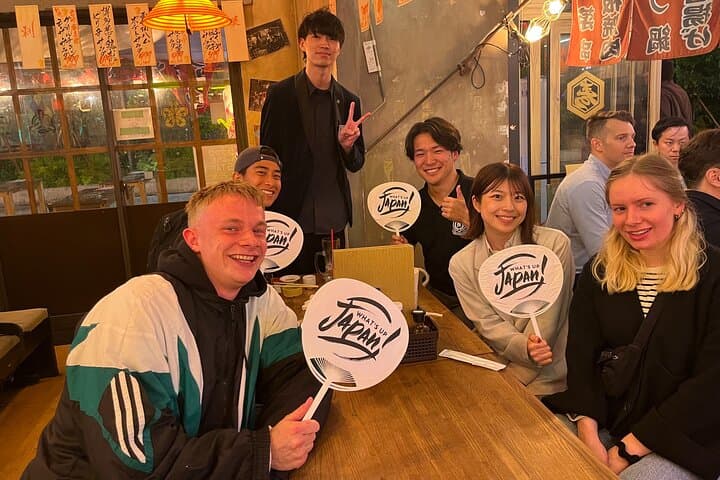
Move beyond the marquee lights of Shibuya and into alleyway izakayas with a local guide. This 3–4 hour night walk visits hidden bars and small kitchens—ideal for diners who want an authentic taste of Tokyo nightlife.
Move beyond the marquee lights of Shibuya and into alleyway izakayas with a local guide. This 3–4 hour night walk visits hidden bars and small kitchens—ideal for diners who want an authentic taste of Tokyo nightlife.
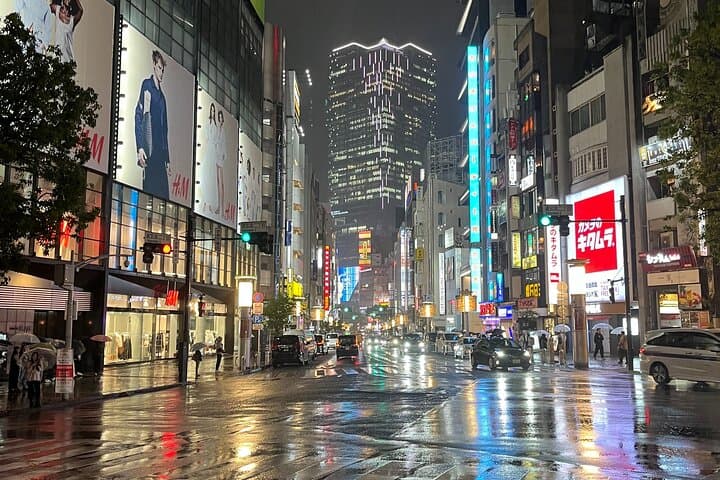
Crossing the Shibuya Scramble at dusk feels like stepping into a living map—neon signs blink, footsteps converge, and the city’s energy shifts into a steady, conversational hum.
Verified experiences and guided adventures in the surrounding area.
Operated by What's Up Japan! Guide · Tokyo, Tokyo
Crossing the Shibuya Scramble at dusk feels like stepping into a living map—neon signs blink, footsteps converge, and the city’s energy shifts into a steady, conversational hum.
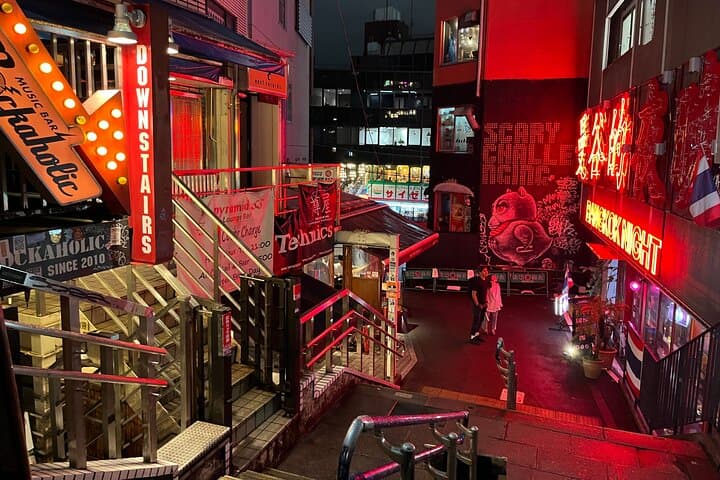
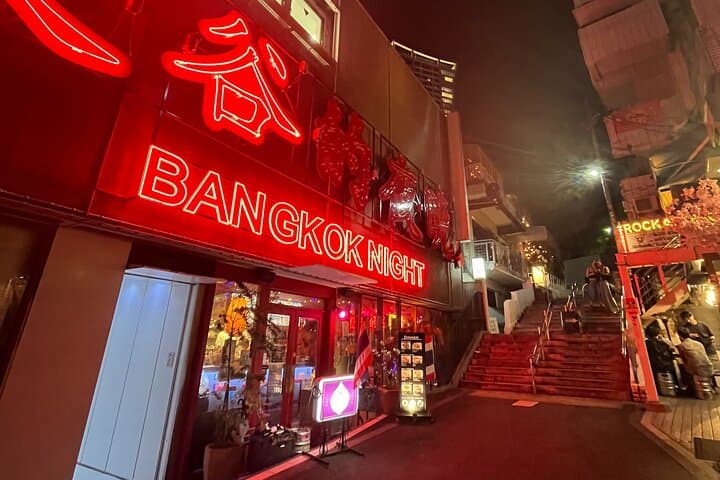
This guided night food walk threads through that energy, moving from the scramble toward narrower lanes where izakayas and tiny bars hold the real evening life. You’ll pass post-war alleys like Nonbei Yokocho, whose low ceilings and close tables recall Tokyo’s working-class evenings, then curve to Shinsen’s quieter gourmet streets where chefs run compact kitchens that prioritize craft over space.
Geologically, Shibuya sits on the flat Kanto Plain—an urban surface built over centuries of river channels and reclaimed land—so expect mostly flat, paved walking with short stair pitches into cellared restaurants. Culturally the tour shows Tokyo’s dual nature: public bustle and intimate dining rituals; historically you’ll see how neon-era development layered over older pockets like Nonbei, preserving small-scale nightlife amid megacity growth.
Practical guidance: the tour is 3–4 hours, includes multiple small plates and three drinks, and moves at an easy walking pace with brief stops. Cash is still useful in smaller bars; credit is accepted at larger places. Notify the operator of allergies in advance—gluten, soy, and seafood are common. Dress for standing and tight seating, and plan transport back to your hotel—Shibuya Station is the main hub. Respect local etiquette (quiet mobile use, modest volume) and savor the serendipity: this is less about single restaurants and more about a curated sequence of local flavors that reveal how Tokyo eats at night.
easy.
3–4 hours.
Light walking and standing for several short stops; suitable for average fitness levels
Typical duration is 3–4 hours with 4–6 small-plate stops including at least one alley bar and a sit-down eatery.
Simple requests can be noted, but the tour cannot guarantee full accommodation for strict vegetarian, vegan, or gluten-free needs—declare restrictions when booking.
Most tours meet near Shibuya Station (Hachiko exit); public transit options are extensive and the area is well-connected by train and subway.
Tipping is not customary; polite thanks and paying the bill are appropriate—guides typically include service in the tour price.
Shibuya’s modern image grew with post-war reconstruction and neon-era development; pockets like Nonbei Yokocho retain mid-20th-century bar culture.
Support small restaurants by finishing plates and avoiding single-use plastics; follow guide advice on waste and queueing etiquette to minimize impact.
What's Up Japan! Guide operates guided outdoor trips and adventures with an emphasis on safety, stewardship, and memorable experiences.
Crossing the Shibuya Scramble at dusk feels like stepping into a living map—neon signs blink, footsteps converge, and the city’s energy shifts into a steady, conversational hum.
Crossing the Shibuya Scramble at dusk feels like stepping into a living map—neon signs blink, footsteps converge, and the city’s energy shifts into a steady, conversational hum.
This guided night food walk threads through that energy, moving from the scramble toward narrower lanes where izakayas and tiny bars hold the real evening life. You’ll pass post-war alleys like Nonbei Yokocho, whose low ceilings and close tables recall Tokyo’s working-class evenings, then curve to Shinsen’s quieter gourmet streets where chefs run compact kitchens that prioritize craft over space.
Geologically, Shibuya sits on the flat Kanto Plain—an urban surface built over centuries of river channels and reclaimed land—so expect mostly flat, paved walking with short stair pitches into cellared restaurants. Culturally the tour shows Tokyo’s dual nature: public bustle and intimate dining rituals; historically you’ll see how neon-era development layered over older pockets like Nonbei, preserving small-scale nightlife amid megacity growth.
Practical guidance: the tour is 3–4 hours, includes multiple small plates and three drinks, and moves at an easy walking pace with brief stops. Cash is still useful in smaller bars; credit is accepted at larger places. Notify the operator of allergies in advance—gluten, soy, and seafood are common. Dress for standing and tight seating, and plan transport back to your hotel—Shibuya Station is the main hub. Respect local etiquette (quiet mobile use, modest volume) and savor the serendipity: this is less about single restaurants and more about a curated sequence of local flavors that reveal how Tokyo eats at night.