THE ADVENTURE COLLECTIVE® · Independent discovery and booking for outdoor travel

Move beyond Shibuya Crossing into narrow alleys and three discreet izakaya where charcoal grills, yakitori, and guided sake tastings reveal the pulse of local nightlife. This 3-hour guided walk pairs culinary explanation with practical etiquette tips.
Move beyond Shibuya Crossing into narrow alleys and three discreet izakaya where charcoal grills, yakitori, and guided sake tastings reveal the pulse of local nightlife. This 3-hour guided walk pairs culinary explanation with practical etiquette tips.
Walk out of Shibuya Station and the city exhales—neon arcs, a tide of commuters, and alleys that narrow until they feel private. On this 3-hour evening tour you thread those alleys with a local guide, slipping into three compact izakaya where the lights are low, the grills are hot, and the sake flows like a conversation.
Verified experiences and guided adventures in the surrounding area.
Operated by アオイ · Tokyo, Tokyo
Walk out of Shibuya Station and the city exhales—neon arcs, a tide of commuters, and alleys that narrow until they feel private. On this 3-hour evening tour you thread those alleys with a local guide, slipping into three compact izakaya where the lights are low, the grills are hot, and the sake flows like a conversation.
Shibuya evolved from a small post-town into Tokyo’s cultural crossroads; its izakaya culture traces back to Edo-period drinking stalls that catered to workers and travelers. Expect counters scarred by years of skewers and lacquered tables that have seen generations. The architecture is less about grand design and more about efficient hospitality—bar stools, a short menu, and a rhythm of order, eat, pay, move on.
You’ll sample two small dishes and one to two drinks at each stop: a meat-forward yakiniku spot, a yakitori bar where different chicken cuts are explained and grilled over charcoal, and a sake-focused shop offering guided tastings. Guides explain etiquette—when to say kanpai, how to pour for others, and subtle chopstick rules—so you leave feeling confident as well as sated.
Practical notes: the tour involves light standing and walking between nearby venues and works well for first-time visitors and repeaters seeking hidden venues. Wear comfortable shoes, carry an IC card or small cash, and book in advance—some spots are hard to access without a booking. Peak evenings fill quickly; for a quieter experience, choose a weekday start time.
easy.
3 hours.
Light walking and standing; suitable for most adults comfortable on their feet for short periods
The tour includes access to spots that are otherwise hard to book; you do not need to reserve separately—just book the tour.
The tour centers on meat and fish specialties but guides can often arrange vegetarian-friendly small dishes if notified in advance.
Tipping is not customary; service is included and polite refusal of tips is common—gratitude in words is appreciated.
Yes, but you must indicate allergies or restrictions when booking so guides can inform the venues in advance.
Izakaya in Tokyo evolved from Edo-era drinking stalls; Shibuya became a nightlife hub in the 20th century as rail connections and youth culture converged.
Help reduce waste by declining single-use plastic and using refillable water; support small businesses by following house rules and keeping group sizes modest.
アオイ operates guided outdoor trips and adventures with an emphasis on safety, stewardship, and memorable experiences.
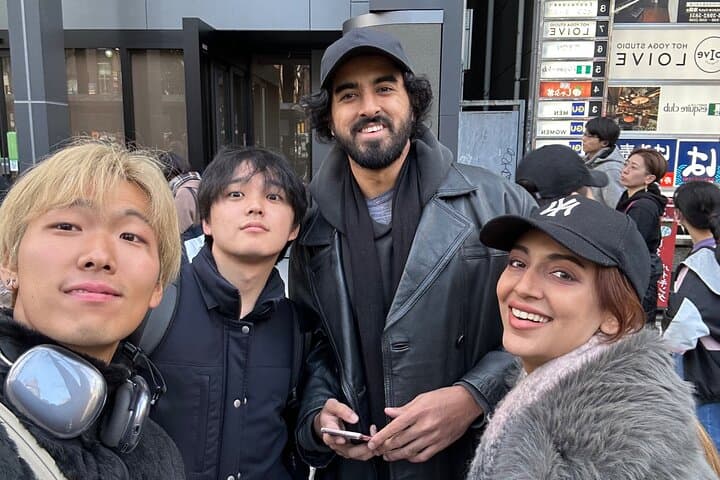
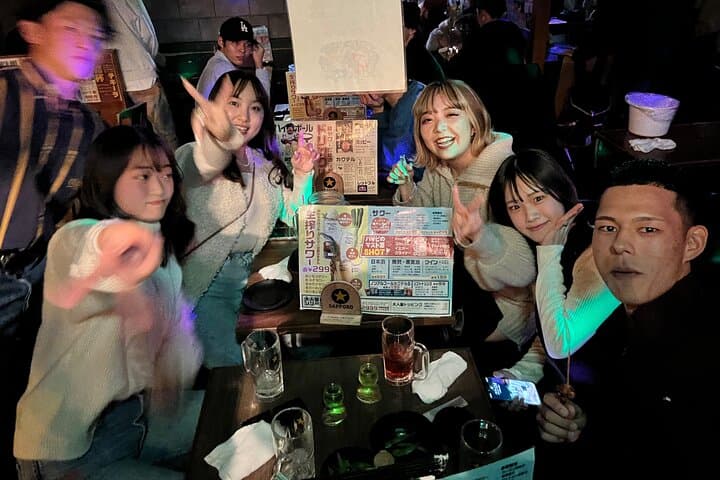
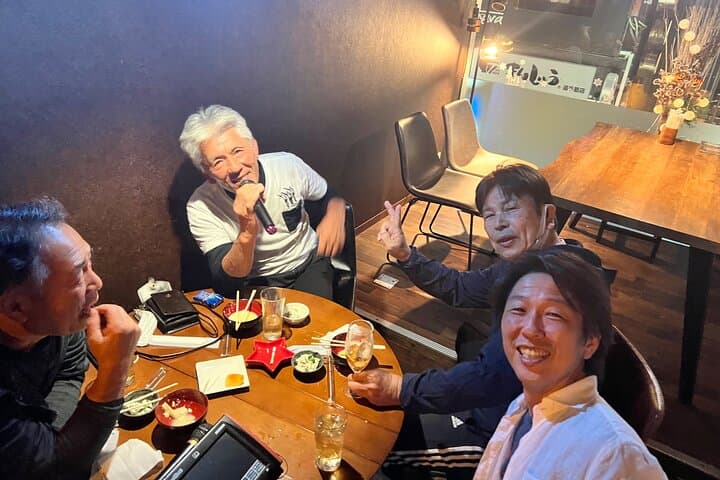
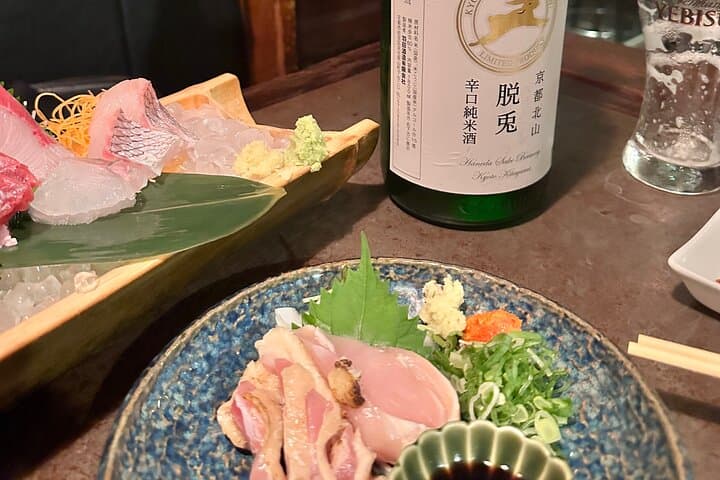
Walk out of Shibuya Station and the city exhales—neon arcs, a tide of commuters, and alleys that narrow until they feel private. On this 3-hour evening tour you thread those alleys with a local guide, slipping into three compact izakaya where the lights are low, the grills are hot, and the sake flows like a conversation.
Walk out of Shibuya Station and the city exhales—neon arcs, a tide of commuters, and alleys that narrow until they feel private. On this 3-hour evening tour you thread those alleys with a local guide, slipping into three compact izakaya where the lights are low, the grills are hot, and the sake flows like a conversation.
Shibuya evolved from a small post-town into Tokyo’s cultural crossroads; its izakaya culture traces back to Edo-period drinking stalls that catered to workers and travelers. Expect counters scarred by years of skewers and lacquered tables that have seen generations. The architecture is less about grand design and more about efficient hospitality—bar stools, a short menu, and a rhythm of order, eat, pay, move on.
You’ll sample two small dishes and one to two drinks at each stop: a meat-forward yakiniku spot, a yakitori bar where different chicken cuts are explained and grilled over charcoal, and a sake-focused shop offering guided tastings. Guides explain etiquette—when to say kanpai, how to pour for others, and subtle chopstick rules—so you leave feeling confident as well as sated.
Practical notes: the tour involves light standing and walking between nearby venues and works well for first-time visitors and repeaters seeking hidden venues. Wear comfortable shoes, carry an IC card or small cash, and book in advance—some spots are hard to access without a booking. Peak evenings fill quickly; for a quieter experience, choose a weekday start time.