THE ADVENTURE COLLECTIVE® · Independent discovery and booking for outdoor travel

Step off the scramble into Shibuya’s back alleys for two hours of izakaya food and drinks followed by a private hour of karaoke. This compact night tour offers a quick, local immersion in Tokyo’s dining and singing culture with easy transport access.
Step off the scramble into Shibuya’s back alleys for two hours of izakaya food and drinks followed by a private hour of karaoke. This compact night tour offers a quick, local immersion in Tokyo’s dining and singing culture with easy transport access.
The first light of neon cuts through cool evening air as you step off the scramble and into the narrow alleys behind Shibuya Station. A chorus of clinking glasses and low conversation pulls you toward a low-lit doorway where the host greets you—this is the start: two hours at a hidden izakaya, plates arriving in succession, and the slow burn of sake and highballs.
Verified experiences and guided adventures in the surrounding area.
Operated by GET AROUND JAPAN · Shibuya, Tokyo
The first light of neon cuts through cool evening air as you step off the scramble and into the narrow alleys behind Shibuya Station. A chorus of clinking glasses and low conversation pulls you toward a low-lit doorway where the host greets you—this is the start: two hours at a hidden izakaya, plates arriving in succession, and the slow burn of sake and highballs.
Shibuya’s lanes follow old waterways and gentle folds of land carved before the city’s modern grid; the area grew from Edo-era lanes to a post-war entertainment hub. Izakaya culture—pub-style communal dining—became a central part of Japanese urban life after World War II, while karaoke, invented in the early 1970s, turned private singing into a national pastime.
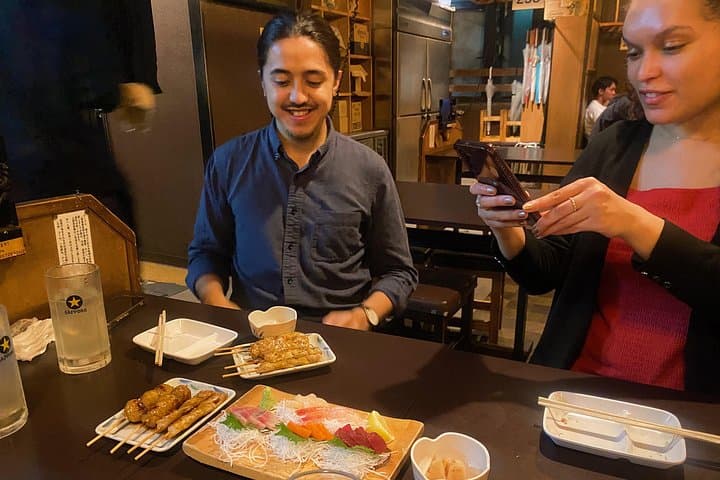
Expect small plates: grilled fish, karaage, skewers and pickles designed to pace the drinking. Conversation is casual, often punctuated by toasts. Later, a private karaoke room gives you a safe, raucous hour to sing without an audience beyond your group.
Practical notes: bring photo ID and an IC card or small cash for incidental purchases, and dress casually but tidy—many bars are compact with low ceilings and close seating. Watch your pace: Japanese pours can be generous and servers will refill; stay hydrated between rounds. Transport is simple—Shibuya Station runs late, but check the last train if you plan to stay past midnight. No tipping is expected; polite behavior (quiet phone calls, remove backpacks from seats) goes a long way.
This tour is social, low-effort and deeply local—an efficient way to read Tokyo’s nocturnal rhythms through food, drink and song.
easy.
3 hours.
Minimal physical exertion; able to stand and walk short distances between venues
The itinerary includes a two-hour drink package at the izakaya and an hour at karaoke according to the listing; confirm details at booking.
Yes — Japan’s legal drinking age is 20; bring valid ID to be served.
Tipping is not customary in Japan; a simple thank-you and polite behavior are appropriate.
Shibuya Station is well connected by JR and metro lines; check last train times or use taxis which are plentiful but more expensive after midnight.
Shibuya evolved from Edo-period lanes into an entertainment district; izakayas grew post-WWII as affordable social dining and karaoke became popular in the 1970s.
This tour runs in a dense urban setting—minimize waste by using reusable transit cards, dispose of trash in designated bins, and keep noise levels respectful of neighbors.
GET AROUND JAPAN operates guided outdoor trips and adventures with an emphasis on safety, stewardship, and memorable experiences.
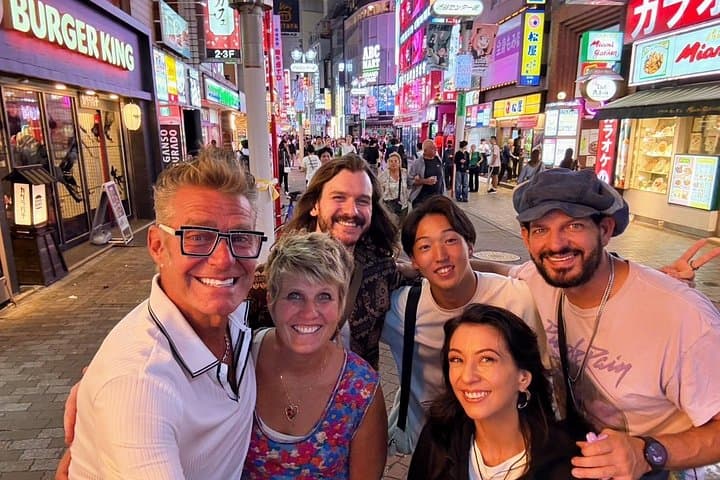
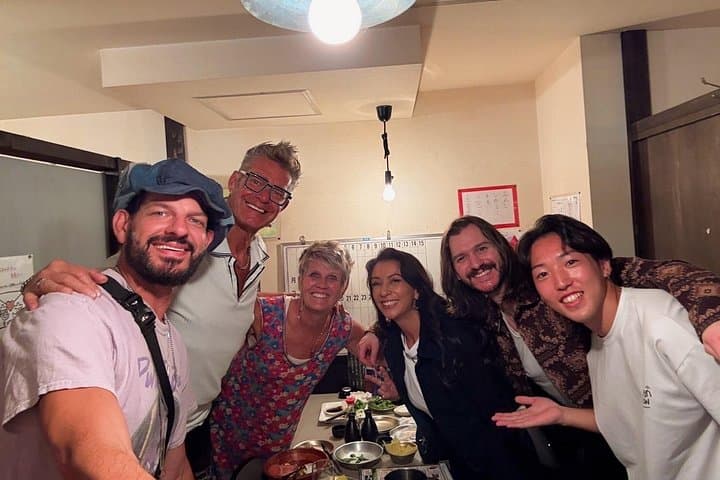
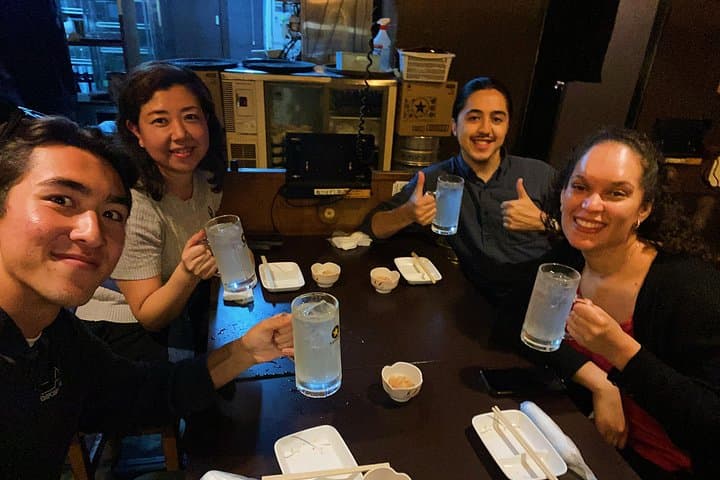
The first light of neon cuts through cool evening air as you step off the scramble and into the narrow alleys behind Shibuya Station. A chorus of clinking glasses and low conversation pulls you toward a low-lit doorway where the host greets you—this is the start: two hours at a hidden izakaya, plates arriving in succession, and the slow burn of sake and highballs.
The first light of neon cuts through cool evening air as you step off the scramble and into the narrow alleys behind Shibuya Station. A chorus of clinking glasses and low conversation pulls you toward a low-lit doorway where the host greets you—this is the start: two hours at a hidden izakaya, plates arriving in succession, and the slow burn of sake and highballs.
Shibuya’s lanes follow old waterways and gentle folds of land carved before the city’s modern grid; the area grew from Edo-era lanes to a post-war entertainment hub. Izakaya culture—pub-style communal dining—became a central part of Japanese urban life after World War II, while karaoke, invented in the early 1970s, turned private singing into a national pastime.
Expect small plates: grilled fish, karaage, skewers and pickles designed to pace the drinking. Conversation is casual, often punctuated by toasts. Later, a private karaoke room gives you a safe, raucous hour to sing without an audience beyond your group.
Practical notes: bring photo ID and an IC card or small cash for incidental purchases, and dress casually but tidy—many bars are compact with low ceilings and close seating. Watch your pace: Japanese pours can be generous and servers will refill; stay hydrated between rounds. Transport is simple—Shibuya Station runs late, but check the last train if you plan to stay past midnight. No tipping is expected; polite behavior (quiet phone calls, remove backpacks from seats) goes a long way.
This tour is social, low-effort and deeply local—an efficient way to read Tokyo’s nocturnal rhythms through food, drink and song.