THE ADVENTURE COLLECTIVE® · Independent discovery and booking for outdoor travel

Drive east from Sapporo for a full-day private tour that pairs Takinoue’s shibazakura slopes with Kamiyubetsu’s million-tulip display. This seasonal trip is ideal for photographers and garden lovers seeking concentrated spring color.
Drive east from Sapporo for a full-day private tour that pairs Takinoue’s shibazakura slopes with Kamiyubetsu’s million-tulip display. This seasonal trip is ideal for photographers and garden lovers seeking concentrated spring color.
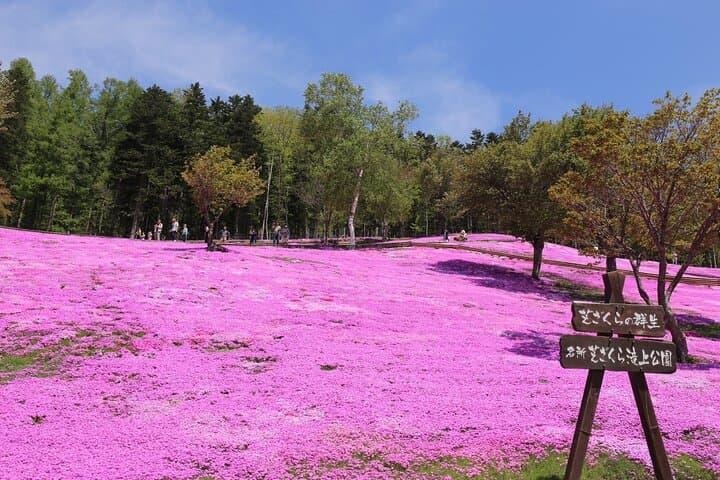
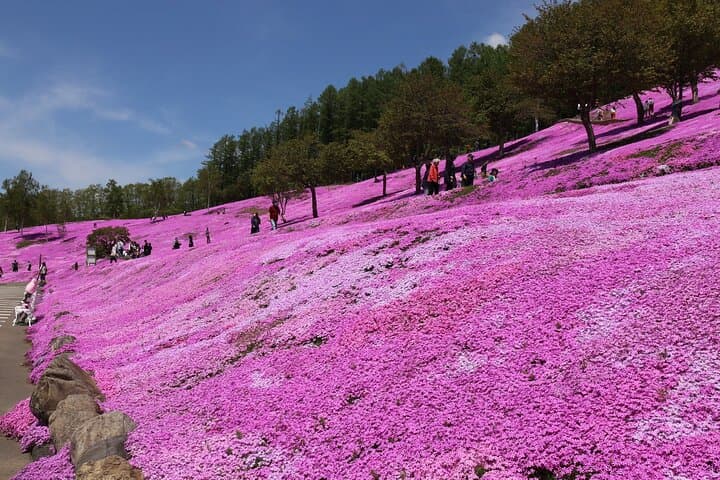
A low hum of the highway gives way to carpets of color: pink shibazakura rolling down gentle slopes, and rows of tulips standing like a disciplined crowd. On a private-car day trip from Sapporo, the roads of eastern Hokkaido open to seasonal gardens that exist for a brief, intense window each May.
Verified experiences and guided adventures in the surrounding area.
Operated by Tabi._.daruma · Sapporo, Hokkaido
A low hum of the highway gives way to carpets of color: pink shibazakura rolling down gentle slopes, and rows of tulips standing like a disciplined crowd. On a private-car day trip from Sapporo, the roads of eastern Hokkaido open to seasonal gardens that exist for a brief, intense window each May.
The shibazakura (moss phlox) displays are a relatively recent horticultural tradition in Hokkaido, cultivated after WWII as rural tourism grew; tulip cultivation arrived earlier through Dutch influence and local bulb-growing expertise. Geology here is simple—glacially smoothed lowlands and volcanic soils that drain well, which gardeners favor. You’ll pass farmland communities where culture is practical and food is sea- and field-driven: expect seafood lunches and roadside markets selling fresh bulbs.
Practically, this is a slow, sight-seeing day rather than a hike. Expect multiple short walks on paved and gravel paths, gentle elevation changes, and large crowds at peak bloom. Flowering times vary by a week depending on spring warmth—mid- to late May is the safer bet. Carry a light layer against coastal wind and a waterproof shell for sudden showers.
Timing matters: arrive early to avoid buses, and allow extra time for photography and vendor visits. Use sunscreen and a brimmed hat—the floral carpets reflect sunlight. If you favor quiet, ask your driver for alternate viewpoints and stay past midday when tour buses depart. The trip blends horticulture, relaxed driving, and easy walking—an accessible way to experience Hokkaido’s brief but spectacular spring show.
easy.
12 hours.
Suitable for most fitness levels; involves short, gentle walks and standing for photos.
Peak bloom generally occurs in May; shibazakura often earlier in the month and tulips mid- to late-May depending on spring temperatures.
Admissions are typically paid locally; check the tour inclusions—some private tours include parking fees but not park entry.
Yes—paths are mostly paved or compacted; the tour notes stroller and wheelchair accessibility but confirm mobility needs when booking.
Expect several hours round-trip driving; full-day tours are about 12 hours including stops and local transfers.
Flower festivals grew as post-war rural tourism developed in Hokkaido; local bulb growers and municipalities invested in large displays to attract spring visitors.
Respect seasonal paths and do not pick flowers; parks manage heavy visitor numbers with designated walkways and guidelines to protect bulbs and soil structure.
Tabi._.daruma operates guided outdoor trips and adventures with an emphasis on safety, stewardship, and memorable experiences.


A low hum of the highway gives way to carpets of color: pink shibazakura rolling down gentle slopes, and rows of tulips standing like a disciplined crowd. On a private-car day trip from Sapporo, the roads of eastern Hokkaido open to seasonal gardens that exist for a brief, intense window each May.
A low hum of the highway gives way to carpets of color: pink shibazakura rolling down gentle slopes, and rows of tulips standing like a disciplined crowd. On a private-car day trip from Sapporo, the roads of eastern Hokkaido open to seasonal gardens that exist for a brief, intense window each May.
The shibazakura (moss phlox) displays are a relatively recent horticultural tradition in Hokkaido, cultivated after WWII as rural tourism grew; tulip cultivation arrived earlier through Dutch influence and local bulb-growing expertise. Geology here is simple—glacially smoothed lowlands and volcanic soils that drain well, which gardeners favor. You’ll pass farmland communities where culture is practical and food is sea- and field-driven: expect seafood lunches and roadside markets selling fresh bulbs.
Practically, this is a slow, sight-seeing day rather than a hike. Expect multiple short walks on paved and gravel paths, gentle elevation changes, and large crowds at peak bloom. Flowering times vary by a week depending on spring warmth—mid- to late May is the safer bet. Carry a light layer against coastal wind and a waterproof shell for sudden showers.
Timing matters: arrive early to avoid buses, and allow extra time for photography and vendor visits. Use sunscreen and a brimmed hat—the floral carpets reflect sunlight. If you favor quiet, ask your driver for alternate viewpoints and stay past midday when tour buses depart. The trip blends horticulture, relaxed driving, and easy walking—an accessible way to experience Hokkaido’s brief but spectacular spring show.