THE ADVENTURE COLLECTIVE® · Independent discovery and booking for outdoor travel

Ride retro streets and riverside paths in Shibamata on a foldable-bike tour that blends temple history, local lunch, and coffee stops. Flat, easy cycling and a train fold make this a relaxed half-day exploration of Tokyo’s nostalgic edge.
Ride retro streets and riverside paths in Shibamata on a foldable-bike tour that blends temple history, local lunch, and coffee stops. Flat, easy cycling and a train fold make this a relaxed half-day exploration of Tokyo’s nostalgic edge.
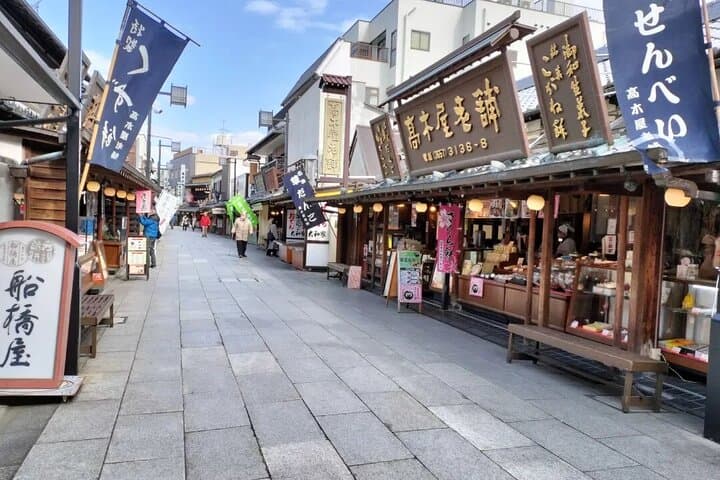
The ride begins on a quiet street where wooden shopfronts lean close and the air smells faintly of soy and roasting beans. Pedaling through Shibamata, the town slips into motion at a human pace—shopkeepers sweeping thresholds, lacquered signboards catching light—and the river a few blocks away dares you toward open water and wide sky.
Verified experiences and guided adventures in the surrounding area.
Operated by byFood · Tokyo, Tokyo
The ride begins on a quiet street where wooden shopfronts lean close and the air smells faintly of soy and roasting beans. Pedaling through Shibamata, the town slips into motion at a human pace—shopkeepers sweeping thresholds, lacquered signboards catching light—and the river a few blocks away dares you toward open water and wide sky.
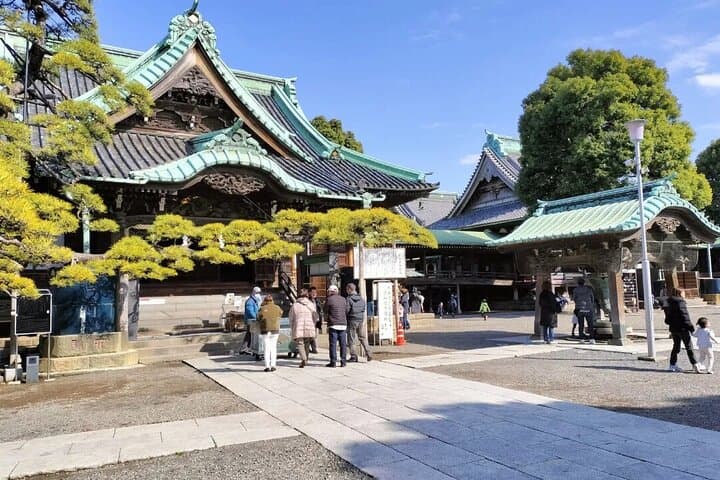
Shibamata’s Taishakuten Temple dates to the early Edo period (founded 1629) and offers carved gates and a history tied to local pilgrimage routes. Geologically this corner of Tokyo is low-lying alluvium deposited by the Arakawa and Edogawa rivers; the result is flat terrain and easy cycling rather than steep climbs. Culturally the area preserves post-war Tokyo atmospheres—retro storefronts, small cafés, and neighborhood festivals—making the tour as much about social history as scenery.
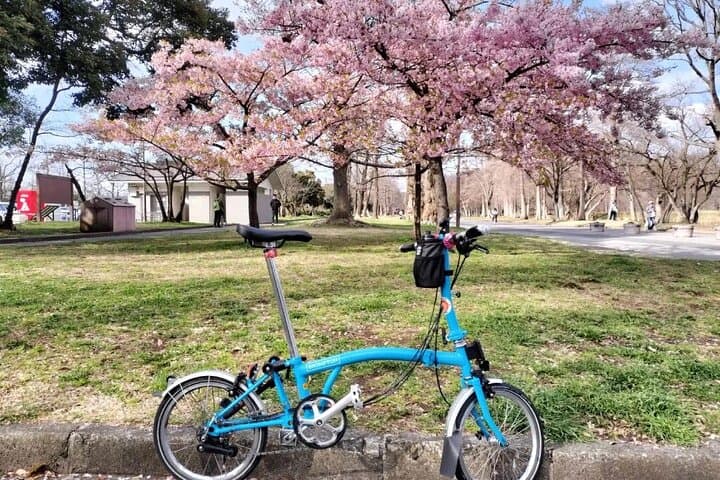
Expect roughly 10–15 km of gentle riding on paved city streets and the well-kept Edogawa Cycling Road, with negligible elevation gain (under 50 m total). The route includes a café stop, a local lunch, and a folded-bike train segment that shifts the pace from pedaler to passenger before you cycle back.
Practical notes: bikes are folding models with a 100 kg weight limit and best for riders 140–190 cm tall; helmets are provided. Wear comfortable shoes, bring a light rain layer in spring and summer, and plan for 5 hours with breaks. Hydrate on the riverbank, respect temple etiquette, and carry small change for shrine offerings and snacks—this ride rewards curiosity more than speed.
easy.
5 hours.
Suitable for most fitness levels; comfortable walking ability and basic cycling experience are sufficient
Yes—folding bicycles and helmets are supplied for the tour; helmets are mandatory and included in the price.
The provided folding bikes have a maximum weight limit of 100 kg and are best suited for riders 140–190 cm tall.
Yes—the course is mostly flat on paved paths and is rated easy; children and beginners can usually participate if they meet the size limits and can pedal safely.
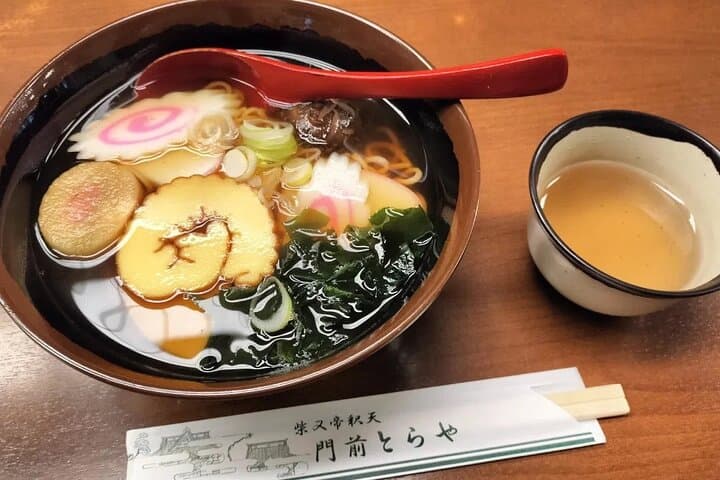
Lunch and a coffee stop are included; the itinerary notes a fee for a short train travel segment within the tour (covered by the tour).
Taishakuten Temple in Shibamata was founded in 1629 and has long served local devotion and seasonal festivals that shaped neighborhood life.
The Edogawa river corridor is managed for recreation and flood control—stay on paved paths, avoid trampling vegetation, and pack out trash to protect bird and fish habitat.
byFood operates guided outdoor trips and adventures with an emphasis on safety, stewardship, and memorable experiences.
The ride begins on a quiet street where wooden shopfronts lean close and the air smells faintly of soy and roasting beans. Pedaling through Shibamata, the town slips into motion at a human pace—shopkeepers sweeping thresholds, lacquered signboards catching light—and the river a few blocks away dares you toward open water and wide sky.
The ride begins on a quiet street where wooden shopfronts lean close and the air smells faintly of soy and roasting beans. Pedaling through Shibamata, the town slips into motion at a human pace—shopkeepers sweeping thresholds, lacquered signboards catching light—and the river a few blocks away dares you toward open water and wide sky.
Shibamata’s Taishakuten Temple dates to the early Edo period (founded 1629) and offers carved gates and a history tied to local pilgrimage routes. Geologically this corner of Tokyo is low-lying alluvium deposited by the Arakawa and Edogawa rivers; the result is flat terrain and easy cycling rather than steep climbs. Culturally the area preserves post-war Tokyo atmospheres—retro storefronts, small cafés, and neighborhood festivals—making the tour as much about social history as scenery.
Expect roughly 10–15 km of gentle riding on paved city streets and the well-kept Edogawa Cycling Road, with negligible elevation gain (under 50 m total). The route includes a café stop, a local lunch, and a folded-bike train segment that shifts the pace from pedaler to passenger before you cycle back.
Practical notes: bikes are folding models with a 100 kg weight limit and best for riders 140–190 cm tall; helmets are provided. Wear comfortable shoes, bring a light rain layer in spring and summer, and plan for 5 hours with breaks. Hydrate on the riverbank, respect temple etiquette, and carry small change for shrine offerings and snacks—this ride rewards curiosity more than speed.