THE ADVENTURE COLLECTIVE® · Independent discovery and booking for outdoor travel

Spend a day from Rethymnon into Crete's uplands visiting a traditional Mitato, watching cheese-making by hand and finishing with a long Cretan meal in Axos. Expect off-road driving, panoramic valleys and close encounters with local shepherding life.
Spend a day from Rethymnon into Crete's uplands visiting a traditional Mitato, watching cheese-making by hand and finishing with a long Cretan meal in Axos. Expect off-road driving, panoramic valleys and close encounters with local shepherding life.
You leave Rethymnon as the road loosens its grip on the coast and climbs into olive-scrubbed hills. The air sharpens—pine resin, thyme, dry stone—and the landscape opens into terraces and grazing slopes where goats pick their path above a pocket of blue sea.
Verified experiences and guided adventures in the surrounding area.
Operated by REMAZ TOURS GmbH · Rethymnon, Crete
You leave Rethymnon as the road loosens its grip on the coast and climbs into olive-scrubbed hills. The air sharpens—pine resin, thyme, dry stone—and the landscape opens into terraces and grazing slopes where goats pick their path above a pocket of blue sea.
This day tour threads modern Rethymnon with centuries of pastoral life. Mitata, original shepherds' huts, are low, circular stone buildings built to withstand mountain winds; they sit where shepherding families have kept herds for generations. The route passes Milopotamos and the historic Halepa Monastery—once a refuge in uprisings—offering a vantage across farming valleys and the island's higher peaks. Geology here is limestone and schist, carved by winter rains into gullies that channel spring wildflowers and house raptors.
At the Mitato the host demonstrates the Graviera and other Cretan cheeses: milking, curd handling and the salt-and-heat decisions that shape flavor. Hospitality arrives by way of raki and a long tavern meal in Axos—local olive oil, dakos, slow-cooked lamb—where conversation is as much a course as the food.
Practical notes: expect an off-road section and a mostly easy itinerary that lasts about 8–9 hours; bring sturdy shoes for uneven ground, sun protection, and a camera with a zoom for birds and bezoar goats. Respect private grazing land and ask before photographing people or livestock. The day is ideal for gentle walkers and anyone curious about rural Cretan life and food traditions.
easy.
8–9 hours.
Suitable for most fitness levels; involves short walks on uneven ground and multiple transfers by vehicle
The tour is about 8–9 hours with short, gentle walks and several vehicle transfers; pace is relaxed with time for tastings and photos.
Yes—it's rated easy and appropriate for a broad range of ages, though mobility issues may make uneven ground at the Mitato challenging.
Meals, local cheese tastings and a raki sample are included; confirm any dietary needs at booking.
You may spot raptors such as Bonelli's eagles and wild (bezoar) goats on the slopes, especially in quieter morning hours.
Shepherding in central and western Crete dates back millennia; mitata are stone refuges tied to transhumance practices and island subsistence farming.
Respect grazing rotations and private pastures; stick to paths and avoid leaving food or litter which can alter wildlife behavior and grazing patterns.
REMAZ TOURS GmbH operates guided outdoor trips and adventures with an emphasis on safety, stewardship, and memorable experiences.
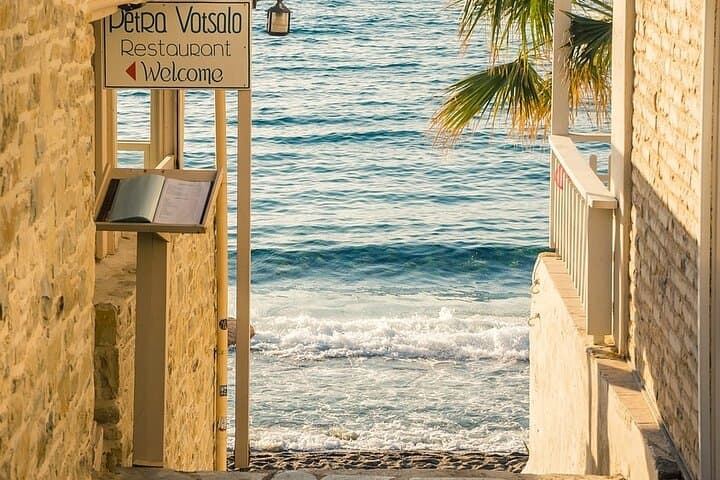
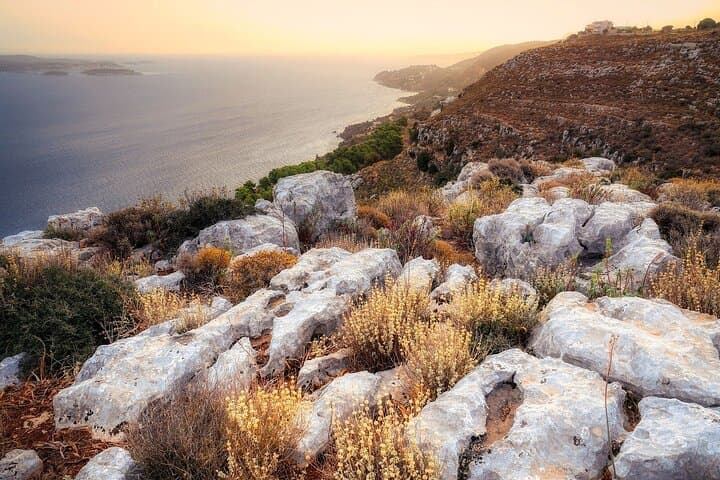
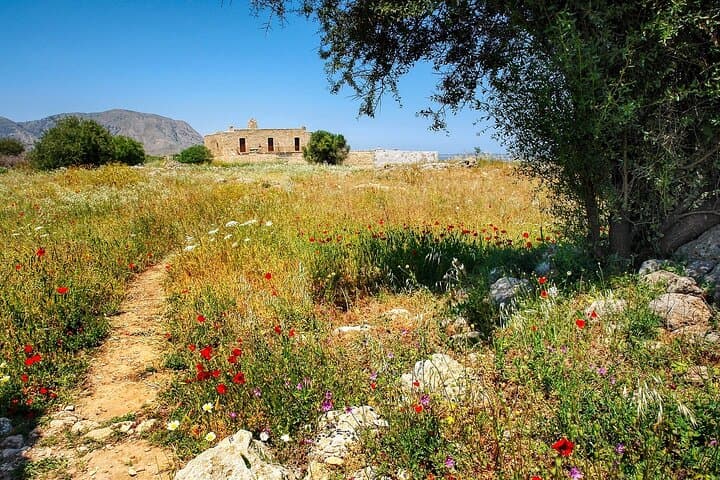
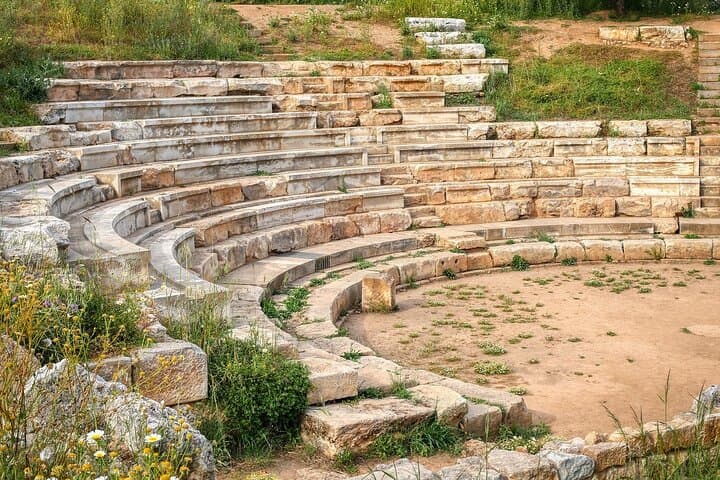
You leave Rethymnon as the road loosens its grip on the coast and climbs into olive-scrubbed hills. The air sharpens—pine resin, thyme, dry stone—and the landscape opens into terraces and grazing slopes where goats pick their path above a pocket of blue sea.
You leave Rethymnon as the road loosens its grip on the coast and climbs into olive-scrubbed hills. The air sharpens—pine resin, thyme, dry stone—and the landscape opens into terraces and grazing slopes where goats pick their path above a pocket of blue sea.
This day tour threads modern Rethymnon with centuries of pastoral life. Mitata, original shepherds' huts, are low, circular stone buildings built to withstand mountain winds; they sit where shepherding families have kept herds for generations. The route passes Milopotamos and the historic Halepa Monastery—once a refuge in uprisings—offering a vantage across farming valleys and the island's higher peaks. Geology here is limestone and schist, carved by winter rains into gullies that channel spring wildflowers and house raptors.
At the Mitato the host demonstrates the Graviera and other Cretan cheeses: milking, curd handling and the salt-and-heat decisions that shape flavor. Hospitality arrives by way of raki and a long tavern meal in Axos—local olive oil, dakos, slow-cooked lamb—where conversation is as much a course as the food.
Practical notes: expect an off-road section and a mostly easy itinerary that lasts about 8–9 hours; bring sturdy shoes for uneven ground, sun protection, and a camera with a zoom for birds and bezoar goats. Respect private grazing land and ask before photographing people or livestock. The day is ideal for gentle walkers and anyone curious about rural Cretan life and food traditions.