THE ADVENTURE COLLECTIVE® · Independent discovery and booking for outdoor travel

Float the South Fork of the Shenandoah on an 8-mile unguided kayak rental from Luray. Expect calm pools, limestone cliffs, abundant wildlife, and a 3–4 hour paddle suitable for most beginners.
Float the South Fork of the Shenandoah on an 8-mile unguided kayak rental from Luray. Expect calm pools, limestone cliffs, abundant wildlife, and a 3–4 hour paddle suitable for most beginners.
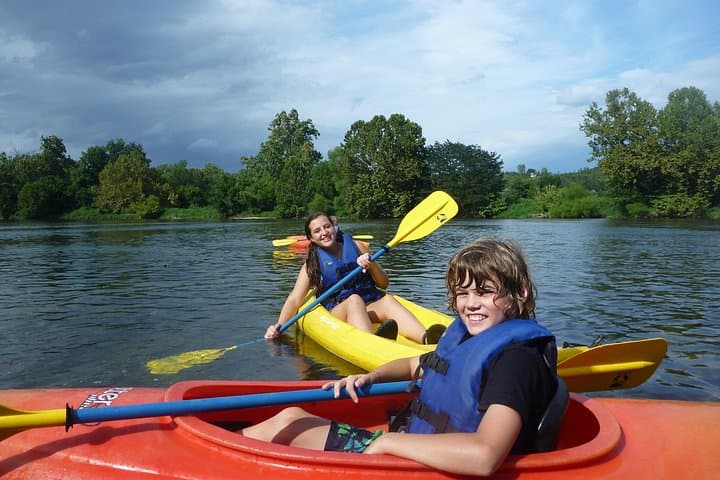
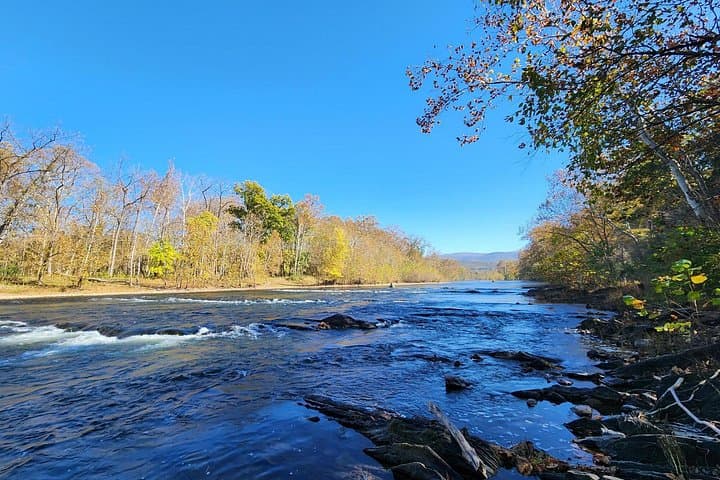
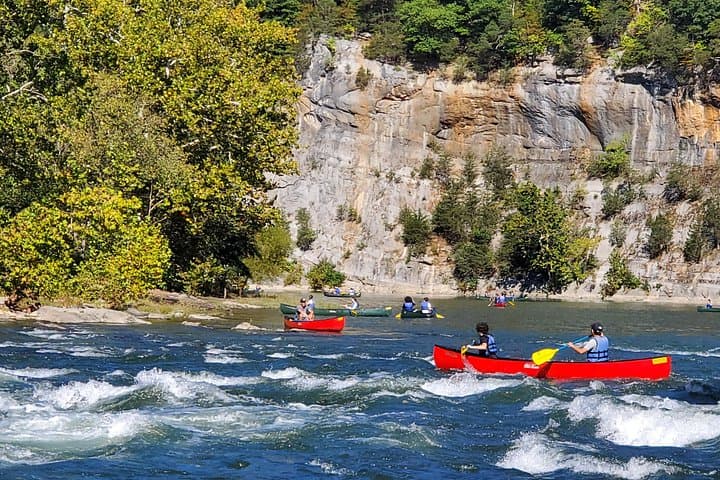
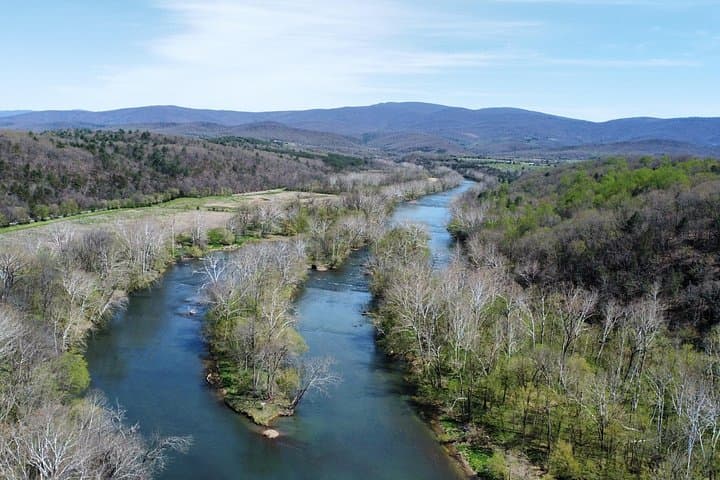
The South Fork of the Shenandoah pushes and pools with a steady confidence as you shove off from a gravel launch just outside Luray. Paddles bite and the river answers, widening between limestone cliffs and reaching through stands of sycamore and oak. Bald eagles wheel above; turtles sun themselves on driftwood. The current asks only that you pay attention and enjoy.
Verified experiences and guided adventures in the surrounding area.
Operated by Shenandoah River · Luray, Virginia
The South Fork of the Shenandoah pushes and pools with a steady confidence as you shove off from a gravel launch just outside Luray. Paddles bite and the river answers, widening between limestone cliffs and reaching through stands of sycamore and oak. Bald eagles wheel above; turtles sun themselves on driftwood. The current asks only that you pay attention and enjoy.
This stretch of the Shenandoah threads the northern Blue Ridge foothills. Geologically it's classic Valley and Ridge country — folded limestones and shale create cliffs, gravel bars, and shallow riffles. Luray’s history is braided with the river: mills, small farms, and 19th-century transport all used these waters, while today George Washington National Forest frames many river views and protects riparian habitat.
Expect a mix of flatwater cruising and mild current over about 8 miles; the outfitter rates the trip at 3–4 hours. Wildlife encounters are common; quiet paddling reveals herons, osprey, white-tailed deer at the shoreline and, if you time the day right, kingfishers darting like punctuation marks.
Practical edge: wear a secure life vest, bring a dry bag for keys and lunch, and plan for sun and changing conditions — shade is limited on open stretches. Leave no trace on the banks, respect private property, and carry out any fishing line or trash. For beginners this route is accessible; for paddlers who want more punch, local outfitters offer a whitewater option with stricter experience requirements.
moderate.
3–4 hours.
Suitable for most beginners who can sit and paddle intermittently for several hours; basic upper-body endurance recommended.
No — the 8-mile South Fork trip is suitable for beginners; the outfitter provides basic instruction and safety materials.
Yes — anglers commonly fish for smallmouth bass; bring a short, secured rod and follow state fishing regulations.
Yes — rentals include transportation to and from the river launch as noted in the trip inclusions.
Guests must be under 250 lbs per kayak and most trips accept paddlers aged roughly 9 to 75; confirm specifics at booking.
The Shenandoah River has long supported Valley agriculture and milling; nearby Luray grew as a river access point and gateway to karst landscapes such as Luray Caverns.
Practice leave-no-trace along shorelines, and rinse gear to prevent spread of invasive aquatic species; local outfitters support river stewardship and seasonal use limits.
Shenandoah River operates guided outdoor trips and adventures with an emphasis on safety, stewardship, and memorable experiences.
The South Fork of the Shenandoah pushes and pools with a steady confidence as you shove off from a gravel launch just outside Luray. Paddles bite and the river answers, widening between limestone cliffs and reaching through stands of sycamore and oak. Bald eagles wheel above; turtles sun themselves on driftwood. The current asks only that you pay attention and enjoy.
The South Fork of the Shenandoah pushes and pools with a steady confidence as you shove off from a gravel launch just outside Luray. Paddles bite and the river answers, widening between limestone cliffs and reaching through stands of sycamore and oak. Bald eagles wheel above; turtles sun themselves on driftwood. The current asks only that you pay attention and enjoy.
This stretch of the Shenandoah threads the northern Blue Ridge foothills. Geologically it's classic Valley and Ridge country — folded limestones and shale create cliffs, gravel bars, and shallow riffles. Luray’s history is braided with the river: mills, small farms, and 19th-century transport all used these waters, while today George Washington National Forest frames many river views and protects riparian habitat.
Expect a mix of flatwater cruising and mild current over about 8 miles; the outfitter rates the trip at 3–4 hours. Wildlife encounters are common; quiet paddling reveals herons, osprey, white-tailed deer at the shoreline and, if you time the day right, kingfishers darting like punctuation marks.
Practical edge: wear a secure life vest, bring a dry bag for keys and lunch, and plan for sun and changing conditions — shade is limited on open stretches. Leave no trace on the banks, respect private property, and carry out any fishing line or trash. For beginners this route is accessible; for paddlers who want more punch, local outfitters offer a whitewater option with stricter experience requirements.