THE ADVENTURE COLLECTIVE® · Independent discovery and booking for outdoor travel

Walk the working waterfront of Shem Creek with a local captain who links shrimpers’ craft to Charleston’s coastal history. This 90-minute tour blends hands-on dockside moments with practical insight into the creek’s ecology and culture.
Walk the working waterfront of Shem Creek with a local captain who links shrimpers’ craft to Charleston’s coastal history. This 90-minute tour blends hands-on dockside moments with practical insight into the creek’s ecology and culture.
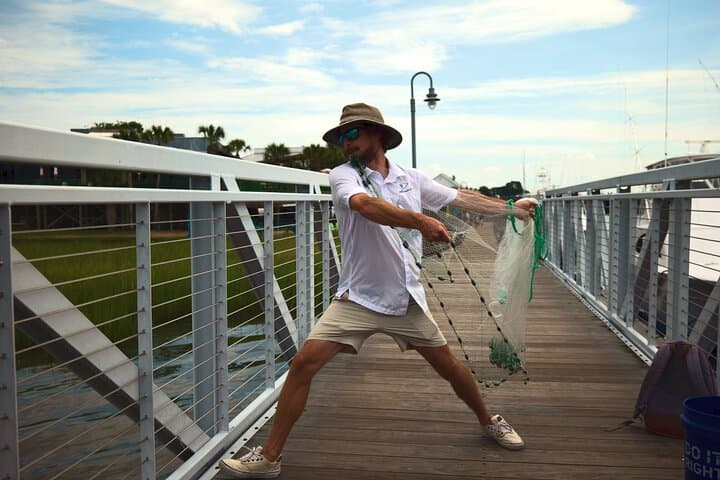
You step off Coleman Boulevard onto a weathered boardwalk and the creek takes over—salt air pressing at your face, the low creak of dock lines, and the scent of freshly hauled seafood daring you to learn more.
Verified experiences and guided adventures in the surrounding area.
Operated by Charleston Historic Tours LLC · Mount Pleasant, South Carolina
You step off Coleman Boulevard onto a weathered boardwalk and the creek takes over—salt air pressing at your face, the low creak of dock lines, and the scent of freshly hauled seafood daring you to learn more.
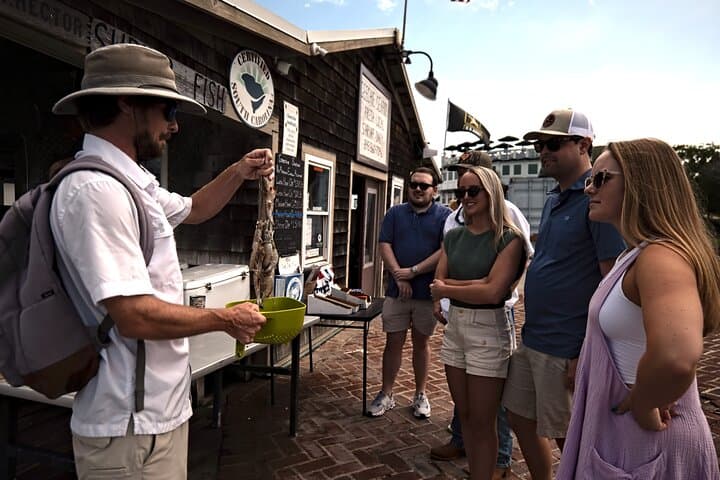
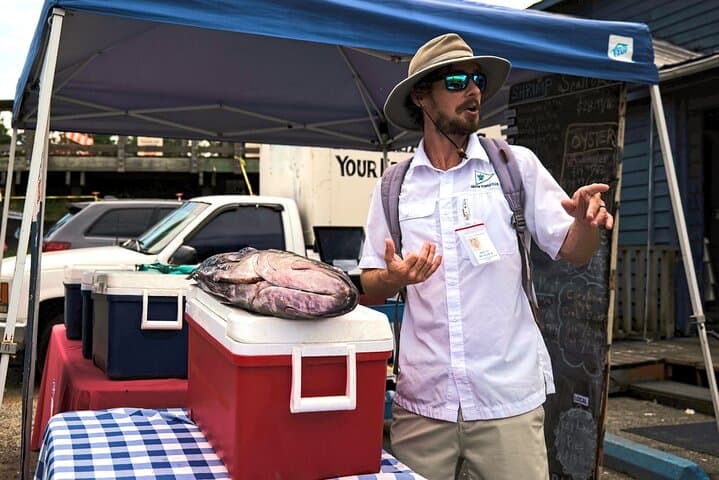
Captain Bryan leads the group with a knack for names and a patience for detail, moving from shrimp shacks to family docks where generations still fix nets and haul traps. The narration threads local history: Shem Creek’s rise as a commercial shrimping hub in the 19th and 20th centuries, the Hibben House as a surviving colonial-era marker, and how the Lowcountry’s marsh geology—tide-driven estuaries and shallow bars—made this shoreline ideal for trawlers.
Cultural context is central: conversations touch on Geechie/Gullah influences, the hard work of shrimpers, and the economic swings that shrank a once-large fleet. Interspersed are ecological notes about tidal flow, nursery marshes, and why waterways like Shem Creek sustain both wildlife and livelihoods.
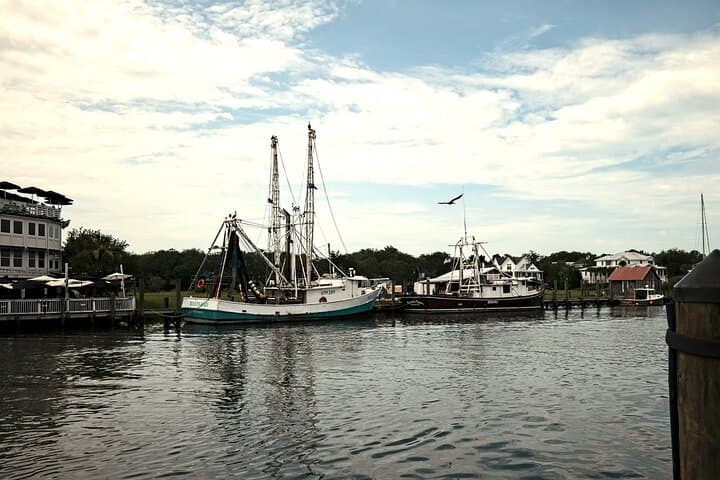
Practical guidance: expect roughly 1.5 miles of mostly flat walking on boardwalks and sidewalks over 90 minutes. Wear closed-toe shoes with traction, bring sun protection and water, and time the tour for cooler morning or late-afternoon hours in summer. Photography is easy—boats, working docks, and herons are common—but be respectful around private facilities and active crews. The experience is equal parts history lesson and field visit: you’ll leave with a clearer sense of how place, craft, and conservation intersect in Charleston’s working waterfront.
easy.
1.5 hours (90 minutes).
Suitable for most fitness levels—requires walking about 1.5 miles on mostly flat surfaces.
The tour is approximately 90 minutes and covers about 1.5 miles on flat boardwalks and sidewalks.
Guests often see working boats and family facilities; specific encounters depend on daily schedules and weather, so sightings aren’t guaranteed but are likely.
It’s family-friendly for children who can walk 1.5 miles; some boardwalk sections may be narrow—compact strollers can be used but check with the guide if mobility is a concern.
Service animals are permitted; non-service pets are generally not recommended due to docks and working areas—confirm with the operator before booking.
Shem Creek grew into a shrimping center in the 1800s as Charleston’s maritime economy expanded; by late 20th century the fleet declined dramatically, reshaping local livelihoods.
Tidal marshes and estuaries here are critical nursery habitat—development, water quality, and overfishing have stressed the system, so local guides emphasize low-impact visits and supporting sustainable seafood.
Charleston Historic Tours LLC operates guided outdoor trips and adventures with an emphasis on safety, stewardship, and memorable experiences.
You step off Coleman Boulevard onto a weathered boardwalk and the creek takes over—salt air pressing at your face, the low creak of dock lines, and the scent of freshly hauled seafood daring you to learn more.
You step off Coleman Boulevard onto a weathered boardwalk and the creek takes over—salt air pressing at your face, the low creak of dock lines, and the scent of freshly hauled seafood daring you to learn more.
Captain Bryan leads the group with a knack for names and a patience for detail, moving from shrimp shacks to family docks where generations still fix nets and haul traps. The narration threads local history: Shem Creek’s rise as a commercial shrimping hub in the 19th and 20th centuries, the Hibben House as a surviving colonial-era marker, and how the Lowcountry’s marsh geology—tide-driven estuaries and shallow bars—made this shoreline ideal for trawlers.
Cultural context is central: conversations touch on Geechie/Gullah influences, the hard work of shrimpers, and the economic swings that shrank a once-large fleet. Interspersed are ecological notes about tidal flow, nursery marshes, and why waterways like Shem Creek sustain both wildlife and livelihoods.
Practical guidance: expect roughly 1.5 miles of mostly flat walking on boardwalks and sidewalks over 90 minutes. Wear closed-toe shoes with traction, bring sun protection and water, and time the tour for cooler morning or late-afternoon hours in summer. Photography is easy—boats, working docks, and herons are common—but be respectful around private facilities and active crews. The experience is equal parts history lesson and field visit: you’ll leave with a clearer sense of how place, craft, and conservation intersect in Charleston’s working waterfront.