THE ADVENTURE COLLECTIVE® · Independent discovery and booking for outdoor travel

A swift 15-minute ferry from St. Andrews State Park delivers you to seven hundred acres of undeveloped beach where shell beds, nesting shorebirds, and wide horizons rule. Ideal for a half-day escape, this primitive barrier island rewards slow walking, careful shelling, and early light photography.
A swift 15-minute ferry from St. Andrews State Park delivers you to seven hundred acres of undeveloped beach where shell beds, nesting shorebirds, and wide horizons rule. Ideal for a half-day escape, this primitive barrier island rewards slow walking, careful shelling, and early light photography.
The motor hum drops to a soft, insistent thrum as the ferry slides away from the St. Andrews State Park pier. Salt fog tangles in the railings; gulls wheel and debate above the wake. In 15 minutes you cross a shallow sweep of bay—water the color of a faded aquamarine tile—then the shoreline opens into seven hundred acres of dune and beach: Shell Island, a living barrier that still behaves like one: dynamic, exposed, and generous with its shells.
Verified experiences and guided adventures in the surrounding area.
Operated by Guest Services Inc · Panama City Beach, Florida
The motor hum drops to a soft, insistent thrum as the ferry slides away from the St. Andrews State Park pier. Salt fog tangles in the railings; gulls wheel and debate above the wake. In 15 minutes you cross a shallow sweep of bay—water the color of a faded aquamarine tile—then the shoreline opens into seven hundred acres of dune and beach: Shell Island, a living barrier that still behaves like one: dynamic, exposed, and generous with its shells.
The island exists because of currents and storms. Sand deposited and sculpted over millennia formed a long finger protecting St. Andrews Bay, and that same action made the beaches rich pickings for mollusks and washed-up shells. Local fishermen and the indigenous peoples who lived in the area relied on the bay’s shallow flats; later, the island became a preserve to keep development from altering a coastline still in motion.
Today the ferry is about access and restraint—short rides, few facilities, and rules that matter. There are no bathrooms on the island and no lifeguards; the trip is deliberately low-impact so dunes, nesting shorebirds, and sea turtle nesting zones remain undisturbed. The pier at St. Andrews holds a small shop and restrooms; the island gives you open sand, shell beds that crunch underfoot, and a horizon that demands patience.
For travelers this is a place to slow. Walk north where the beach piles with whelks and coquina shells, or head down-island to find quieter coves where mullet skim the shallows. Bring a small pack, a shade shelter if you plan to stay, and a lightweight pair of shoes for the shell-strewn sand. Pay attention to posted nesting signs and avoid removing shells that still shelter living organisms—Florida Fish and Wildlife rules apply.
Timing matters: early departures mean cooler temperatures and softer light for photographs, while late afternoon brings longer shadows and fewer people. The trip is family-friendly—infants can ride in strollers and service animals are allowed—but be prepared: once you step onto the island, you’re in a primitive environment.
Practicalities: ferries run hourly from the St. Andrews pier; arrive 30 minutes before departure. Park admission is charged per vehicle or per pedestrian. Bring water, sunscreen, and a plan for returning—the ferry leaves on a schedule. Read the signs, respect nesting wildlife, and leave the place cleaner than you found it. The payoff is simple: a flat, wide beach that feels as if it belongs to the sea more than to any map.
easy.
3–6 hours.
Suitable for all fitness levels; expect walking on uneven, shell-strewn sand for extended periods.
The ferry crossing from St. Andrews State Park to Shell Island takes approximately 15 minutes each way.
No—Shell Island is kept primitive and has no restroom facilities; use restrooms at the pier before boarding.
Service animals are allowed, but pets are not generally permitted on the ferry or island; check operator policies beforehand.
Collecting empty shells for personal use is allowed, but removing shells that contain live organisms is prohibited to protect marine life.
No, there are no lifeguards on Shell Island—swim cautiously and be aware of changing tides and currents.
Yes—there are admission fees for St. Andrews State Park charged by vehicle or per pedestrian; bring cash or card for the entrance kiosk.
Shell Island formed over centuries as shoals and storm-driven sand built a protective barrier for St. Andrews Bay; it later became preserved to prevent development and protect nesting habitat.
Strict leave-no-trace rules and seasonal nesting closures help protect shorebirds and sea turtles; visitors should avoid disturbing dunes and signage indicates sensitive areas.
Guest Services Inc operates guided outdoor trips and adventures with an emphasis on safety, stewardship, and memorable experiences.
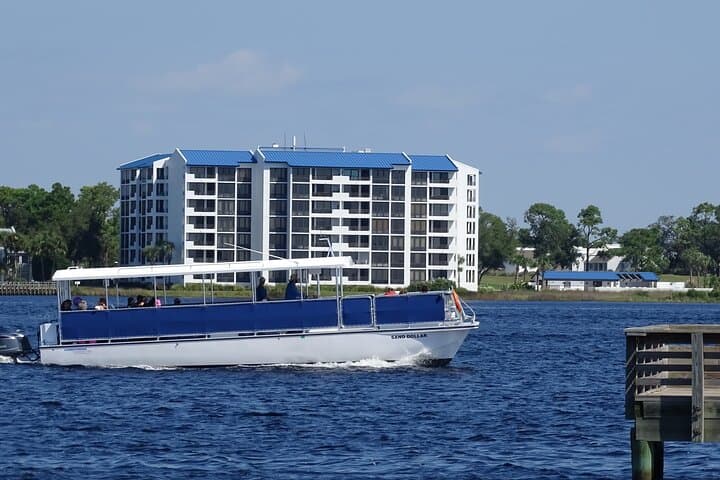
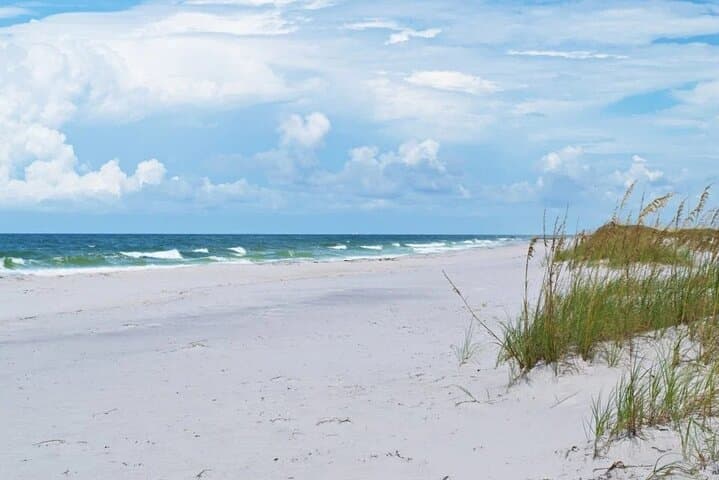
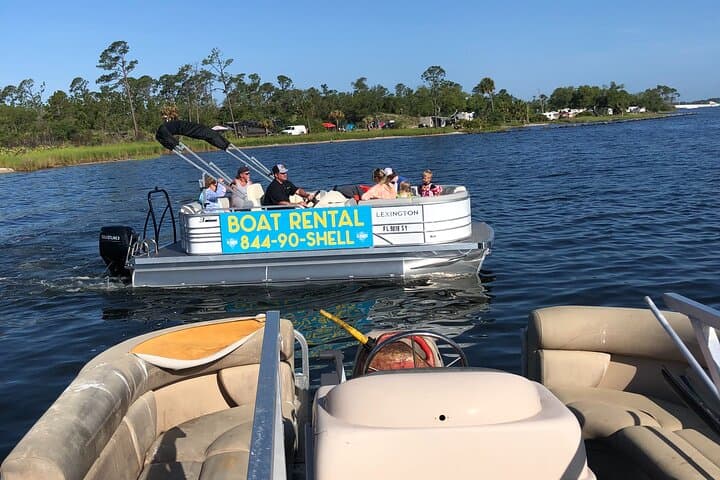
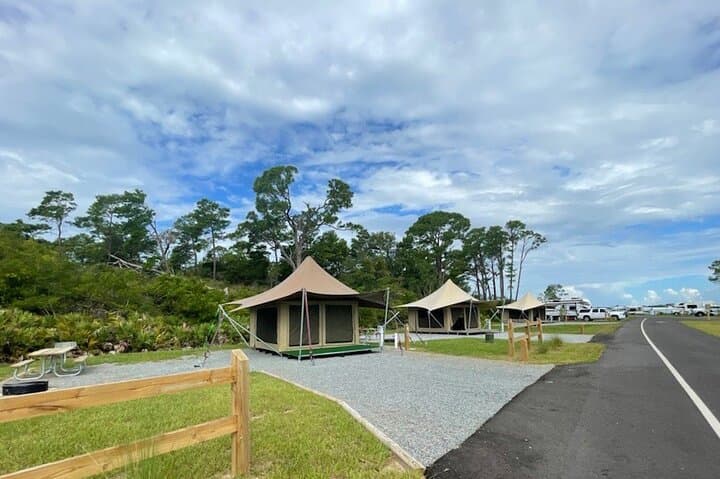
The motor hum drops to a soft, insistent thrum as the ferry slides away from the St. Andrews State Park pier. Salt fog tangles in the railings; gulls wheel and debate above the wake. In 15 minutes you cross a shallow sweep of bay—water the color of a faded aquamarine tile—then the shoreline opens into seven hundred acres of dune and beach: Shell Island, a living barrier that still behaves like one: dynamic, exposed, and generous with its shells.
The motor hum drops to a soft, insistent thrum as the ferry slides away from the St. Andrews State Park pier. Salt fog tangles in the railings; gulls wheel and debate above the wake. In 15 minutes you cross a shallow sweep of bay—water the color of a faded aquamarine tile—then the shoreline opens into seven hundred acres of dune and beach: Shell Island, a living barrier that still behaves like one: dynamic, exposed, and generous with its shells.
The island exists because of currents and storms. Sand deposited and sculpted over millennia formed a long finger protecting St. Andrews Bay, and that same action made the beaches rich pickings for mollusks and washed-up shells. Local fishermen and the indigenous peoples who lived in the area relied on the bay’s shallow flats; later, the island became a preserve to keep development from altering a coastline still in motion.
Today the ferry is about access and restraint—short rides, few facilities, and rules that matter. There are no bathrooms on the island and no lifeguards; the trip is deliberately low-impact so dunes, nesting shorebirds, and sea turtle nesting zones remain undisturbed. The pier at St. Andrews holds a small shop and restrooms; the island gives you open sand, shell beds that crunch underfoot, and a horizon that demands patience.
For travelers this is a place to slow. Walk north where the beach piles with whelks and coquina shells, or head down-island to find quieter coves where mullet skim the shallows. Bring a small pack, a shade shelter if you plan to stay, and a lightweight pair of shoes for the shell-strewn sand. Pay attention to posted nesting signs and avoid removing shells that still shelter living organisms—Florida Fish and Wildlife rules apply.
Timing matters: early departures mean cooler temperatures and softer light for photographs, while late afternoon brings longer shadows and fewer people. The trip is family-friendly—infants can ride in strollers and service animals are allowed—but be prepared: once you step onto the island, you’re in a primitive environment.
Practicalities: ferries run hourly from the St. Andrews pier; arrive 30 minutes before departure. Park admission is charged per vehicle or per pedestrian. Bring water, sunscreen, and a plan for returning—the ferry leaves on a schedule. Read the signs, respect nesting wildlife, and leave the place cleaner than you found it. The payoff is simple: a flat, wide beach that feels as if it belongs to the sea more than to any map.