THE ADVENTURE COLLECTIVE® · Independent discovery and booking for outdoor travel

Spend a long day driving from Baku into the Caucasus foothills to explore Sheki’s UNESCO-recognized Khan’s Palace, the caravanserai, and the ancient Albanian church at Kish. This private tour combines architectural splendor, local craftsmanship and village life into a single day of cultural discovery.
Spend a long day driving from Baku into the Caucasus foothills to explore Sheki’s UNESCO-recognized Khan’s Palace, the caravanserai, and the ancient Albanian church at Kish. This private tour combines architectural splendor, local craftsmanship and village life into a single day of cultural discovery.
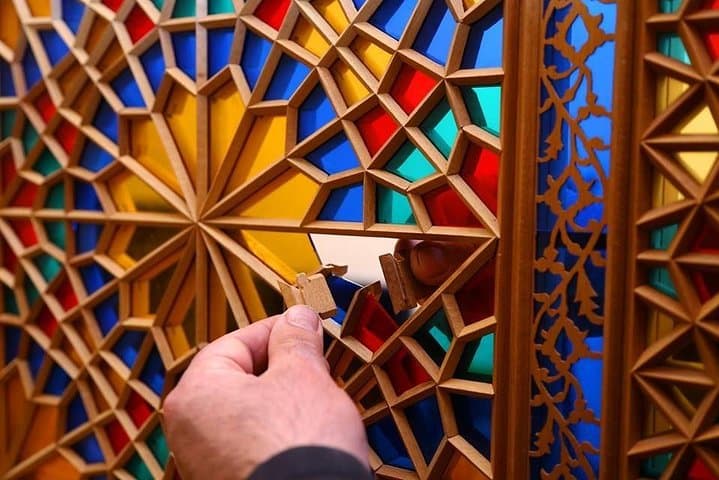
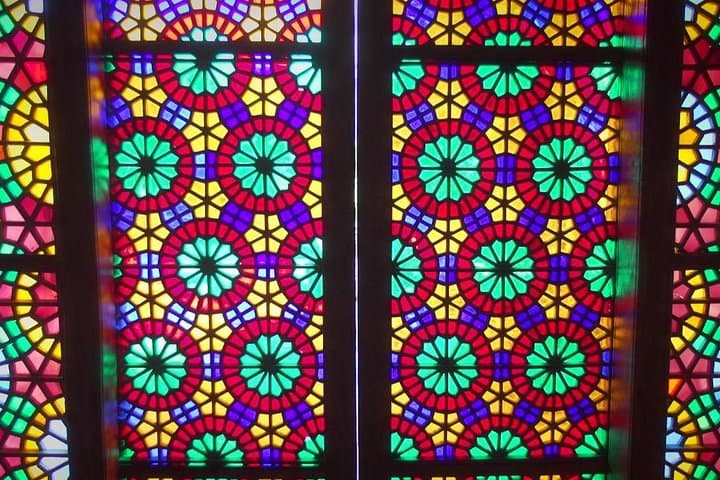
You arrive to Sheki by road as the Caucasus foothills open like pages in a slow-moving book: walnut orchards give way to stone houses and the river seems to dare you to follow it upstream. The town’s compact historic core sits on a gentle slope; sunlight catches the colored glass of shebeke lattices and throws shards of color across cobbled lanes.
Verified experiences and guided adventures in the surrounding area.
Operated by “Travelway Azerbaijan” · Sheki, Sheki District
You arrive to Sheki by road as the Caucasus foothills open like pages in a slow-moving book: walnut orchards give way to stone houses and the river seems to dare you to follow it upstream. The town’s compact historic core sits on a gentle slope; sunlight catches the colored glass of shebeke lattices and throws shards of color across cobbled lanes.
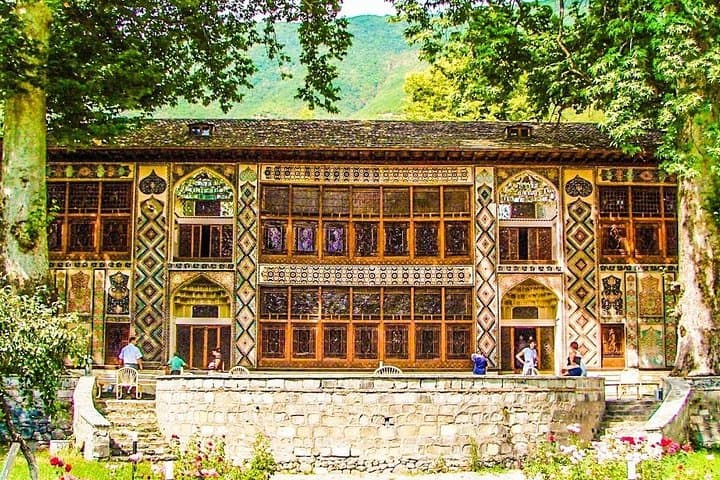
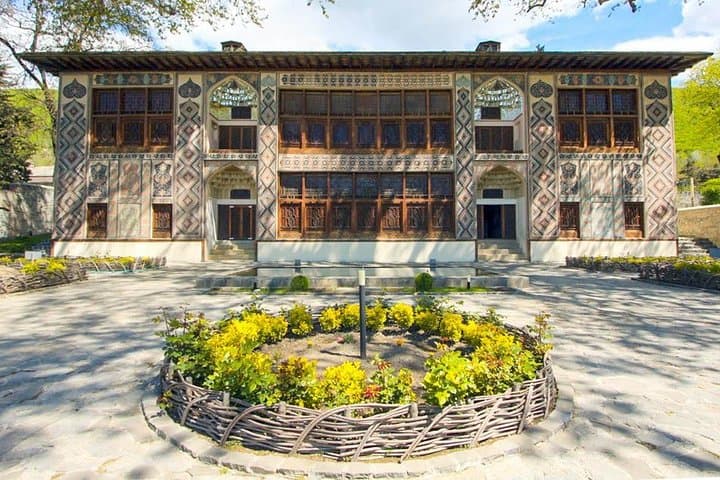
Sheki’s story stretches back to Silk Road commerce and earlier Scythian contacts; the Khan’s Palace (1762) still shows the lacquered murals and cedar ceilings that marked a wealthy stop on north–south trade routes. Geologically, the area is a transition from low foothills to karst outcrops; you’ll notice limestone bedrock and shallow terraces carved by seasonal streams. Kish Village, a short drive away, holds an early Christian Albanian church whose stonework speaks to layered cultures and contested borders.
Practically, the tour is a day-long cultural circuit: palace interiors, the caravanserai, fortress viewpoints and small village churches. Expect mostly paved walking, staircases and low-gradient climbs to lookouts; several sites require modest entrance fees and respectful dress for religious buildings. Local cuisine—sour plums, flaky baklava and slow-braised lamb—offers a direct route into regional culture.
Bring comfortable shoes, sun protection and a light jacket for variable mountain breezes. Start early from Baku to avoid afternoon heat and to make the most of museum hours. The rhythm here is measured: move deliberately through sunlight and shadow, and let the region’s craft traditions—like shebeke—explain themselves in color and geometry.
easy.
12 hours.
Light fitness—able to walk several hours with short climbs and stairs; mostly urban walking.
The drive is roughly 4–5 hours each way depending on traffic and stops; plan for a full 12-hour day with sightseeing.
Typical private tours may or may not include admission—confirm with your operator and carry small cash for tickets.
Yes; the itinerary is low-intensity walking, but infants should sit on a lap in vehicles and families should account for long drive times.
Tipping is customary for good service—10–15% of the tour price split between guide and driver is common practice.
Sheki’s prominence rose as a Silk Road market and later as the seat of a khanate; the Khan’s Palace and caravanserai reflect 18th-century regional wealth and craftsmanship.
Sheki’s historic core is protected as part of UNESCO listing efforts; visitors can help by avoiding single-use plastics and sticking to marked paths in fragile village environs.
“Travelway Azerbaijan” operates guided outdoor trips and adventures with an emphasis on safety, stewardship, and memorable experiences.
You arrive to Sheki by road as the Caucasus foothills open like pages in a slow-moving book: walnut orchards give way to stone houses and the river seems to dare you to follow it upstream. The town’s compact historic core sits on a gentle slope; sunlight catches the colored glass of shebeke lattices and throws shards of color across cobbled lanes.
You arrive to Sheki by road as the Caucasus foothills open like pages in a slow-moving book: walnut orchards give way to stone houses and the river seems to dare you to follow it upstream. The town’s compact historic core sits on a gentle slope; sunlight catches the colored glass of shebeke lattices and throws shards of color across cobbled lanes.
Sheki’s story stretches back to Silk Road commerce and earlier Scythian contacts; the Khan’s Palace (1762) still shows the lacquered murals and cedar ceilings that marked a wealthy stop on north–south trade routes. Geologically, the area is a transition from low foothills to karst outcrops; you’ll notice limestone bedrock and shallow terraces carved by seasonal streams. Kish Village, a short drive away, holds an early Christian Albanian church whose stonework speaks to layered cultures and contested borders.
Practically, the tour is a day-long cultural circuit: palace interiors, the caravanserai, fortress viewpoints and small village churches. Expect mostly paved walking, staircases and low-gradient climbs to lookouts; several sites require modest entrance fees and respectful dress for religious buildings. Local cuisine—sour plums, flaky baklava and slow-braised lamb—offers a direct route into regional culture.
Bring comfortable shoes, sun protection and a light jacket for variable mountain breezes. Start early from Baku to avoid afternoon heat and to make the most of museum hours. The rhythm here is measured: move deliberately through sunlight and shadow, and let the region’s craft traditions—like shebeke—explain themselves in color and geometry.