THE ADVENTURE COLLECTIVE® · Independent discovery and booking for outdoor travel

Drive into the foothills of the Greater Caucasus for a compact, two‑day immersion in Sheki’s khan palace, village churches, waterfalls and sweets. This guided overnight from Baku pairs scenic stops with local food and crafts.
Drive into the foothills of the Greater Caucasus for a compact, two‑day immersion in Sheki’s khan palace, village churches, waterfalls and sweets. This guided overnight from Baku pairs scenic stops with local food and crafts.
The road from Baku eases you out of coastal heat and into the Caucasus foothills: pine-dark slopes press close, the Kish River murmurs and villages slip past like chapters in a regional chronicle. By late afternoon you arrive in Sheki, where sun-softened stone streets lead to wooden balconies and the scent of baking pakhlava pulls you toward a small teahouse.
Verified experiences and guided adventures in the surrounding area.
Operated by Azerbaijanguide.az · Sheki, Shaki District
The road from Baku eases you out of coastal heat and into the Caucasus foothills: pine-dark slopes press close, the Kish River murmurs and villages slip past like chapters in a regional chronicle. By late afternoon you arrive in Sheki, where sun-softened stone streets lead to wooden balconies and the scent of baking pakhlava pulls you toward a small teahouse.
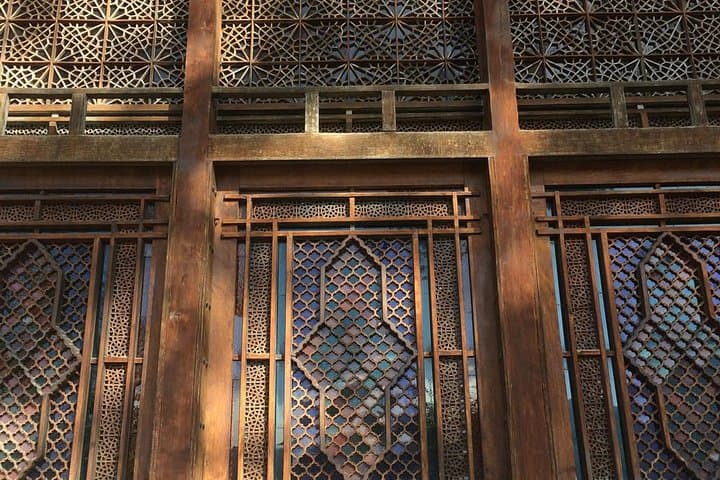
Sheki sits under the shadow of the Greater Caucasus, whose peaks climb to 3,000–3,600 m and shape local weather patterns. The town rose to prominence as a Silk Road stop; the Palace of the Shaki Khans (built 1797) stands as the clearest reminder — its painted panels and stained-glass sash windows speak to a mercantile past. Nearby Kish village preserves an early Christian (Albanian) church that underlines the region’s layered religious history.
Geology here matters: mountain forests temper summer heat, and rivers such as the Kish and Gurjhana feed valleys where mineral springs once drew Soviet visitors. Local culture is direct and convivial — shopkeepers offer stories as readily as sweets, and caravanserai courtyards still host travelers in modern guise.
Practical side: expect roughly 4–5 hours driving each way from Baku with scenic stops (Diri Baba mausoleum, Shamakhi’s Juma Mosque, village crafts, a forest lake). The tour includes one night in a boutique hotel and breakfast; walking is on cobbles and short trails. Pack layered clothing (June–August averages 20–25 °C), sturdy shoes, some cash for markets, and a light rain layer in spring/fall. Respect modest dress at religious sites and leave no trace on fragile mountain slopes.
easy.
2 days.
Suitable for travelers in average fitness: several hours of walking across uneven cobbles and short nature walks; minimal elevation gain during town visits.
Driving time is typically about 4–5 hours each way, depending on stops and traffic; the tour includes scenic stops en route.
The tour notes wheelchair-accessible transportation; accessibility at historic sites varies, so contact the operator ahead for specific needs.
Breakfast and one overnight stay are included; lunches and dinners at local restaurants are usually extra and paid on-site.
Late spring through early fall (May–September) offers mild weather and open village trails; June–August averages 20–25 °C during daytime.
Sheki was a Silk Road hub and summer residence of local khans; the Palace of the Shaki Khans (1797) showcases the town’s 18th-century prosperity and decorative arts.
Mountain forests help prevent floods and keep valley climates temperate; visitors should stick to paths, limit single-use plastics and support local businesses to reduce impact.
Azerbaijanguide.az operates guided outdoor trips and adventures with an emphasis on safety, stewardship, and memorable experiences.
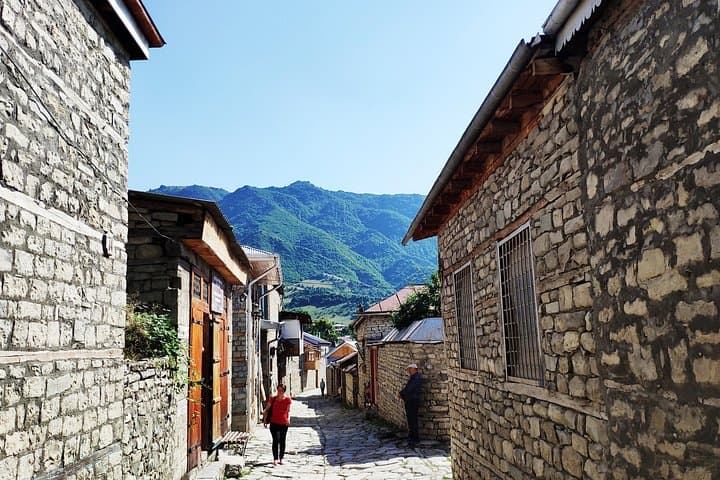
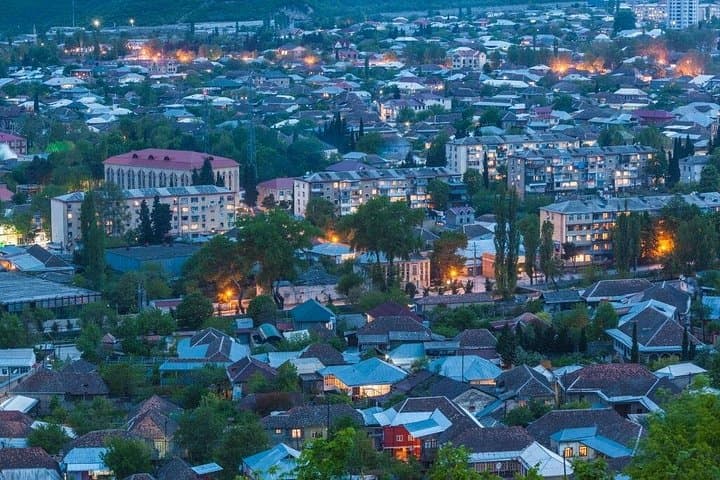
The road from Baku eases you out of coastal heat and into the Caucasus foothills: pine-dark slopes press close, the Kish River murmurs and villages slip past like chapters in a regional chronicle. By late afternoon you arrive in Sheki, where sun-softened stone streets lead to wooden balconies and the scent of baking pakhlava pulls you toward a small teahouse.
The road from Baku eases you out of coastal heat and into the Caucasus foothills: pine-dark slopes press close, the Kish River murmurs and villages slip past like chapters in a regional chronicle. By late afternoon you arrive in Sheki, where sun-softened stone streets lead to wooden balconies and the scent of baking pakhlava pulls you toward a small teahouse.
Sheki sits under the shadow of the Greater Caucasus, whose peaks climb to 3,000–3,600 m and shape local weather patterns. The town rose to prominence as a Silk Road stop; the Palace of the Shaki Khans (built 1797) stands as the clearest reminder — its painted panels and stained-glass sash windows speak to a mercantile past. Nearby Kish village preserves an early Christian (Albanian) church that underlines the region’s layered religious history.
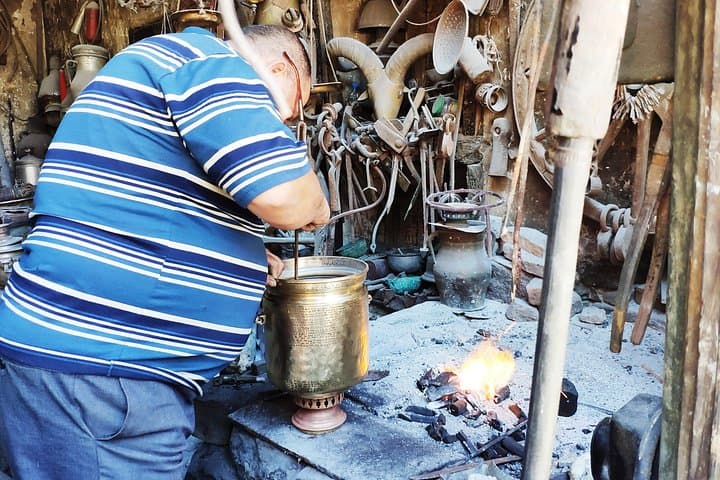
Geology here matters: mountain forests temper summer heat, and rivers such as the Kish and Gurjhana feed valleys where mineral springs once drew Soviet visitors. Local culture is direct and convivial — shopkeepers offer stories as readily as sweets, and caravanserai courtyards still host travelers in modern guise.
Practical side: expect roughly 4–5 hours driving each way from Baku with scenic stops (Diri Baba mausoleum, Shamakhi’s Juma Mosque, village crafts, a forest lake). The tour includes one night in a boutique hotel and breakfast; walking is on cobbles and short trails. Pack layered clothing (June–August averages 20–25 °C), sturdy shoes, some cash for markets, and a light rain layer in spring/fall. Respect modest dress at religious sites and leave no trace on fragile mountain slopes.