THE ADVENTURE COLLECTIVE® · Independent discovery and booking for outdoor travel

Step into Abu Dhabi’s Sheikh Zayed Grand Mosque on a private tour that pairs architectural awe with cultural context. This guide covers what to expect, how to prepare, and the best times to visit.
Step into Abu Dhabi’s Sheikh Zayed Grand Mosque on a private tour that pairs architectural awe with cultural context. This guide covers what to expect, how to prepare, and the best times to visit.
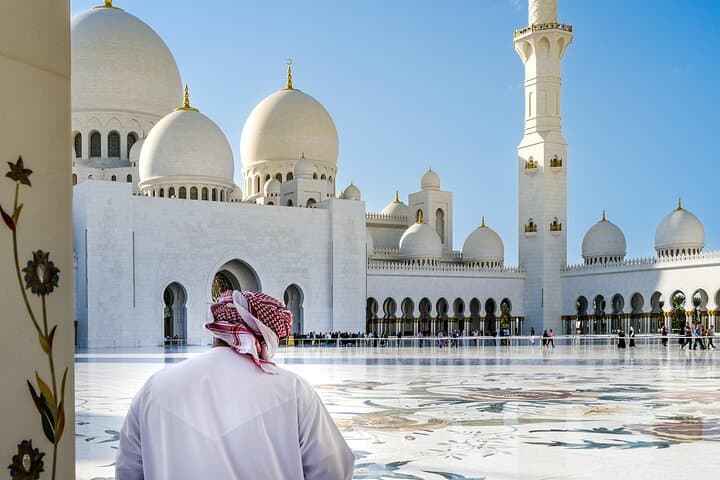
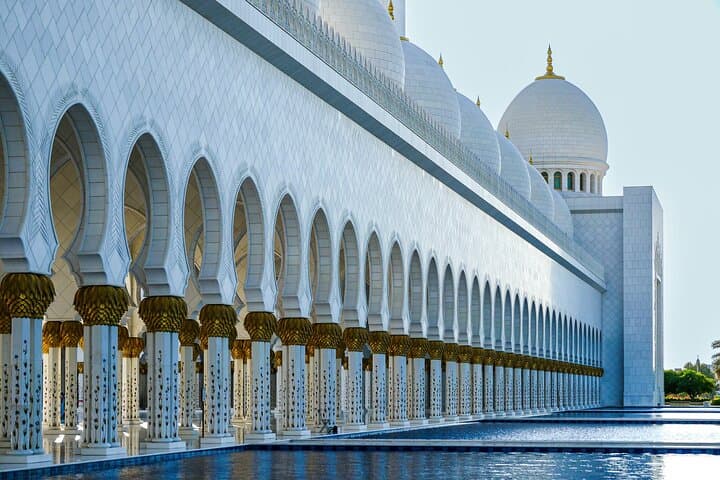
A hush of morning light spreads across polished white marble as you step from the minivan into the mosque’s broad forecourt. Reflecting pools catch the sky and throw it back, and the first domes—gleaming like pale moons—draw the eye inward. On a private tour the space feels measured and intimate: columns, calligraphy and floral inlays reveal themselves in sequence rather than all at once.
Verified experiences and guided adventures in the surrounding area.
Operated by VEGO TOURISM · Abu Dhabi, Abu Dhabi
A hush of morning light spreads across polished white marble as you step from the minivan into the mosque’s broad forecourt. Reflecting pools catch the sky and throw it back, and the first domes—gleaming like pale moons—draw the eye inward. On a private tour the space feels measured and intimate: columns, calligraphy and floral inlays reveal themselves in sequence rather than all at once.
The Sheikh Zayed Grand Mosque was completed in 2007 after more than a decade of construction and conceived to embody unity and tolerance by the UAE’s founding father, Sheikh Zayed bin Sultan Al Nahyan. Its 82 domes and main courtyard designed for 40,000 worshippers combine Persian, Mughal and Moorish motifs; 96 marble-clad columns and giant crystal chandeliers anchor the interior spectacle. Geologically neutral—this is built art rather than natural landscape—the mosque’s architecture frames the desert light and the engineered reflecting pools that emphasize symmetry and calm.
Culturally, the mosque is both active place of worship and public cultural site: prayer times, modest dress codes and quiet reverence shape the visit. Local guides will point out calligraphic inscriptions, materials sourced worldwide, and the significance of design choices.
Practical guidance: allow about five hours for pickup, guided time and transfers; wear conservative, breathable clothing (women may be asked to use an abaya provided on site), remove shoes in prayer halls, and bring a reusable water bottle to stay hydrated in the Abu Dhabi heat. Aim for early morning or late afternoon to avoid mid-day glare and crowds; the site is largely accessible and suitable for most travelers.
easy.
5 hours.
Suitable for all fitness levels; involves several hours of standing and short walks on level surfaces
Yes; the Sheikh Zayed Grand Mosque welcomes visitors of all faiths outside of designated prayer times and during major religious holidays.
Yes; the site and provided transport are wheelchair accessible and staff can assist with ramps and adapted facilities.
Modest dress is required: long trousers for men, long sleeves and headscarf for women (abayas and head coverings are usually available at the visitor center).
Photography is allowed in most public areas but avoid photographing worshippers during prayers; follow guide or staff directions in restricted spaces.
Commissioned by Sheikh Zayed bin Sultan Al Nahyan and completed in 2007, the mosque intentionally blends multiple Islamic architectural traditions to symbolize unity.
The site manages large water and landscaping needs sensitively; visitors are encouraged to minimize waste, stay on pathways, and respect maintenance zones.
VEGO TOURISM operates guided outdoor trips and adventures with an emphasis on safety, stewardship, and memorable experiences.


A hush of morning light spreads across polished white marble as you step from the minivan into the mosque’s broad forecourt. Reflecting pools catch the sky and throw it back, and the first domes—gleaming like pale moons—draw the eye inward. On a private tour the space feels measured and intimate: columns, calligraphy and floral inlays reveal themselves in sequence rather than all at once.
A hush of morning light spreads across polished white marble as you step from the minivan into the mosque’s broad forecourt. Reflecting pools catch the sky and throw it back, and the first domes—gleaming like pale moons—draw the eye inward. On a private tour the space feels measured and intimate: columns, calligraphy and floral inlays reveal themselves in sequence rather than all at once.
The Sheikh Zayed Grand Mosque was completed in 2007 after more than a decade of construction and conceived to embody unity and tolerance by the UAE’s founding father, Sheikh Zayed bin Sultan Al Nahyan. Its 82 domes and main courtyard designed for 40,000 worshippers combine Persian, Mughal and Moorish motifs; 96 marble-clad columns and giant crystal chandeliers anchor the interior spectacle. Geologically neutral—this is built art rather than natural landscape—the mosque’s architecture frames the desert light and the engineered reflecting pools that emphasize symmetry and calm.
Culturally, the mosque is both active place of worship and public cultural site: prayer times, modest dress codes and quiet reverence shape the visit. Local guides will point out calligraphic inscriptions, materials sourced worldwide, and the significance of design choices.
Practical guidance: allow about five hours for pickup, guided time and transfers; wear conservative, breathable clothing (women may be asked to use an abaya provided on site), remove shoes in prayer halls, and bring a reusable water bottle to stay hydrated in the Abu Dhabi heat. Aim for early morning or late afternoon to avoid mid-day glare and crowds; the site is largely accessible and suitable for most travelers.