THE ADVENTURE COLLECTIVE® · Independent discovery and booking for outdoor travel

Experience Sheikh Zayed Grand Mosque with private luxury transfer and guided entry. This three-hour tour combines architectural highlights, cultural context, and practical comforts for a respectful, relaxed visit.
Experience Sheikh Zayed Grand Mosque with private luxury transfer and guided entry. This three-hour tour combines architectural highlights, cultural context, and practical comforts for a respectful, relaxed visit.
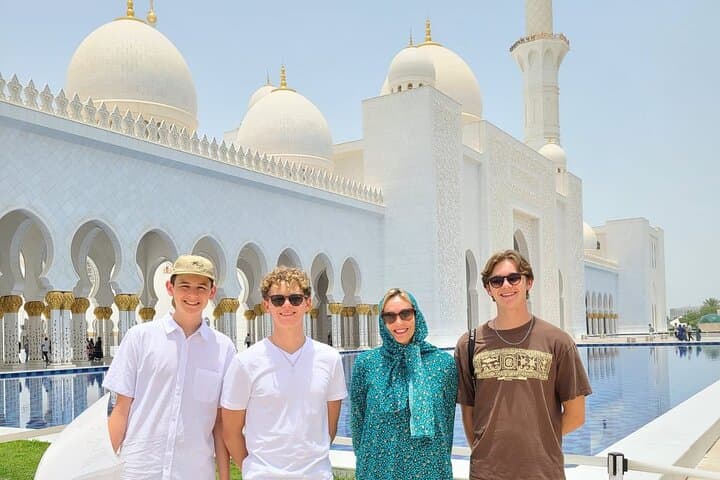
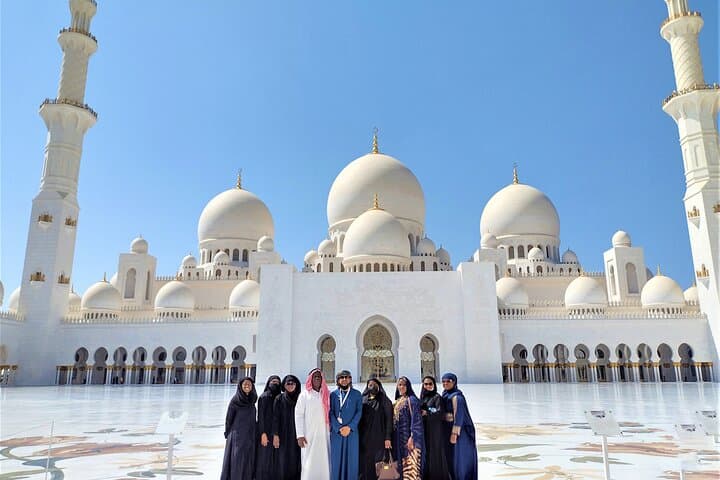
The first sight arrives before you step out of the vehicle: a wash of white marble catching the low Abu Dhabi sun, domes and arches outlined like a skyline of quiet intent.
Verified experiences and guided adventures in the surrounding area.
Operated by Muhammad Rafiq Faisal · Abu Dhabi, Abu Dhabi
The first sight arrives before you step out of the vehicle: a wash of white marble catching the low Abu Dhabi sun, domes and arches outlined like a skyline of quiet intent.
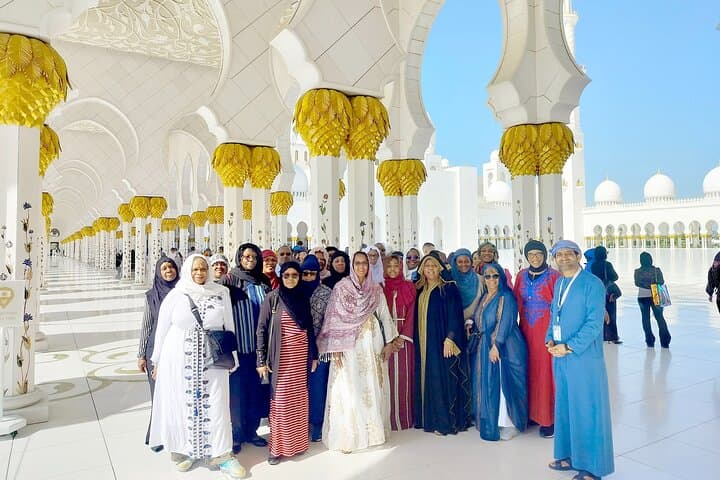
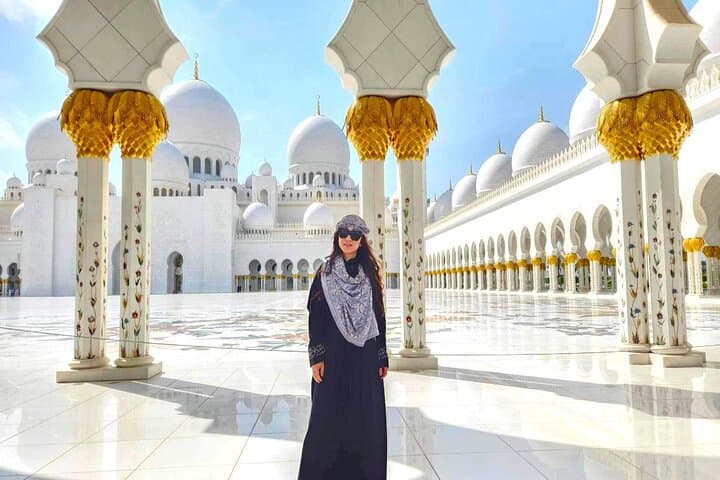
You move across polished courtyards where the reflective pools dare you to slow down and take it all in. The main prayer hall opens as a measured hush — the world’s largest hand-knotted carpet spreads under seven enormous chandeliers that pull your eye up to a ceiling of soft floral motifs. Visitors speak in careful tones; the place asks for reverence.
Built between 1996 and 2007, the Sheikh Zayed Grand Mosque combines Moorish, Mughal and Arab architectural influences, designed to bridge cultures and faiths. The marble cladding, semi-precious stone inlay and mirrored pools sit on reclaimed coastal plain — geology that lends the site its cool, reflective character in the heat of the emirate.
Culturally, the mosque functions as both a working place of worship and a center for learning; guided visits offer context on prayer practices, architectural symbolism and conservation work that keeps the marble and chandeliers pristine.
Practical guidance: allow roughly 3–3.5 hours for pickup, transit and a relaxed visit. Dress conservatively — long sleeves and long trousers; women will be asked to wear an abaya and headscarf if not already covered. Shoes are removed at entrances; choose slip-on footwear. Bring water, avoid peak heat between 12–15:00 in summer, and keep conversations low to respect worshippers. Photography is allowed in many areas but follow guide instructions and don’t block prayer flows. With private transfer, timing and accessibility are straightforward — arrive early for softer light and fewer crowds.
easy.
3–3.5 hours.
Suitable for all fitness levels; mostly walking on level, paved surfaces with some standing.
Yes — modest attire covering arms and legs is required; women will be expected to cover their hair and may be asked to wear an abaya provided on site.
Photography is permitted in most public areas; follow your guide’s instructions and avoid using flash in prayer halls or when worshippers are present.
Yes — the site is wheelchair accessible with ramps and accessible routes; inform the operator in advance to arrange suitable transport and assistance.
Some areas may be restricted during regular prayer sessions; your guide will advise on timing to avoid conflicts and respect worshippers.
Commissioned by the late Sheikh Zayed and completed in 2007, the mosque intentionally blends multiple Islamic architectural traditions to symbolize unity.
Management limits visitor impact through controlled access, regular maintenance of marble and chandeliers, and clear visitor guidelines to protect surfaces and artworks.
Muhammad Rafiq Faisal operates guided outdoor trips and adventures with an emphasis on safety, stewardship, and memorable experiences.
The first sight arrives before you step out of the vehicle: a wash of white marble catching the low Abu Dhabi sun, domes and arches outlined like a skyline of quiet intent.
The first sight arrives before you step out of the vehicle: a wash of white marble catching the low Abu Dhabi sun, domes and arches outlined like a skyline of quiet intent.
You move across polished courtyards where the reflective pools dare you to slow down and take it all in. The main prayer hall opens as a measured hush — the world’s largest hand-knotted carpet spreads under seven enormous chandeliers that pull your eye up to a ceiling of soft floral motifs. Visitors speak in careful tones; the place asks for reverence.
Built between 1996 and 2007, the Sheikh Zayed Grand Mosque combines Moorish, Mughal and Arab architectural influences, designed to bridge cultures and faiths. The marble cladding, semi-precious stone inlay and mirrored pools sit on reclaimed coastal plain — geology that lends the site its cool, reflective character in the heat of the emirate.
Culturally, the mosque functions as both a working place of worship and a center for learning; guided visits offer context on prayer practices, architectural symbolism and conservation work that keeps the marble and chandeliers pristine.
Practical guidance: allow roughly 3–3.5 hours for pickup, transit and a relaxed visit. Dress conservatively — long sleeves and long trousers; women will be asked to wear an abaya and headscarf if not already covered. Shoes are removed at entrances; choose slip-on footwear. Bring water, avoid peak heat between 12–15:00 in summer, and keep conversations low to respect worshippers. Photography is allowed in many areas but follow guide instructions and don’t block prayer flows. With private transfer, timing and accessibility are straightforward — arrive early for softer light and fewer crowds.