THE ADVENTURE COLLECTIVE® · Independent discovery and booking for outdoor travel

Visit Abu Dhabi’s Sheikh Zayed Grand Mosque to experience monumental architecture, ornate inlay work and calm reflective pools. This practical guide explains history, visitor etiquette and how to plan a respectful, comfortable visit.
Visit Abu Dhabi’s Sheikh Zayed Grand Mosque to experience monumental architecture, ornate inlay work and calm reflective pools. This practical guide explains history, visitor etiquette and how to plan a respectful, comfortable visit.
You step off the coach onto a vast, sunbrightness-white plaza; marble underfoot carries the heat, and long colonnades throw perfectly measured shadows that invite pause. The mosque’s domes rise like quiet crescents above reflective pools that double the building’s geometry, and the hush—broken only by the whisper of footsteps and the distant call to prayer—frames every view.
Verified experiences and guided adventures in the surrounding area.
Operated by 24 7 Tours UAE · Abu Dhabi, Abu Dhabi
You step off the coach onto a vast, sunbrightness-white plaza; marble underfoot carries the heat, and long colonnades throw perfectly measured shadows that invite pause. The mosque’s domes rise like quiet crescents above reflective pools that double the building’s geometry, and the hush—broken only by the whisper of footsteps and the distant call to prayer—frames every view.
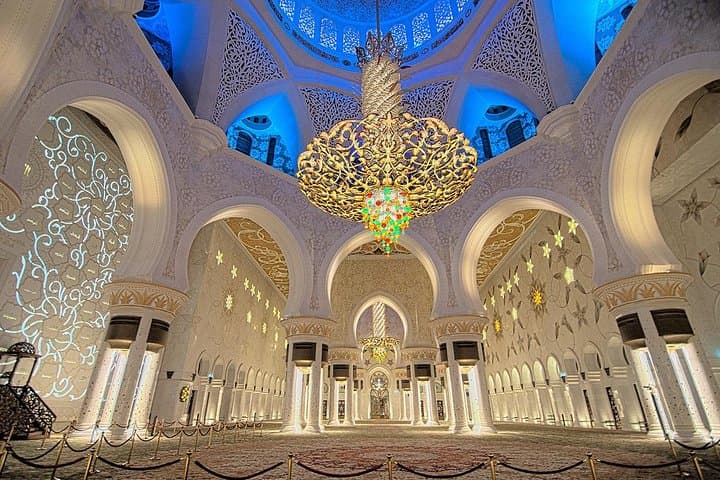
Built between 1996 and 2007 and named for Sheikh Zayed bin Sultan Al Nahyan, the complex accommodates up to 40,000 worshippers and stitches together global craftsmanship: Italian marble, Turkish stonework, gold leaf and semi-precious inlay. The main prayer hall houses the world’s largest hand-knotted carpet and immense Swarovski-adorned chandeliers, while the colonnades’ calligraphic details reward a slow walk.
Culturally, the mosque is both active sacred space and an intentional bridge to visitors of all backgrounds—guided entry windows, explanatory plaques and a visitors’ center keep context front and center. Geologically the site favours imported stone more than local bedrock; the visual drama comes from materials and proportion, not elevation or vistas.
Practical guidance: tours from Dubai run about five hours door-to-door with roughly two to four hours on-site; transfer is usually provided. Dress conservatively—knees and shoulders covered for everyone—or loaned abayas are often available. Aim for early morning or late afternoon to avoid heat and large mid-day crowds, carry water, and respect restricted areas and prayer times. Photography is allowed in public areas but follow signage and keep voices low; plan about 2–3 hours if you want a measured visit with time for the museum and reflective pools.
easy.
4–5 hours.
Light walking and standing; suitable for most fitness levels
No—general entry to the mosque is free; guided tours and transfers from Dubai may incur a separate charge.
Yes—the mosque welcomes visitors of all nationalities and religions, though respectful behavior and dress are required.
Many operators include round-trip transfer and a guide; this particular tour lists hotel pickup and drop-off in the inclusions.
Access may be restricted during major religious holidays or specific prayer times (notably Friday midday); check tour details and local calendars before booking.
Commissioned by Sheikh Zayed and completed in 2007, the mosque was conceived as a national place of worship and cultural meeting point showcasing international craftsmanship.
The site uses imported stone and intensive maintenance; visitors help preservation by following access rules, avoiding touching delicate surfaces and staying on designated paths.
24 7 Tours UAE operates guided outdoor trips and adventures with an emphasis on safety, stewardship, and memorable experiences.
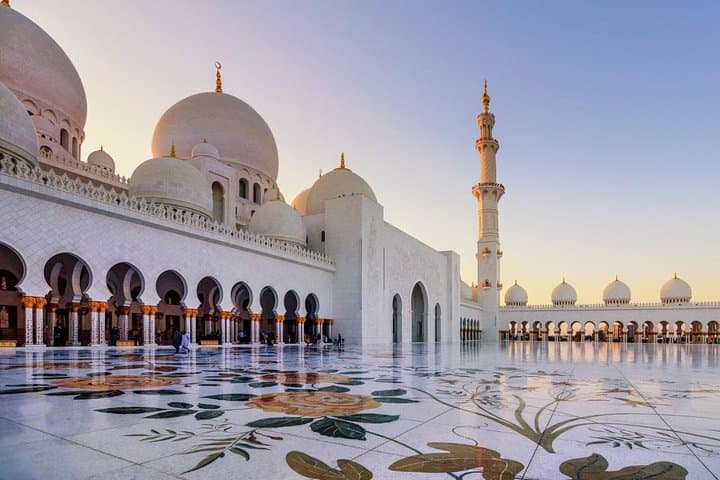
You step off the coach onto a vast, sunbrightness-white plaza; marble underfoot carries the heat, and long colonnades throw perfectly measured shadows that invite pause. The mosque’s domes rise like quiet crescents above reflective pools that double the building’s geometry, and the hush—broken only by the whisper of footsteps and the distant call to prayer—frames every view.
You step off the coach onto a vast, sunbrightness-white plaza; marble underfoot carries the heat, and long colonnades throw perfectly measured shadows that invite pause. The mosque’s domes rise like quiet crescents above reflective pools that double the building’s geometry, and the hush—broken only by the whisper of footsteps and the distant call to prayer—frames every view.
Built between 1996 and 2007 and named for Sheikh Zayed bin Sultan Al Nahyan, the complex accommodates up to 40,000 worshippers and stitches together global craftsmanship: Italian marble, Turkish stonework, gold leaf and semi-precious inlay. The main prayer hall houses the world’s largest hand-knotted carpet and immense Swarovski-adorned chandeliers, while the colonnades’ calligraphic details reward a slow walk.
Culturally, the mosque is both active sacred space and an intentional bridge to visitors of all backgrounds—guided entry windows, explanatory plaques and a visitors’ center keep context front and center. Geologically the site favours imported stone more than local bedrock; the visual drama comes from materials and proportion, not elevation or vistas.
Practical guidance: tours from Dubai run about five hours door-to-door with roughly two to four hours on-site; transfer is usually provided. Dress conservatively—knees and shoulders covered for everyone—or loaned abayas are often available. Aim for early morning or late afternoon to avoid heat and large mid-day crowds, carry water, and respect restricted areas and prayer times. Photography is allowed in public areas but follow signage and keep voices low; plan about 2–3 hours if you want a measured visit with time for the museum and reflective pools.