THE ADVENTURE COLLECTIVE® · Independent discovery and booking for outdoor travel

Watch expert Border Collies herd sheep beside the pounding Atlantic, then step into life across centuries at famine cottages and beehive huts. This 30-minute stop on Slea Head blends live farmcraft, coastal geology, and family-friendly animal encounters.
Watch expert Border Collies herd sheep beside the pounding Atlantic, then step into life across centuries at famine cottages and beehive huts. This 30-minute stop on Slea Head blends live farmcraft, coastal geology, and family-friendly animal encounters.
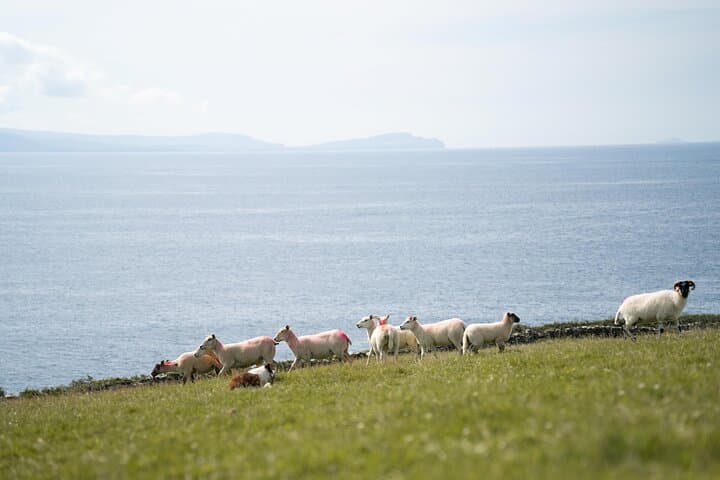
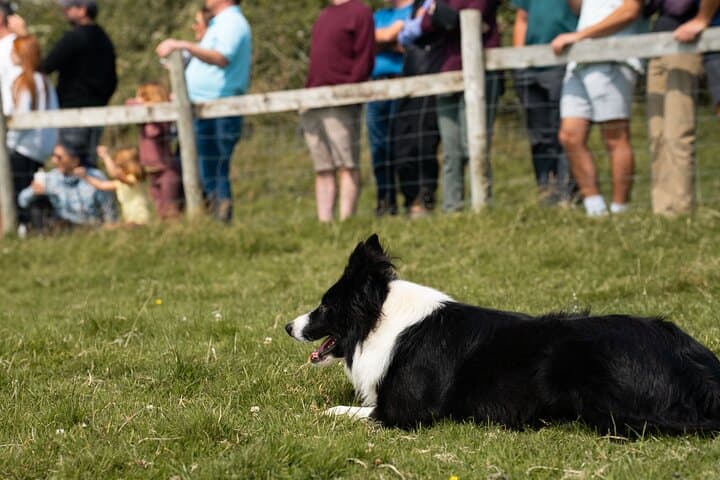
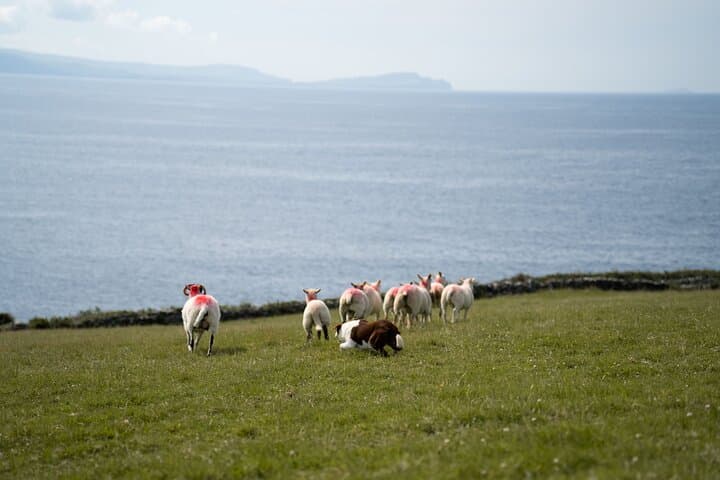
You arrive where the Atlantic dares you to look away: wind-swept grass, low stone walls, and a shepherd’s crisp commands cutting through the air. Border Collies weave like quick shadows, responding to single Gaelic words, separating the sheep with machine-like focus while the ocean hurls white caps beyond the headland.
Verified experiences and guided adventures in the surrounding area.
Operated by Dingle Sheepdogs Demonstrations & Trials · Dingle, County Kerry
You arrive where the Atlantic dares you to look away: wind-swept grass, low stone walls, and a shepherd’s crisp commands cutting through the air. Border Collies weave like quick shadows, responding to single Gaelic words, separating the sheep with machine-like focus while the ocean hurls white caps beyond the headland.
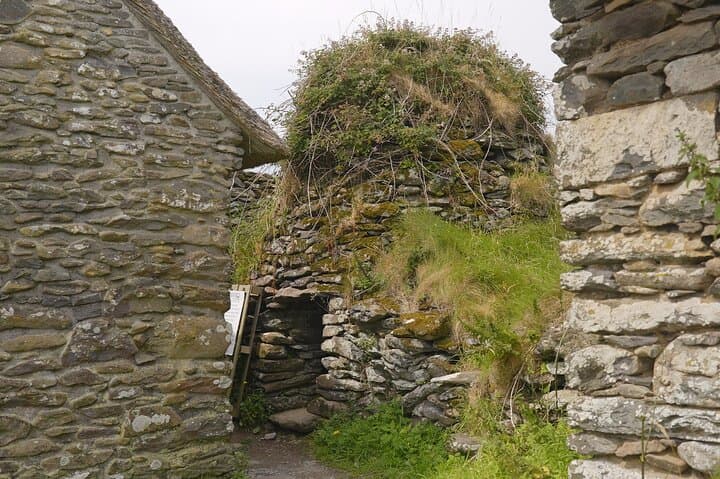
This short, hands-on stop on the Wild Atlantic Way pairs living rural craft with deep time. The Famine Cottages—stone cottages preserved from the 1800s—offer a sober window into agrarian hardship, while the beehive huts (c. 7th century) show early stone-built monastic life and the peninsula’s ancient human footprint. Geology is part of the show too: exposed bedrock, coastal benches and cliffs tell of glacial scraping and relentless Atlantic weather that shapes fields and fields of furrowed turf.
Culture here is practical—farm skills, Gaelic commands and community memory keep the place alive. The petting farm provides up-close animal moments (pet lambs in season), good for families and curious travelers.
Practical guidance: the full experience runs about 30 minutes; wear windproof layers and sturdy shoes for uneven pasture. Parking is free and the site is stroller-accessible; expect wind, quick showers and strong sun in spells. Plan for photography during the demo and allow time to explore the cottages and huts on foot. Bring cashless payment on your phone for any admissions or souvenirs and respect stock and signage—these are working fields.
This visit is short but rich: a compact daystop that combines living farming techniques, coastal geology and tangible Irish history into a memorable half hour on the Dingle Peninsula.
easy.
30 minutes.
Suitable for most fitness levels; short walking on uneven ground is required
The full stop is approximately 30 minutes, including the demo and time to see the nearby cottages and huts.
Yes—pet lambs are typically available in season (spring); staff will advise when young animals are present and supervise interactions.
The site notes stroller accessibility; however, some paths to ruins are uneven—ask staff for the easiest route and assistance if needed.
Free parking is provided; admission details are generally included with the visit but confirm locally or via the booking link before arrival.
The Famine Cottages date to the 1800s and illustrate rural life during the Great Famine; beehive huts are dry-stone structures associated with early monastic settlement (c. 7th century).
Stick to marked paths and keep dogs under control—grazing livestock and fragile archaeological features are vulnerable to trampling and erosion.
Dingle Sheepdogs Demonstrations & Trials operates guided outdoor trips and adventures with an emphasis on safety, stewardship, and memorable experiences.
You arrive where the Atlantic dares you to look away: wind-swept grass, low stone walls, and a shepherd’s crisp commands cutting through the air. Border Collies weave like quick shadows, responding to single Gaelic words, separating the sheep with machine-like focus while the ocean hurls white caps beyond the headland.
You arrive where the Atlantic dares you to look away: wind-swept grass, low stone walls, and a shepherd’s crisp commands cutting through the air. Border Collies weave like quick shadows, responding to single Gaelic words, separating the sheep with machine-like focus while the ocean hurls white caps beyond the headland.
This short, hands-on stop on the Wild Atlantic Way pairs living rural craft with deep time. The Famine Cottages—stone cottages preserved from the 1800s—offer a sober window into agrarian hardship, while the beehive huts (c. 7th century) show early stone-built monastic life and the peninsula’s ancient human footprint. Geology is part of the show too: exposed bedrock, coastal benches and cliffs tell of glacial scraping and relentless Atlantic weather that shapes fields and fields of furrowed turf.
Culture here is practical—farm skills, Gaelic commands and community memory keep the place alive. The petting farm provides up-close animal moments (pet lambs in season), good for families and curious travelers.
Practical guidance: the full experience runs about 30 minutes; wear windproof layers and sturdy shoes for uneven pasture. Parking is free and the site is stroller-accessible; expect wind, quick showers and strong sun in spells. Plan for photography during the demo and allow time to explore the cottages and huts on foot. Bring cashless payment on your phone for any admissions or souvenirs and respect stock and signage—these are working fields.
This visit is short but rich: a compact daystop that combines living farming techniques, coastal geology and tangible Irish history into a memorable half hour on the Dingle Peninsula.