THE ADVENTURE COLLECTIVE® · Independent discovery and booking for outdoor travel

From Sharm El Sheikh to the Giza Plateau and the Grand Egyptian Museum: a single-day, full‑immersion into pharaonic Egypt. Expect long road travel, iconic monuments, and concentrated museum displays—best for travelers prepared for a very full day.
From Sharm El Sheikh to the Giza Plateau and the Grand Egyptian Museum: a single-day, full‑immersion into pharaonic Egypt. Expect long road travel, iconic monuments, and concentrated museum displays—best for travelers prepared for a very full day.
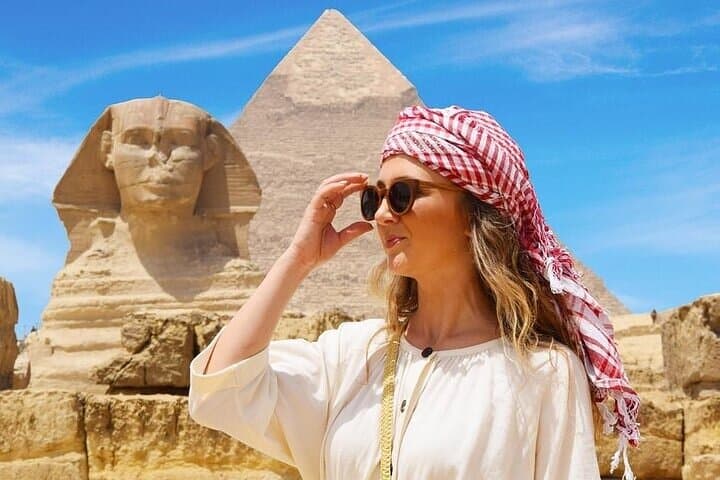
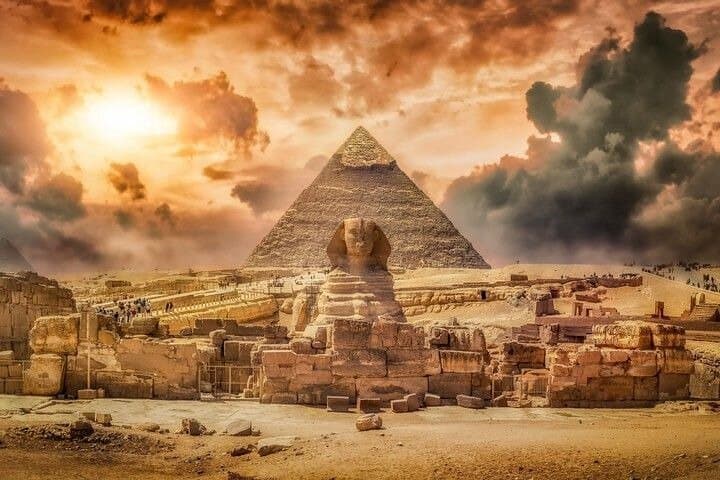
You step off the early coach into a low, dry wind that seems to push the desert forward toward the horizon. The Giza Plateau looms like an architectural horizon line: the three great pyramids rise in stepped geometry, and the Sphinx stares across millennia with an immovable patience.
Verified experiences and guided adventures in the surrounding area.
Operated by Get Your Trip · Cairo, Cairo Governorate
You step off the early coach into a low, dry wind that seems to push the desert forward toward the horizon. The Giza Plateau looms like an architectural horizon line: the three great pyramids rise in stepped geometry, and the Sphinx stares across millennia with an immovable patience.
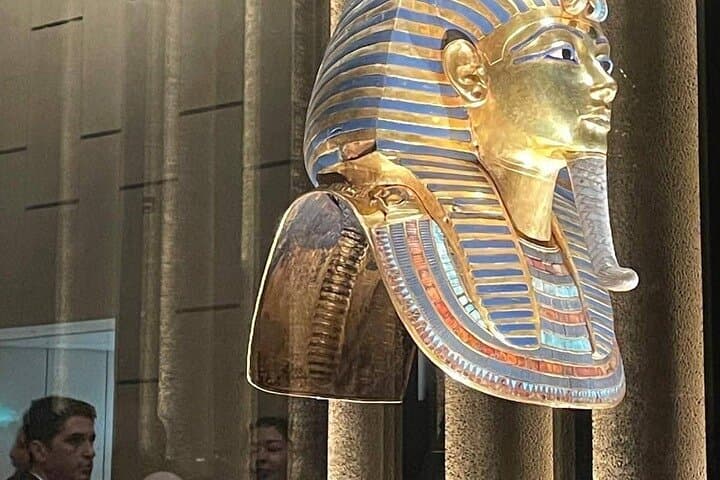
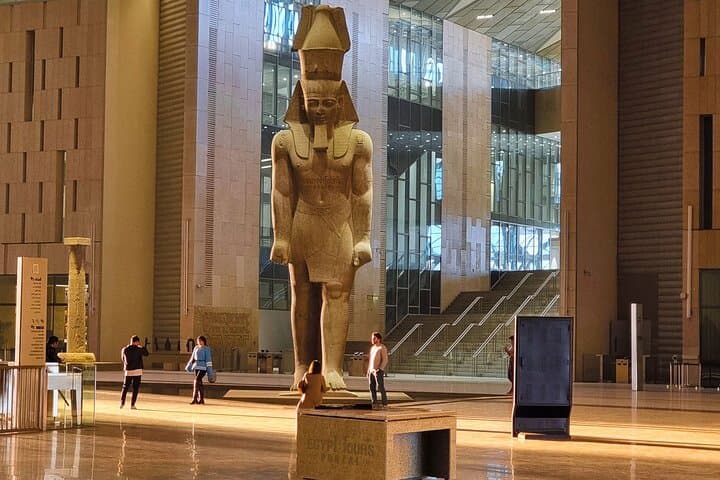
This excursion pairs two complementary encounters with Egypt’s past: the newly arranged galleries of the Grand Egyptian Museum, where Tutankhamun’s funerary trove and colossal statuary are displayed with conservation-grade care, and the Giza Plateau itself, a landscape of limestone blocks, quarry scars, and engineered ambition dating to the Old Kingdom (c. 2600–2500 BCE). Geologically, the plateau is Eocene limestone—soft where the Sphinx has weathered, harder where pyramids retain their core stones. Culturally, the sites remain active places of ceremony, commerce, and daily life for Cairo’s residents.
Practicalities: expect a very long day—transit from Sharm El Sheikh is roughly 500–550 km and can take 6–8 hours each way by road, so the tour runs into late evening. Wear sturdy walking shoes for uneven stone and sand, sun protection for exposed plateau sections, and modest clothing out of respect for local customs. Bring water, a charged phone, and copies of travel documents; mobile reception varies. The GEM offers modern facilities and sheltered galleries for rest between outdoor visits. Plan for taxi or private transfer options on return if you prefer to split the journey—this trip is rewarding but demands endurance and planning.
easy.
20–22 hours.
Suitable for anyone comfortable with long bus travel and several hours of walking on uneven ground; not strenuous but tiring.
Driving distance is roughly 500–550 km and typically takes about 6–8 hours one way depending on route and traffic—expect a very long day.
This tour includes admission to the Grand Egyptian Museum and the Giza Plateau sites as listed, plus lunch and transportation in an air‑conditioned vehicle.
The GEM and Giza tourist areas have restroom facilities and nearby cafés or vendor stalls; bring cash for small purchases.
The visit involves walking on uneven ground; the museum is accessible, but the plateau has limited accessibility—check with the operator about mobility assistance and child seating policies.
The pyramids and Sphinx date to Egypt’s Old Kingdom (c. 2600–2500 BCE). The Grand Egyptian Museum consolidates centuries of artifacts—most famously Tutankhamun’s burial goods—for public conservation and study.
The GEM emphasizes conservation-grade display and controlled environments to slow deterioration; visitors should avoid touching ancient stone and adhere to site rules to limit wear and erosion.
Get Your Trip operates guided outdoor trips and adventures with an emphasis on safety, stewardship, and memorable experiences.
You step off the early coach into a low, dry wind that seems to push the desert forward toward the horizon. The Giza Plateau looms like an architectural horizon line: the three great pyramids rise in stepped geometry, and the Sphinx stares across millennia with an immovable patience.
You step off the early coach into a low, dry wind that seems to push the desert forward toward the horizon. The Giza Plateau looms like an architectural horizon line: the three great pyramids rise in stepped geometry, and the Sphinx stares across millennia with an immovable patience.
This excursion pairs two complementary encounters with Egypt’s past: the newly arranged galleries of the Grand Egyptian Museum, where Tutankhamun’s funerary trove and colossal statuary are displayed with conservation-grade care, and the Giza Plateau itself, a landscape of limestone blocks, quarry scars, and engineered ambition dating to the Old Kingdom (c. 2600–2500 BCE). Geologically, the plateau is Eocene limestone—soft where the Sphinx has weathered, harder where pyramids retain their core stones. Culturally, the sites remain active places of ceremony, commerce, and daily life for Cairo’s residents.
Practicalities: expect a very long day—transit from Sharm El Sheikh is roughly 500–550 km and can take 6–8 hours each way by road, so the tour runs into late evening. Wear sturdy walking shoes for uneven stone and sand, sun protection for exposed plateau sections, and modest clothing out of respect for local customs. Bring water, a charged phone, and copies of travel documents; mobile reception varies. The GEM offers modern facilities and sheltered galleries for rest between outdoor visits. Plan for taxi or private transfer options on return if you prefer to split the journey—this trip is rewarding but demands endurance and planning.