THE ADVENTURE COLLECTIVE® · Independent discovery and booking for outdoor travel

A long, immersive day from Sharm El Sheikh that pairs the new Grand Egyptian Museum with the timeless drama of the Giza Pyramids and Sphinx. Expect guided galleries, hands-on papyrus demonstrations, and a long coach ride each way—bring sunscreen, water and patience.
A long, immersive day from Sharm El Sheikh that pairs the new Grand Egyptian Museum with the timeless drama of the Giza Pyramids and Sphinx. Expect guided galleries, hands-on papyrus demonstrations, and a long coach ride each way—bring sunscreen, water and patience.
Before sunrise the minibus eases out of Sharm El Sheikh and the desert opens like a page you can’t put down. Hours of highway flatten the landscape, but the approach to Giza changes the mood: limestone rises, heat shimmers, and the silhouette of the pyramids appears on the horizon, patient and enormous.
Verified experiences and guided adventures in the surrounding area.
Operated by Al Rose Travel · Cairo, Cairo Governorate
Before sunrise the minibus eases out of Sharm El Sheikh and the desert opens like a page you can’t put down. Hours of highway flatten the landscape, but the approach to Giza changes the mood: limestone rises, heat shimmers, and the silhouette of the pyramids appears on the horizon, patient and enormous.
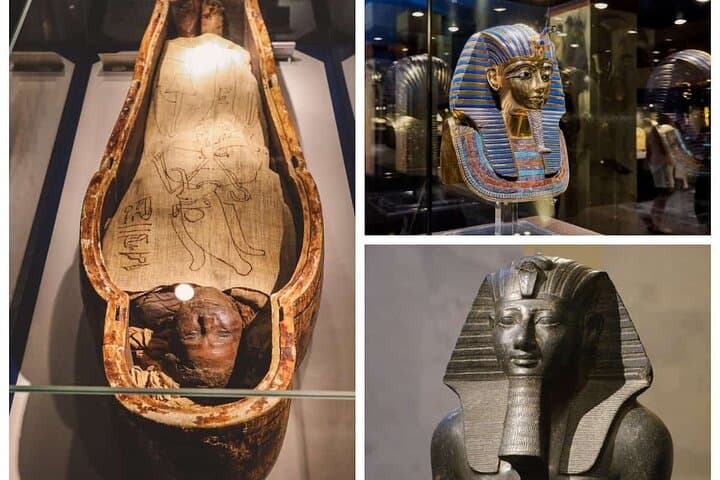
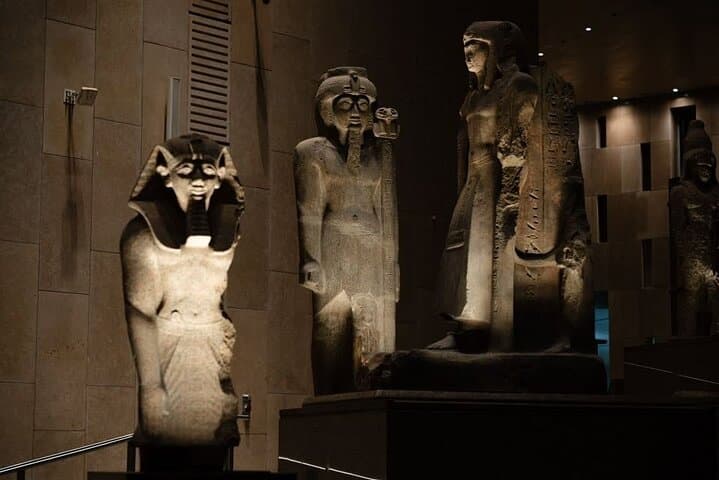
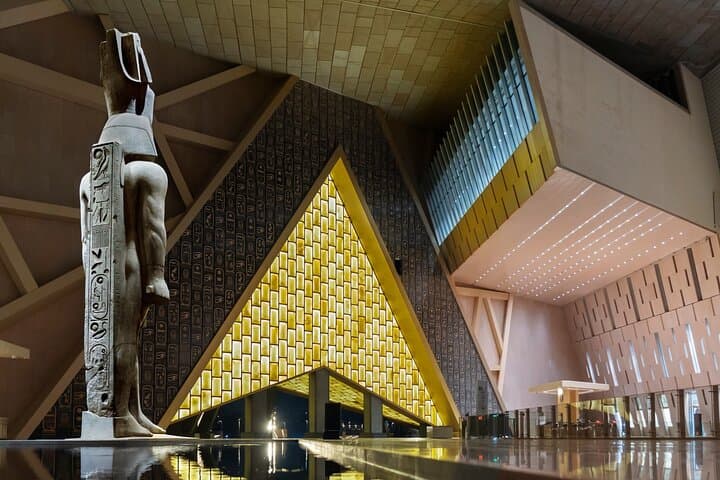
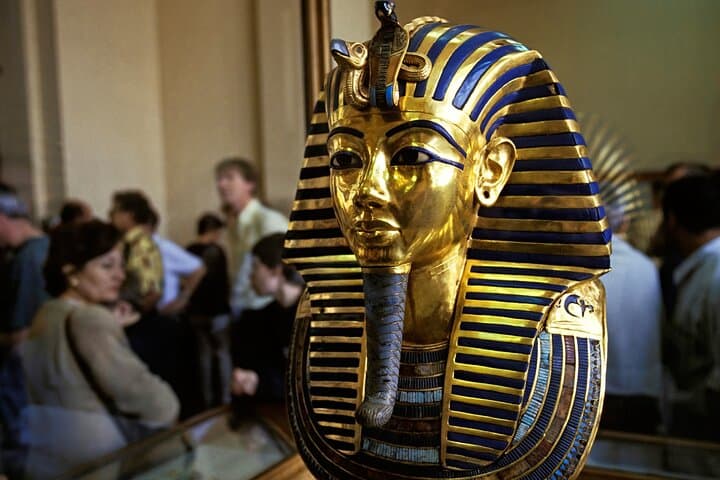
The Grand Egyptian Museum is a modern, climate-controlled vault for artifacts that span millennia—statues, funerary masks and the new displays from Tutankhamun’s tomb—arranged to tell the arc of Nile civilization. The Giza Plateau sits on a Pliocene limestone shelf; those same stone beds form the Sphinx, carved and weathered by millennia of wind and sand. Nearby, artisans still make papyrus by hand, continuing techniques tied to ancient river economies.
Expect a full, long day: guided galleries, a panoramic view of the three pyramids, close-up time at the Sphinx, then a workshop visit and lunch with a view of the city. Practicalities are plain: the route is mostly coach travel, so stamina matters more than technical skill. Sunscreen and a hat are non-negotiable; water and snacks beat fatigue on the return road. Bring a lightweight daypack, comfortable walking shoes and small bills for tips and purchases at the papyrus shop.
Timing is everything—start early, pace museum time, and reserve camera battery for the late-afternoon light on the stones. The trip is equal parts archaeology and travel logistics: prepare for long stretches between stops, and you’ll come away with a sharper sense of Egypt’s scale and history.
easy.
20–22 hours.
Suitable for most fitness levels but requires endurance for a very long travel day and standing at sites.
Yes—pick-up and drop-off by air-conditioned minibus are included; expect roughly 7 hours each way with short rest stops.
Admission to the Grand Egyptian Museum and the Giza Plateau sites is included as listed, but specialty areas may have separate fees.
A local restaurant lunch is included; dietary requests should be noted when booking.
Yes—carry your passport and a photocopy for identification and entry; keep the original secure while touring.
The Giza Pyramids date to the Fourth Dynasty (c. 2600–2500 BCE) and the Grand Egyptian Museum consolidates artifacts long scattered across Cairo and Luxor into a single modern display.
The Grand Egyptian Museum uses climate control and conservation labs to stabilize fragile artifacts; visitors are asked to stay on marked paths and avoid touching ancient surfaces to limit wear.
Al Rose Travel operates guided outdoor trips and adventures with an emphasis on safety, stewardship, and memorable experiences.
Before sunrise the minibus eases out of Sharm El Sheikh and the desert opens like a page you can’t put down. Hours of highway flatten the landscape, but the approach to Giza changes the mood: limestone rises, heat shimmers, and the silhouette of the pyramids appears on the horizon, patient and enormous.
Before sunrise the minibus eases out of Sharm El Sheikh and the desert opens like a page you can’t put down. Hours of highway flatten the landscape, but the approach to Giza changes the mood: limestone rises, heat shimmers, and the silhouette of the pyramids appears on the horizon, patient and enormous.
The Grand Egyptian Museum is a modern, climate-controlled vault for artifacts that span millennia—statues, funerary masks and the new displays from Tutankhamun’s tomb—arranged to tell the arc of Nile civilization. The Giza Plateau sits on a Pliocene limestone shelf; those same stone beds form the Sphinx, carved and weathered by millennia of wind and sand. Nearby, artisans still make papyrus by hand, continuing techniques tied to ancient river economies.
Expect a full, long day: guided galleries, a panoramic view of the three pyramids, close-up time at the Sphinx, then a workshop visit and lunch with a view of the city. Practicalities are plain: the route is mostly coach travel, so stamina matters more than technical skill. Sunscreen and a hat are non-negotiable; water and snacks beat fatigue on the return road. Bring a lightweight daypack, comfortable walking shoes and small bills for tips and purchases at the papyrus shop.
Timing is everything—start early, pace museum time, and reserve camera battery for the late-afternoon light on the stones. The trip is equal parts archaeology and travel logistics: prepare for long stretches between stops, and you’ll come away with a sharper sense of Egypt’s scale and history.