THE ADVENTURE COLLECTIVE® · Independent discovery and booking for outdoor travel

Hunt fossil shark teeth and unique shells on Manasota Key with an expert guide. This 90-minute eco-tour blends hands-on beachcombing with local geology and conservation lessons—ideal for families comfortable in shallow water.
Hunt fossil shark teeth and unique shells on Manasota Key with an expert guide. This 90-minute eco-tour blends hands-on beachcombing with local geology and conservation lessons—ideal for families comfortable in shallow water.
Morning light breaks over Manasota Key and the surf pushes small treasures toward your feet: fragments of bone-black sharks' teeth, curved gastropods, and a scatter of glass smoothed to a soft glow. On this 90-minute guided eco-tour you’ll move along the low-tide wrack line, sifting sand with a floating screen while guides point out indicators of fossil-rich pockets and explain the currents that deliver ancient remains ashore.
Verified experiences and guided adventures in the surrounding area.
Operated by Sharkier.com · Manasota Key, Florida
Morning light breaks over Manasota Key and the surf pushes small treasures toward your feet: fragments of bone-black sharks' teeth, curved gastropods, and a scatter of glass smoothed to a soft glow. On this 90-minute guided eco-tour you’ll move along the low-tide wrack line, sifting sand with a floating screen while guides point out indicators of fossil-rich pockets and explain the currents that deliver ancient remains ashore.
The west Florida coastline sits on Pleistocene and Miocene marine deposits — layers of fossil-bearing shell beds uplifted and reworked by tides and storms. Indigenous peoples and later coastal settlers used these shores for food and tools; today, local guides combine that cultural context with practical beachcraft so families learn both how to find and how to steward what they find.
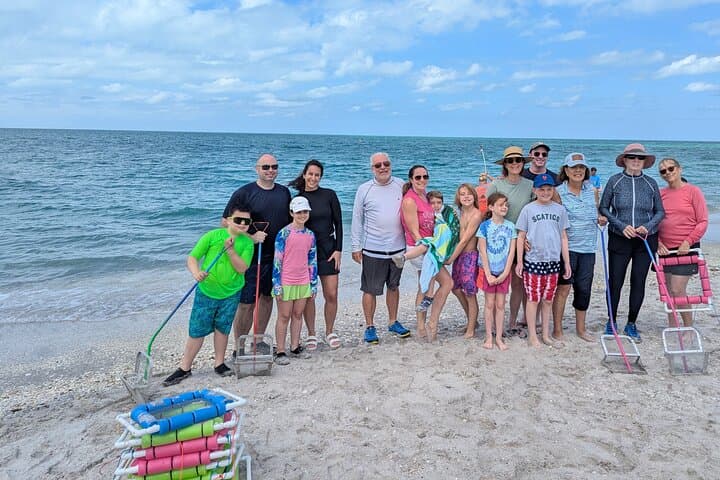
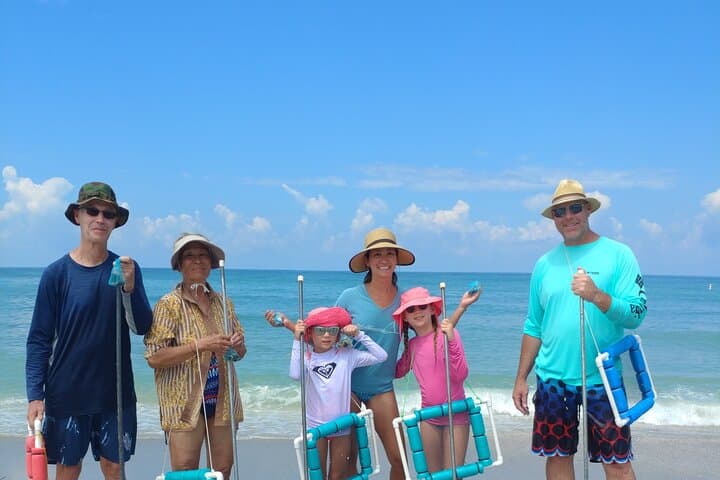
Expect low, sandy walking and shallow wading; the sea is the lab and the beach the classroom. Guides supply sand rakes, floating sifters, and chairs; light snorkeling is an option when water clarity allows. Wildlife punctuates the hunt — shorebirds dart, and dolphins sometimes thread the horizon, pushing anglers’ attention to the moving line between sea and sand.
Practical pointers: go at low tide, wear water shoes and reef-safe sunscreen, and bring a small bucket for finds. If you’re traveling with kids, set expectations about conservation — not every shell should come home. The tour is family-friendly but requires basic swim competency. By the end you’ll understand why this stretch of coast reliably yields teeth and shells — and how to collect responsibly so tomorrow’s hunters enjoy the same rewards.
moderate.
1.5 hours (90 minutes).
Moderate fitness—short sandy walks, occasional shallow wading; participants should be comfortable in coastal conditions.
Yes—participants should have basic swimming ability; most activity occurs in shallow water but guides may ask some wading and occasional floatation use.
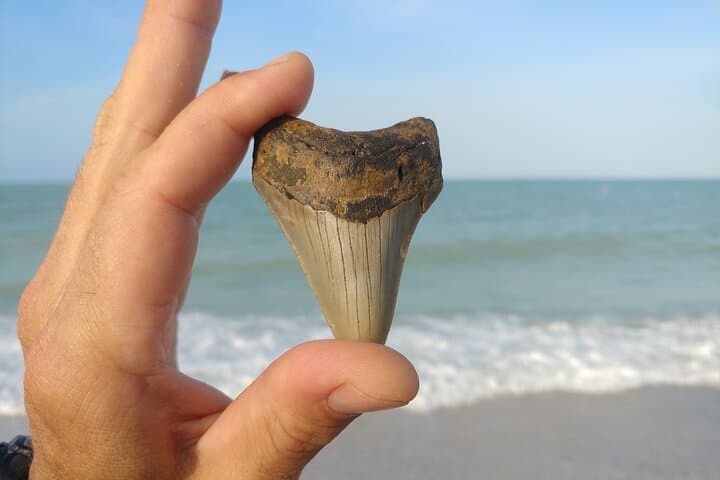
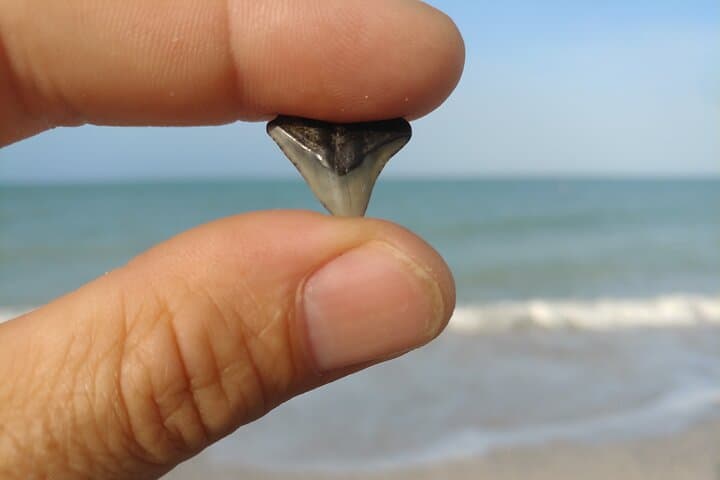
Common finds include fossilized shark teeth (black or brown), various gastropods, bivalve fragments and occasionally small pieces of worn sea glass.
Yes—this is family-friendly, but guardians should ensure kids can handle sandy walking, shallow water, and follow conservation guidance.
Guides supply a sand-sifting rake, floating sifter, and a chair; participants can rent or bring snorkel gear if desired.
The shoreline is carved from Pleistocene and older marine deposits; shifting tides and storms expose fossil-rich layers that date back millions of years.
Collect selectively and avoid live or rare shells; stay on hard-packed sand where possible to protect dune vegetation and seagrass beds.
Sharkier.com operates guided outdoor trips and adventures with an emphasis on safety, stewardship, and memorable experiences.
Morning light breaks over Manasota Key and the surf pushes small treasures toward your feet: fragments of bone-black sharks' teeth, curved gastropods, and a scatter of glass smoothed to a soft glow. On this 90-minute guided eco-tour you’ll move along the low-tide wrack line, sifting sand with a floating screen while guides point out indicators of fossil-rich pockets and explain the currents that deliver ancient remains ashore.
Morning light breaks over Manasota Key and the surf pushes small treasures toward your feet: fragments of bone-black sharks' teeth, curved gastropods, and a scatter of glass smoothed to a soft glow. On this 90-minute guided eco-tour you’ll move along the low-tide wrack line, sifting sand with a floating screen while guides point out indicators of fossil-rich pockets and explain the currents that deliver ancient remains ashore.
The west Florida coastline sits on Pleistocene and Miocene marine deposits — layers of fossil-bearing shell beds uplifted and reworked by tides and storms. Indigenous peoples and later coastal settlers used these shores for food and tools; today, local guides combine that cultural context with practical beachcraft so families learn both how to find and how to steward what they find.
Expect low, sandy walking and shallow wading; the sea is the lab and the beach the classroom. Guides supply sand rakes, floating sifters, and chairs; light snorkeling is an option when water clarity allows. Wildlife punctuates the hunt — shorebirds dart, and dolphins sometimes thread the horizon, pushing anglers’ attention to the moving line between sea and sand.
Practical pointers: go at low tide, wear water shoes and reef-safe sunscreen, and bring a small bucket for finds. If you’re traveling with kids, set expectations about conservation — not every shell should come home. The tour is family-friendly but requires basic swim competency. By the end you’ll understand why this stretch of coast reliably yields teeth and shells — and how to collect responsibly so tomorrow’s hunters enjoy the same rewards.