THE ADVENTURE COLLECTIVE® · Independent discovery and booking for outdoor travel

Board at Shem Creek and spend 4.5 hours combing a Charleston dredge island for shark teeth, fossils, and coastal treasures. Ideal after outgoing tide, this family-friendly drop-off pairs a short boat ride with low-impact beachcombing.
Board at Shem Creek and spend 4.5 hours combing a Charleston dredge island for shark teeth, fossils, and coastal treasures. Ideal after outgoing tide, this family-friendly drop-off pairs a short boat ride with low-impact beachcombing.
The Avalon tritoon eases away from Shem Creek, salt air pressing cool against your face as marsh grass recedes and the harbor opens. Within 15–20 minutes the captain calls out the drop — a low, crescent dredge island scored by waves and strewn with bone-white fragments. You step ashore and the island grabs your attention: shells clack underfoot, currents reveal dark enamel flakes, and the shoreline seems to offer a slow, patient reveal of the past.
Verified experiences and guided adventures in the surrounding area.
Operated by Jim Kotwica · Folly Beach, South Carolina
The Avalon tritoon eases away from Shem Creek, salt air pressing cool against your face as marsh grass recedes and the harbor opens. Within 15–20 minutes the captain calls out the drop — a low, crescent dredge island scored by waves and strewn with bone-white fragments. You step ashore and the island grabs your attention: shells clack underfoot, currents reveal dark enamel flakes, and the shoreline seems to offer a slow, patient reveal of the past.
This stretch of Charleston Harbor sits on Pleistocene and Holocene sands where storms and dredging expose fossil-rich layers. Fishermen and beachcombers have long scavenged these sands; local culture treats a good find like a small, shared victory. The islands themselves are transient — built and reshaped by currents, dredge placement, and tides — so each visit offers slightly different ground.
Expect low dunes, sand flats, occasional wrack lines, and concentrated pockets of shark teeth after outgoing tides. The best window is just after the tide runs out, when the sea has pulled back and left heavier fossils behind. Wildlife is active: gulls and ghost crabs dart, and dolphins sometimes pace the drop-off boats.
Plan practicals: bring sturdy water shoes, sun protection, and a small bucket. Mobility is easy but watch shifting sand and tidal return times; the captain times pickups with tides and currents. Treat the islands with care — they’re fragile, evolving habitats — and pack out all trash. For families, the trip is an accessible mix of low-effort exploration and a hands-on lesson in coastal geology.
easy.
4–5 hours.
Suitable for most fitness levels; involves short walks on uneven sand and low-impact beachcombing
No — finds depend on tide, recent storms, and where dredge sand has settled; trips scheduled after outgoing tides offer the best chance.
Yes — the operator lists it as suitable for all fitness levels, but children should be supervised around water and shell-strewn areas.
Pick-up is at the Shem Creek boardwalk in Mount Pleasant; the captain will announce the exact boarding point when you reserve.
Trips can be canceled for bad weather or insufficient travelers; the operator typically requires 24-hour notice for full refunds.
The Charleston Harbor shoreline preserves Pleistocene deposits and a long history of maritime commerce; local collectors have searched these sands for generations.
These dredge islands are temporary but sensitive; visitors should avoid disturbing vegetation, remove trash, and follow captain guidance to minimize impact.
Jim Kotwica operates guided outdoor trips and adventures with an emphasis on safety, stewardship, and memorable experiences.
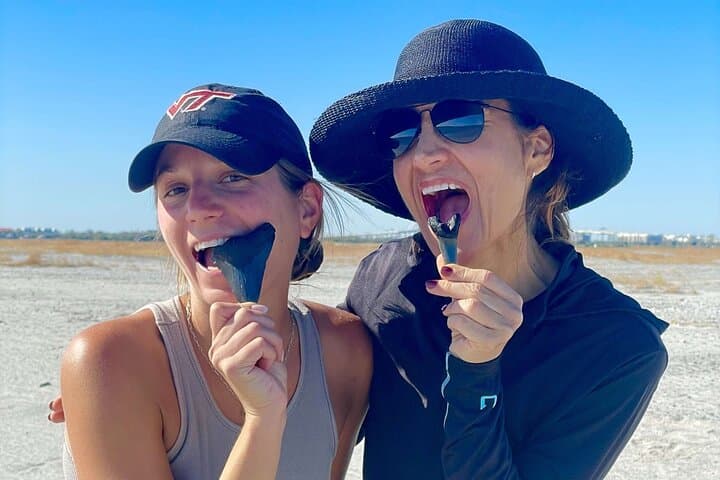
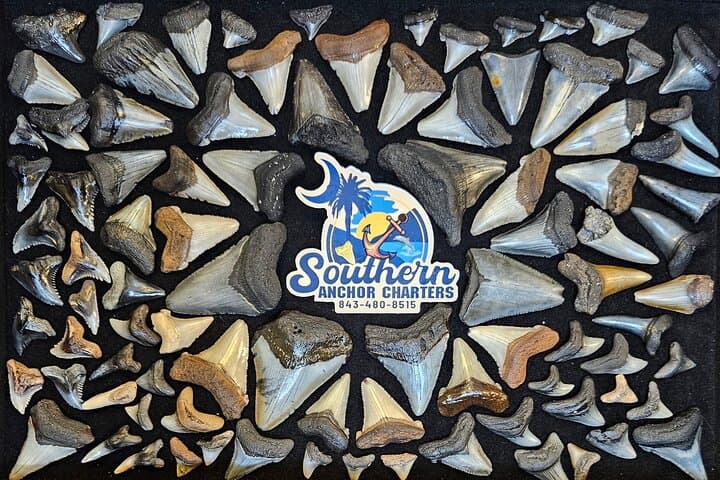
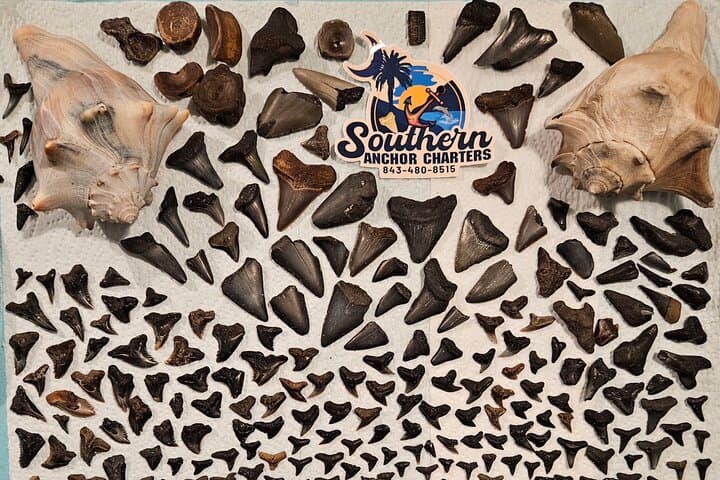
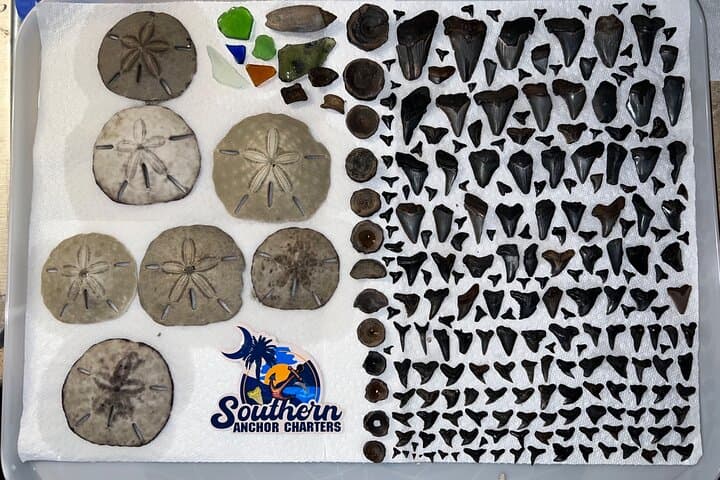
The Avalon tritoon eases away from Shem Creek, salt air pressing cool against your face as marsh grass recedes and the harbor opens. Within 15–20 minutes the captain calls out the drop — a low, crescent dredge island scored by waves and strewn with bone-white fragments. You step ashore and the island grabs your attention: shells clack underfoot, currents reveal dark enamel flakes, and the shoreline seems to offer a slow, patient reveal of the past.
The Avalon tritoon eases away from Shem Creek, salt air pressing cool against your face as marsh grass recedes and the harbor opens. Within 15–20 minutes the captain calls out the drop — a low, crescent dredge island scored by waves and strewn with bone-white fragments. You step ashore and the island grabs your attention: shells clack underfoot, currents reveal dark enamel flakes, and the shoreline seems to offer a slow, patient reveal of the past.
This stretch of Charleston Harbor sits on Pleistocene and Holocene sands where storms and dredging expose fossil-rich layers. Fishermen and beachcombers have long scavenged these sands; local culture treats a good find like a small, shared victory. The islands themselves are transient — built and reshaped by currents, dredge placement, and tides — so each visit offers slightly different ground.
Expect low dunes, sand flats, occasional wrack lines, and concentrated pockets of shark teeth after outgoing tides. The best window is just after the tide runs out, when the sea has pulled back and left heavier fossils behind. Wildlife is active: gulls and ghost crabs dart, and dolphins sometimes pace the drop-off boats.
Plan practicals: bring sturdy water shoes, sun protection, and a small bucket. Mobility is easy but watch shifting sand and tidal return times; the captain times pickups with tides and currents. Treat the islands with care — they’re fragile, evolving habitats — and pack out all trash. For families, the trip is an accessible mix of low-effort exploration and a hands-on lesson in coastal geology.