THE ADVENTURE COLLECTIVE® · Independent discovery and booking for outdoor travel

Short, family-friendly boat trip from Shem Creek to Crab Bank Seabird Sanctuary. Scan for dolphins and pelicans, learn about coastal restoration, and hunt fossilized shark teeth during the October–March season.
Short, family-friendly boat trip from Shem Creek to Crab Bank Seabird Sanctuary. Scan for dolphins and pelicans, learn about coastal restoration, and hunt fossilized shark teeth during the October–March season.
You push off from the back dock at Red’s Ice House on Shem Creek and the city melts behind you: the Ravenel Bridge towers to starboard, Fort Sumter’s outline sits low on the horizon, and the salt air pushes the boat forward. In under ten minutes the noise of Coleman Boulevard is gone; only the cry of pelicans and the slap of wake remain.
Verified experiences and guided adventures in the surrounding area.
Operated by LowCountry Coastal Excursions · Mount Pleasant, South Carolina
You push off from the back dock at Red’s Ice House on Shem Creek and the city melts behind you: the Ravenel Bridge towers to starboard, Fort Sumter’s outline sits low on the horizon, and the salt air pushes the boat forward. In under ten minutes the noise of Coleman Boulevard is gone; only the cry of pelicans and the slap of wake remain.
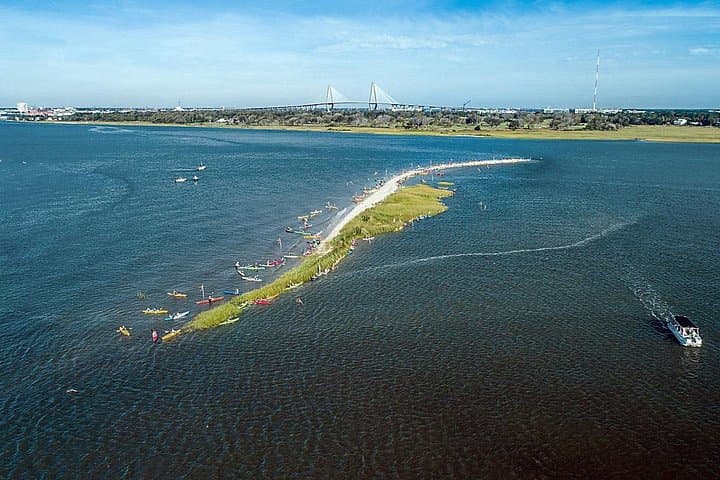
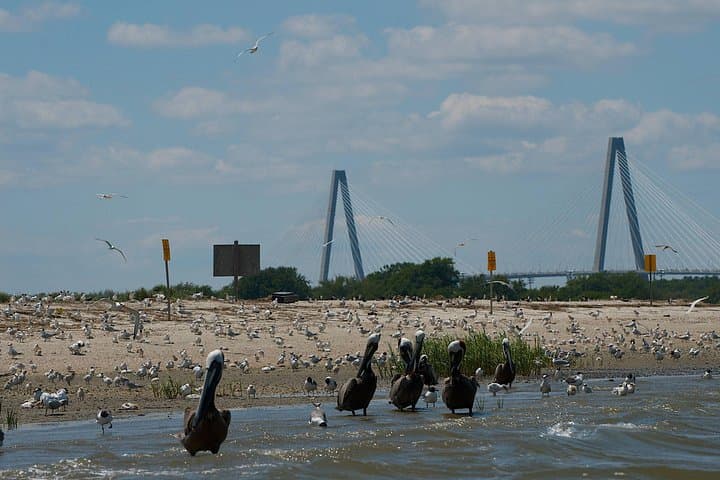
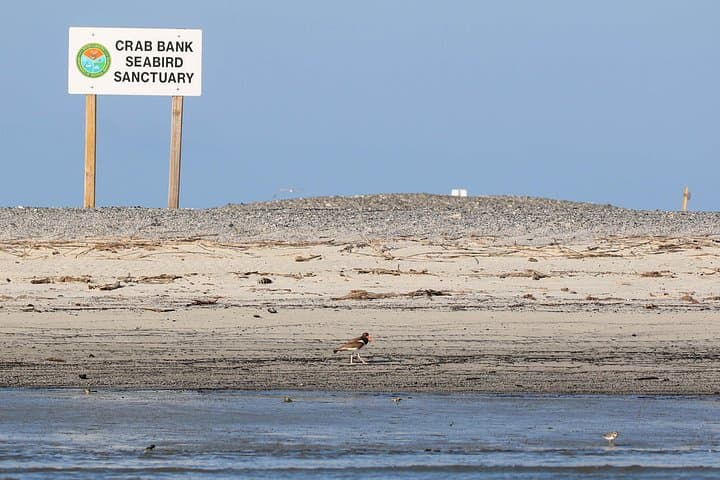
Crab Bank is a living sandbar—part seabird sanctuary, part coastal restoration project—important to pelicans, terns, and shorebirds. The island’s recent restoration work has rebuilt nesting habitat and slowed erosion, creating the conditions that concentrate fossilized shark teeth along its intertidal edges. Guides combine natural history with practical fossil-hunting tips while you scan for dolphins and sifting through sand with provided tools.
The tour runs in the cooler months (mid-October through mid-March) when low tides and winter storms expose more fossils and seabirds are easier to observe. Expect a two-hour, small-group outing (typically up to six guests) with about 90 minutes of onshore time; terrain is sandy, often muddy at the waterline, with sun exposure and wind.
Practical advice: check tide charts before you go, wear shore-ready footwear and sun protection, and carry water. Respect the sanctuary—stay on permitted areas and follow your guide to avoid disturbing nesting birds. This trip is family-friendly and accessible, offering a compact, educational slice of Charleston’s maritime ecology and the odd prehistoric tooth to take home.
easy.
2 hours.
Suitable for most fitness levels; involves short walks on sand and steady balance on a small boat.
No—this is a guided, entry-level boat trip suitable for families and first-time fossil hunters.
No—finding teeth depends on tides, recent storms, and luck, but guides provide tools and tips to improve your chances.
Guides land in permitted areas only; visitors must follow instructions to avoid disturbing nesting or restoration zones.
Yes—many families join, but supervise children near water and on uneven shorelines; life jackets are provided on the boat.
Crab Bank has been the focus of erosion control and habitat restoration efforts aimed at preserving important seabird nesting grounds in Charleston Harbor.
Tours operate with sensitivity to nesting seasons and restoration work—visitors are asked to stay in designated areas and avoid littering to protect fragile coastal habitats.
LowCountry Coastal Excursions operates guided outdoor trips and adventures with an emphasis on safety, stewardship, and memorable experiences.
You push off from the back dock at Red’s Ice House on Shem Creek and the city melts behind you: the Ravenel Bridge towers to starboard, Fort Sumter’s outline sits low on the horizon, and the salt air pushes the boat forward. In under ten minutes the noise of Coleman Boulevard is gone; only the cry of pelicans and the slap of wake remain.
You push off from the back dock at Red’s Ice House on Shem Creek and the city melts behind you: the Ravenel Bridge towers to starboard, Fort Sumter’s outline sits low on the horizon, and the salt air pushes the boat forward. In under ten minutes the noise of Coleman Boulevard is gone; only the cry of pelicans and the slap of wake remain.
Crab Bank is a living sandbar—part seabird sanctuary, part coastal restoration project—important to pelicans, terns, and shorebirds. The island’s recent restoration work has rebuilt nesting habitat and slowed erosion, creating the conditions that concentrate fossilized shark teeth along its intertidal edges. Guides combine natural history with practical fossil-hunting tips while you scan for dolphins and sifting through sand with provided tools.
The tour runs in the cooler months (mid-October through mid-March) when low tides and winter storms expose more fossils and seabirds are easier to observe. Expect a two-hour, small-group outing (typically up to six guests) with about 90 minutes of onshore time; terrain is sandy, often muddy at the waterline, with sun exposure and wind.
Practical advice: check tide charts before you go, wear shore-ready footwear and sun protection, and carry water. Respect the sanctuary—stay on permitted areas and follow your guide to avoid disturbing nesting birds. This trip is family-friendly and accessible, offering a compact, educational slice of Charleston’s maritime ecology and the odd prehistoric tooth to take home.