THE ADVENTURE COLLECTIVE® · Independent discovery and booking for outdoor travel

Board a morning boat from Kleinbaai and descend into a steel cage as great white sharks patrol the cold currents around Dyer Island. This full-day excursion mixes a short, intense sea encounter with local marine history and practical safety briefings.
Board a morning boat from Kleinbaai and descend into a steel cage as great white sharks patrol the cold currents around Dyer Island. This full-day excursion mixes a short, intense sea encounter with local marine history and practical safety briefings.
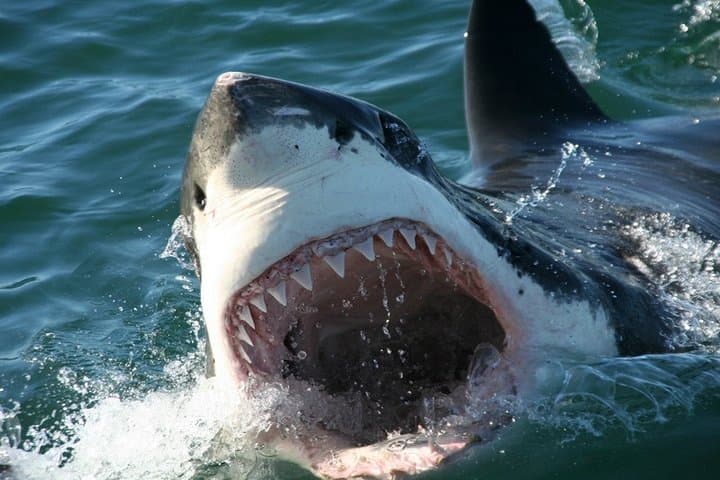
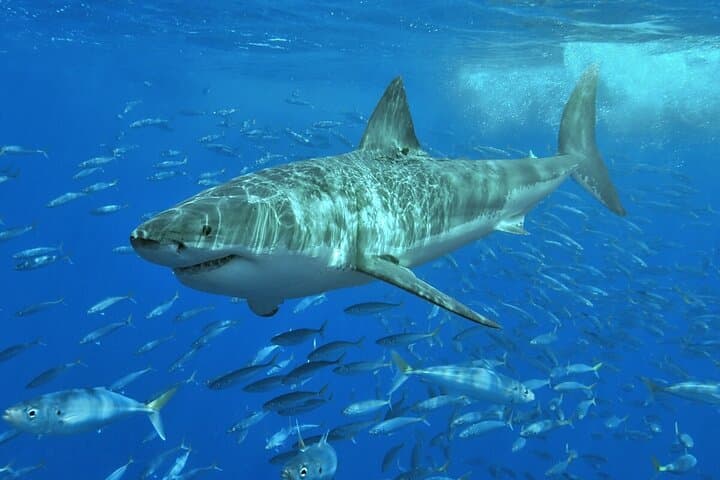
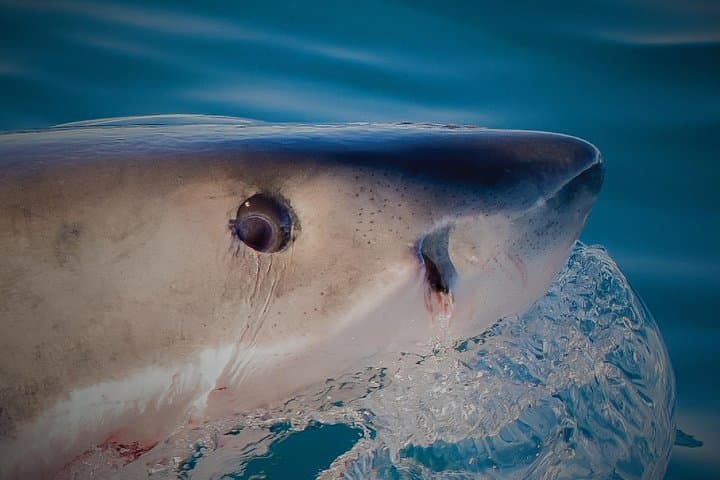
The boat slips away from Kleinbaai harbour before dawn, salt-spray stinging your face while the coastline shrinks into a jagged silhouette. Offshore, Dyer Island and the narrow channel known as Shark Alley set the stage: cold, nutrient-rich currents lure bands of Cape fur seals, and where seals go, great whites follow. From the deck you feel the sea’s weight and the sudden electricity when a dorsal fin breaches — the ocean daring you to look closer.
Verified experiences and guided adventures in the surrounding area.
Operated by ILIOS Travel · Gansbaai, Western Cape
The boat slips away from Kleinbaai harbour before dawn, salt-spray stinging your face while the coastline shrinks into a jagged silhouette. Offshore, Dyer Island and the narrow channel known as Shark Alley set the stage: cold, nutrient-rich currents lure bands of Cape fur seals, and where seals go, great whites follow. From the deck you feel the sea’s weight and the sudden electricity when a dorsal fin breaches — the ocean daring you to look closer.
Human history here blends maritime hunting, small-scale fishing towns like Gansbaai, and modern marine science. Dyer Island, named after 19th-century settler Samson Dyer, and surrounding granite shoals are product of ancient tectonics and coastal erosion; the Benguela upwelling sustains the dense food web that supports apex predators. Locals balance tourism, fisheries and research; many operators work with marine biologists to monitor sharks and seals.
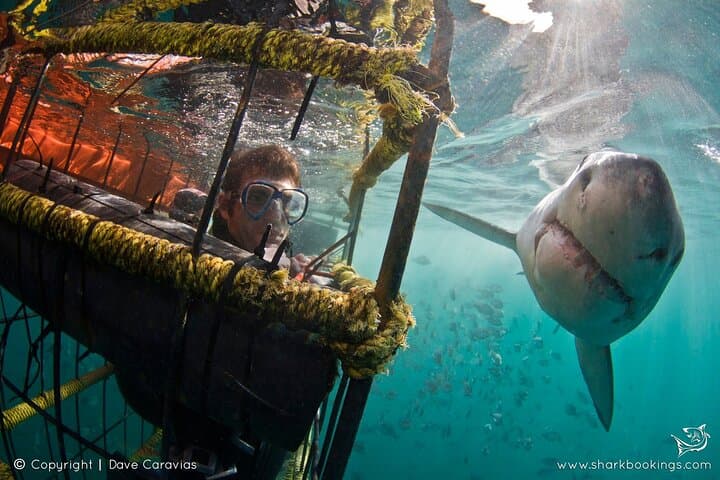
Practically, the day starts early with a safety briefing and wetsuit fitting, then a 20-minute run to Dyer Island and variable time in the cage depending on shark activity. Expect 2–3 hours on the water at the encounter site within a 6–10 hour trip total. Seas can be choppy; seasickness is common. Wear layered, windproof clothing for the crossing, secure camera gear, and follow briefings exactly — the cage procedure is designed for minimal disturbance to animals and maximum safety for guests.
On return, hot soup and showers are typical; tip your crew if service and spotting were good. For anyone drawn to raw, open-water encounters, Kleinbaai combines accessible logistics with an intimate window into great white behavior.
easy.
6–10 hours.
Able to board a small vessel, climb a short ladder into a cage, and stand for periods; basic balance and mobility required
Typically about 15–25 minutes to Dyer Island from Kleinbaai harbour, though exact time depends on sea conditions and shark locations.
No — guests can watch from the deck, but cage access is included and subject to safety briefings and operator rules.
Sightings are very likely in this region but not guaranteed; operators spend variable time at sea depending on activity and conditions.
Cage diving is generally suitable for most people, but operators typically restrict pregnant guests and those with serious heart or mobility issues; check booking requirements.
Gansbaai grew from fishing roots; Dyer Island takes its name from early 19th-century settler Samson Dyer and later became a focal point for seal and seabird colonies.
Local operators work with researchers to tag and monitor sharks; responsible tours follow codes designed to minimize baiting impacts and disturbance to marine life.
ILIOS Travel operates guided outdoor trips and adventures with an emphasis on safety, stewardship, and memorable experiences.
The boat slips away from Kleinbaai harbour before dawn, salt-spray stinging your face while the coastline shrinks into a jagged silhouette. Offshore, Dyer Island and the narrow channel known as Shark Alley set the stage: cold, nutrient-rich currents lure bands of Cape fur seals, and where seals go, great whites follow. From the deck you feel the sea’s weight and the sudden electricity when a dorsal fin breaches — the ocean daring you to look closer.
The boat slips away from Kleinbaai harbour before dawn, salt-spray stinging your face while the coastline shrinks into a jagged silhouette. Offshore, Dyer Island and the narrow channel known as Shark Alley set the stage: cold, nutrient-rich currents lure bands of Cape fur seals, and where seals go, great whites follow. From the deck you feel the sea’s weight and the sudden electricity when a dorsal fin breaches — the ocean daring you to look closer.
Human history here blends maritime hunting, small-scale fishing towns like Gansbaai, and modern marine science. Dyer Island, named after 19th-century settler Samson Dyer, and surrounding granite shoals are product of ancient tectonics and coastal erosion; the Benguela upwelling sustains the dense food web that supports apex predators. Locals balance tourism, fisheries and research; many operators work with marine biologists to monitor sharks and seals.
Practically, the day starts early with a safety briefing and wetsuit fitting, then a 20-minute run to Dyer Island and variable time in the cage depending on shark activity. Expect 2–3 hours on the water at the encounter site within a 6–10 hour trip total. Seas can be choppy; seasickness is common. Wear layered, windproof clothing for the crossing, secure camera gear, and follow briefings exactly — the cage procedure is designed for minimal disturbance to animals and maximum safety for guests.
On return, hot soup and showers are typical; tip your crew if service and spotting were good. For anyone drawn to raw, open-water encounters, Kleinbaai combines accessible logistics with an intimate window into great white behavior.