THE ADVENTURE COLLECTIVE® · Independent discovery and booking for outdoor travel

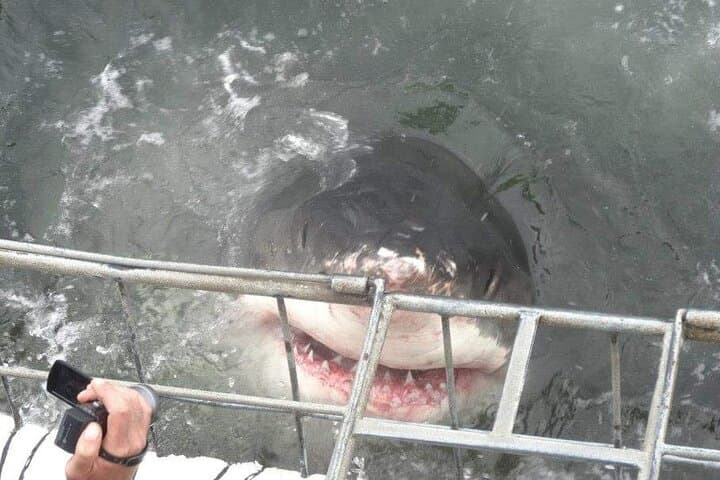
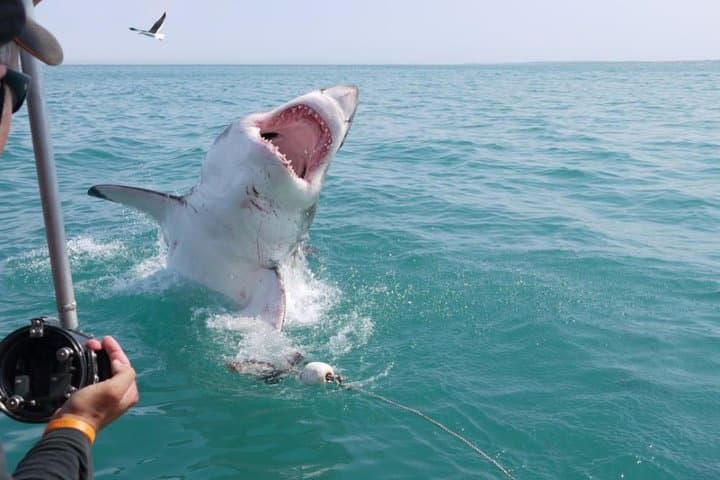
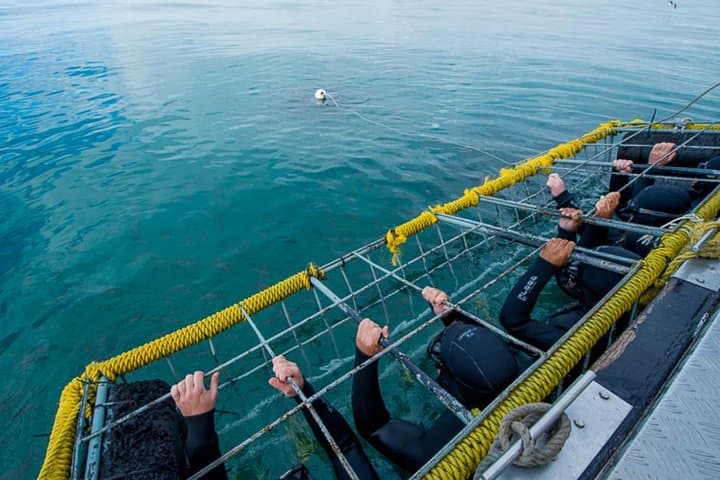
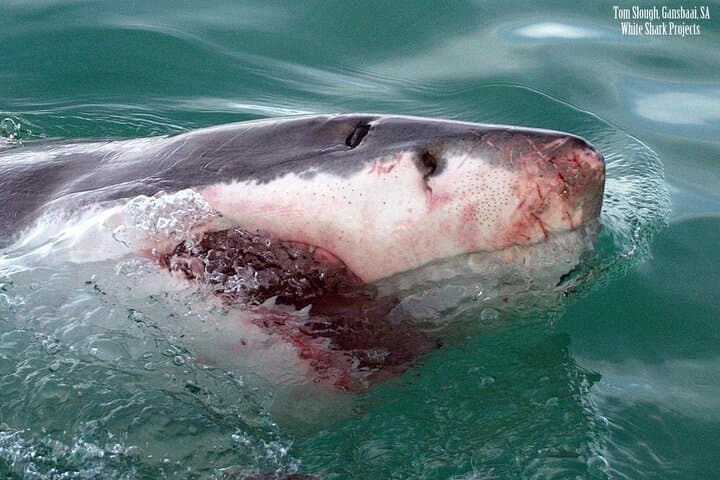
Board in Kleinbaai and drop into cold, nutrient-rich water to watch great white sharks inspect a secured cage. This five-hour outing blends adrenaline with education and supports local shark research.
Board in Kleinbaai and drop into cold, nutrient-rich water to watch great white sharks inspect a secured cage. This five-hour outing blends adrenaline with education and supports local shark research.
A low sun cuts silver across the channel as the harbor at Kleinbaai wakes; gulls argue overhead and the boat’s engine rumbles loose knots in the air. Within an hour you’re past the shallows and the water opens—cold, blue, and restless—toward Dyer Island and the seal colonies that draw the region’s famous residents: great white sharks. The cage drops and the sea takes over the narrative—the cold press of water at the mask, the approaching shadow, the measured calm of the crew.
Verified experiences and guided adventures in the surrounding area.
Operated by Go That Way · Kleinbaai, Western Cape
A low sun cuts silver across the channel as the harbor at Kleinbaai wakes; gulls argue overhead and the boat’s engine rumbles loose knots in the air. Within an hour you’re past the shallows and the water opens—cold, blue, and restless—toward Dyer Island and the seal colonies that draw the region’s famous residents: great white sharks. The cage drops and the sea takes over the narrative—the cold press of water at the mask, the approaching shadow, the measured calm of the crew.
This stretch of the Western Cape sits where the Benguela Current brings nutrient-rich waters up from the south, supporting dense food webs and a history of sealing and small-scale fishing. Kleinbaai and nearby Gansbaai evolved as working harbors; today they balance tourism with ongoing shark research and conservation efforts that grew after mid-20th-century declines triggered protective measures and scientific attention.
Expect a purposeful, safety-first operation: pre-briefing, provided wetsuits and life jackets, and a mix of waiting and intense moments on the surface. The experience lasts about five hours including transfers; sea conditions and wildlife behavior determine how many close passes you’ll see. Practical prep matters—warm layers for post-dive, motion-sickness meds if you’re prone, a waterproof camera if you want surface shots only. Operators often include snacks and bottled water; bring sturdy shoes for boarding, and plan to drive from Cape Town (roughly a two-hour coastal route) or overnight in Gansbaai.
For photographers and naturalists the payoff is clear: an ethically run cage dive offers a controlled, educational encounter with one of the ocean’s most powerful predators while supporting local research and stewardship.
moderate.
5 hours (fixed).
Moderate fitness for transferring on/off the boat and standing during briefings; basic swimming confidence recommended.
Driving time is about 2 hours along the coastal route; operators sometimes offer transfers—confirm pickup details at booking.
Operators use scientifically informed chumming and experienced skippers to increase encounters, but sightings depend on animal behavior—no operator can guarantee a close pass.
Infants must sit on laps and specialized seats may be available; pregnant travelers and those with heart conditions are generally advised not to participate—check the operator’s medical guidelines.
Operators typically supply wetsuits, life jackets, and snacks; bring a change of clothes, sea-sickness meds if needed, and a waterproof camera case.
The Dyer Island–Seal Island corridor has long been a focal point for sealing, fishing and, more recently, scientific study of apex predator populations.
Operators in the region often support tagging and research; follow no-touch and no-feeding rules—responsible tourism helps fund local conservation and reduces disturbance.
Go That Way operates guided outdoor trips and adventures with an emphasis on safety, stewardship, and memorable experiences.
A low sun cuts silver across the channel as the harbor at Kleinbaai wakes; gulls argue overhead and the boat’s engine rumbles loose knots in the air. Within an hour you’re past the shallows and the water opens—cold, blue, and restless—toward Dyer Island and the seal colonies that draw the region’s famous residents: great white sharks. The cage drops and the sea takes over the narrative—the cold press of water at the mask, the approaching shadow, the measured calm of the crew.
A low sun cuts silver across the channel as the harbor at Kleinbaai wakes; gulls argue overhead and the boat’s engine rumbles loose knots in the air. Within an hour you’re past the shallows and the water opens—cold, blue, and restless—toward Dyer Island and the seal colonies that draw the region’s famous residents: great white sharks. The cage drops and the sea takes over the narrative—the cold press of water at the mask, the approaching shadow, the measured calm of the crew.
This stretch of the Western Cape sits where the Benguela Current brings nutrient-rich waters up from the south, supporting dense food webs and a history of sealing and small-scale fishing. Kleinbaai and nearby Gansbaai evolved as working harbors; today they balance tourism with ongoing shark research and conservation efforts that grew after mid-20th-century declines triggered protective measures and scientific attention.
Expect a purposeful, safety-first operation: pre-briefing, provided wetsuits and life jackets, and a mix of waiting and intense moments on the surface. The experience lasts about five hours including transfers; sea conditions and wildlife behavior determine how many close passes you’ll see. Practical prep matters—warm layers for post-dive, motion-sickness meds if you’re prone, a waterproof camera if you want surface shots only. Operators often include snacks and bottled water; bring sturdy shoes for boarding, and plan to drive from Cape Town (roughly a two-hour coastal route) or overnight in Gansbaai.
For photographers and naturalists the payoff is clear: an ethically run cage dive offers a controlled, educational encounter with one of the ocean’s most powerful predators while supporting local research and stewardship.