THE ADVENTURE COLLECTIVE® · Independent discovery and booking for outdoor travel

Board Slashfin at Kleinbaai and head into Shark Alley for a marine-biologist-led cage dive with Marine Dynamics. Expect a 3‑hour, research-driven trip where Bronze Whalers and an array of seabirds and mammals may appear.
Board Slashfin at Kleinbaai and head into Shark Alley for a marine-biologist-led cage dive with Marine Dynamics. Expect a 3‑hour, research-driven trip where Bronze Whalers and an array of seabirds and mammals may appear.
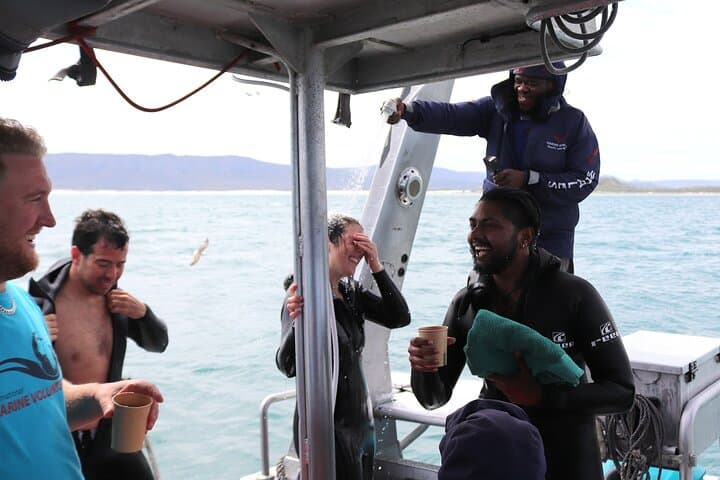
You step aboard Slashfin at Kleinbaai as the harbor slips behind you and the Atlantic opens — salt-laced wind, gulls circling, and the slow, insistent pulse of the engines pushing toward Shark Alley. The sea seems to tug at the hull, currents nudging the boat toward a place where seals gather and predators patrol.
Verified experiences and guided adventures in the surrounding area.
Operated by Marine Dynamics Shark Tours · Gansbaai, Western Cape
You step aboard Slashfin at Kleinbaai as the harbor slips behind you and the Atlantic opens — salt-laced wind, gulls circling, and the slow, insistent pulse of the engines pushing toward Shark Alley. The sea seems to tug at the hull, currents nudging the boat toward a place where seals gather and predators patrol.
This stretch of water off Gansbaai is shaped by the cold Benguela upwelling and a coastline of quartzite reefs and kelp beds that concentrate fish and marine mammals. Dyer Island and nearby shoals have long attracted fishermen and, more recently, marine biologists cataloguing shark movements; Marine Dynamics works with the Dyer Island Conservation Trust on tagging and identification programs that inform regional protection efforts.
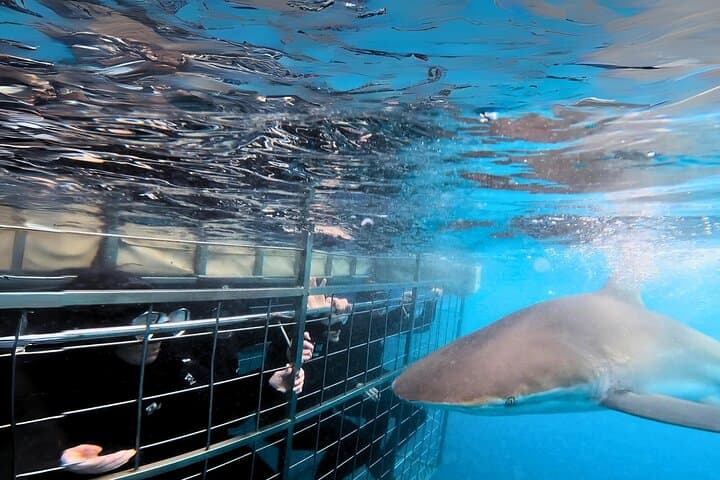
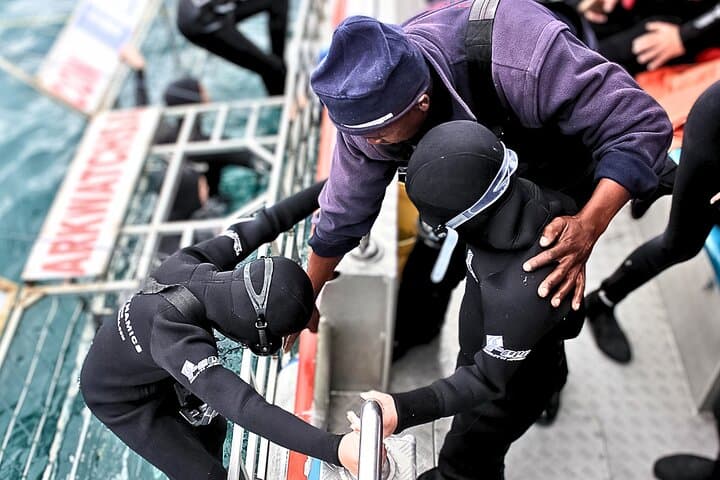
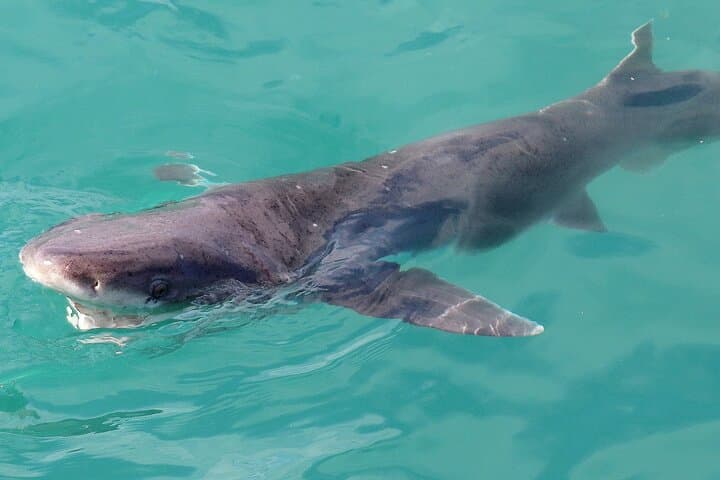
On this three-hour trip, expect a science-led briefing from an onboard marine biologist, breakfast or lunch, wetsuits and towels, and a close-but-controlled encounter from within a steel cage. Bronze Whaler sharks are commonly recorded; great white sightings have declined but research continues. Beyond sharks you may spot Cape fur seals, dolphins, whales and African penguins — the ocean’s cast of characters.
Practicalities matter: seas can be rough so pack motion-sickness remedies, a warm windbreaker and a waterproof camera housing. Tours depart around 9 a.m. and run subject to weather; a compulsory conservation fee applies. The operator offers vouchers if no shark activity is encountered, and the boat and quay are wheelchair-accessible. For travellers based in Cape Town, plan for a scenic three-hour drive; overnight in Gansbaai for an earlier start. The experience balances adrenaline with education — you leave with photos, questions and a clearer sense of why this coastline matters.
easy.
3 hours.
Minimal fitness required—able to climb boat ladders and stand for brief periods; suitable for most people.
No — sharks are wild and sightings cannot be guaranteed; if no significant shark activity occurs the operator typically issues a voucher for a future trip.
Yes — boats use steel cages and trained crew follow strict safety procedures, and a marine biologist provides guidance throughout.
Children are allowed but infants must sit on an adult’s lap; check age policies with the operator when booking.
Take motion-sickness medication before boarding, stay on deck in fresh air, focus on the horizon, and eat lightly before the trip.
Gansbaai’s coastline has long been shaped by fishing and sealing; in recent decades it has become a hub for marine research centered on Dyer Island and the surrounding shoals.
Operators contribute to tagging and fin-identification studies with the Dyer Island Conservation Trust; visitors support local conservation via a compulsory fee that funds research and protection.
Marine Dynamics Shark Tours operates guided outdoor trips and adventures with an emphasis on safety, stewardship, and memorable experiences.
You step aboard Slashfin at Kleinbaai as the harbor slips behind you and the Atlantic opens — salt-laced wind, gulls circling, and the slow, insistent pulse of the engines pushing toward Shark Alley. The sea seems to tug at the hull, currents nudging the boat toward a place where seals gather and predators patrol.
You step aboard Slashfin at Kleinbaai as the harbor slips behind you and the Atlantic opens — salt-laced wind, gulls circling, and the slow, insistent pulse of the engines pushing toward Shark Alley. The sea seems to tug at the hull, currents nudging the boat toward a place where seals gather and predators patrol.
This stretch of water off Gansbaai is shaped by the cold Benguela upwelling and a coastline of quartzite reefs and kelp beds that concentrate fish and marine mammals. Dyer Island and nearby shoals have long attracted fishermen and, more recently, marine biologists cataloguing shark movements; Marine Dynamics works with the Dyer Island Conservation Trust on tagging and identification programs that inform regional protection efforts.
On this three-hour trip, expect a science-led briefing from an onboard marine biologist, breakfast or lunch, wetsuits and towels, and a close-but-controlled encounter from within a steel cage. Bronze Whaler sharks are commonly recorded; great white sightings have declined but research continues. Beyond sharks you may spot Cape fur seals, dolphins, whales and African penguins — the ocean’s cast of characters.
Practicalities matter: seas can be rough so pack motion-sickness remedies, a warm windbreaker and a waterproof camera housing. Tours depart around 9 a.m. and run subject to weather; a compulsory conservation fee applies. The operator offers vouchers if no shark activity is encountered, and the boat and quay are wheelchair-accessible. For travellers based in Cape Town, plan for a scenic three-hour drive; overnight in Gansbaai for an earlier start. The experience balances adrenaline with education — you leave with photos, questions and a clearer sense of why this coastline matters.